1) How to reduce dust absorption in polar fleece?
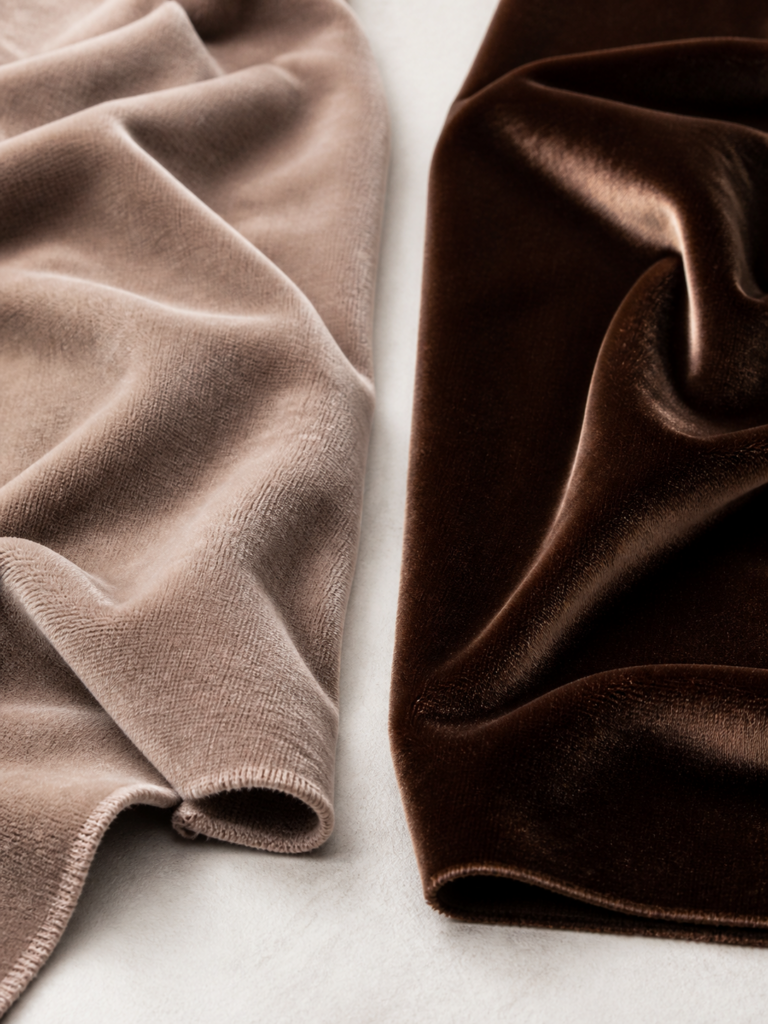
Polar fleece absorbs dust because its fibers have static electricity, which has an adsorption effect, which brings dust to fabrics or clothes. However, antistatic auxiliaries can now be added or fibers with good moisture absorption can be introduced to reduce static electricity.
After buying it, consumers find that polar fleece is prone to static electricity and can be improved by adding clothes softeners. It contains cationic surfactants that can neutralize the static electricity on fleece fibers.
2) How to identify the quality of polar fleece?
Most of the long-fiber polar fleece is used to make blankets, and the price of short-fiber polar fleece is slightly higher than that of long-fiber polar fleece.
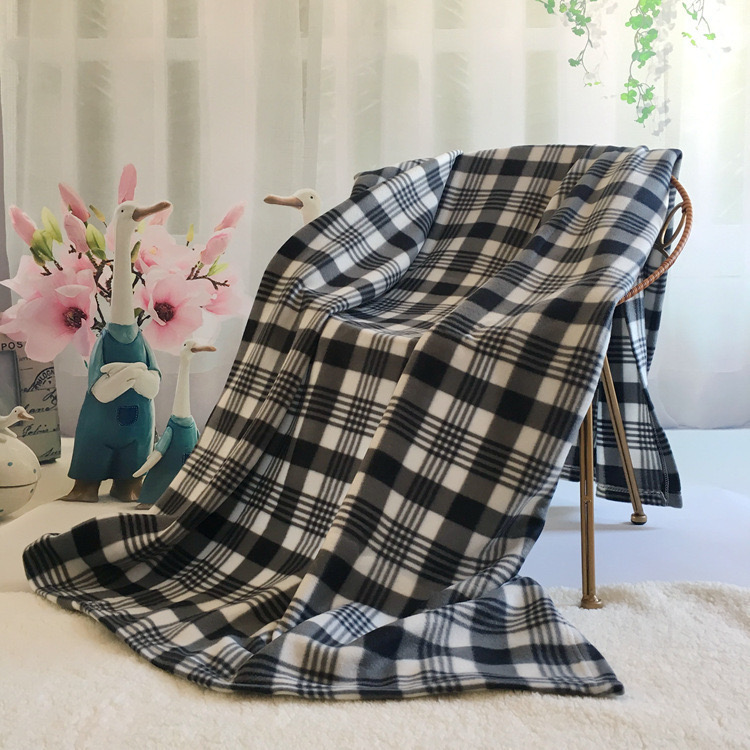
Staple fiber polar fleece is generally woven from 32S polyester yarn, among which hemp gray polar fleece also belongs to staple fiber fleece.
Long fiber polar fleece is generally woven from the polyester filament, which can be made of all polyester 150D/96F, 150D/48F, 150D/144F, 150D/288F, 75D/72F, 75D/144F, 100D/144F, 100D/288F, etc. Long fiber fleece can be divided into low elastic silk fleece (DTY) and shining silk (FDY).
Under normal circumstances, the higher the F value, the better the fabric feels, and the higher the price of polar fleece. For example, 100D144F, 150D144F, and other polar fleece are already micro polar fleece.
3) Is there any pure cotton for polar fleece? Is it okay to make blankets with pure cotton?
Cotton polar fleece is available in China, but it is rare and technically difficult to check, especially when pilling.
4) What is the difference between bonded polar fleece and double-sided polar fleece?
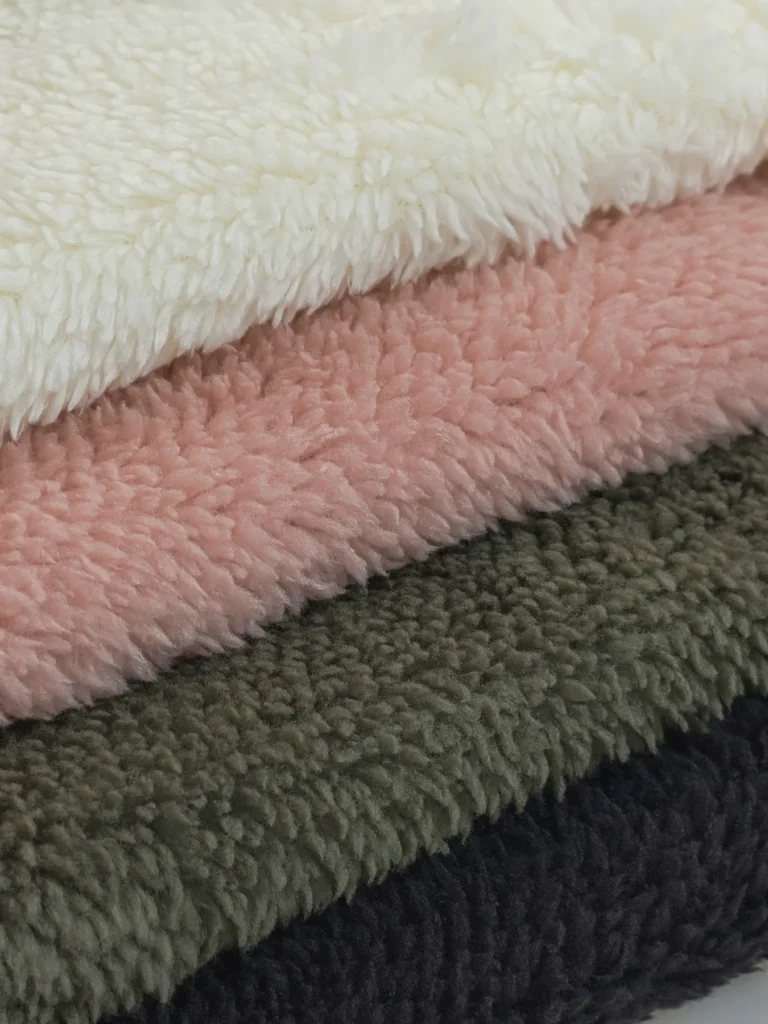
Bonded polar fleece is processed by a bonded machine with two kinds of the same or different velvet.

Double-sided polar fleece is made of double-sided pilling way.
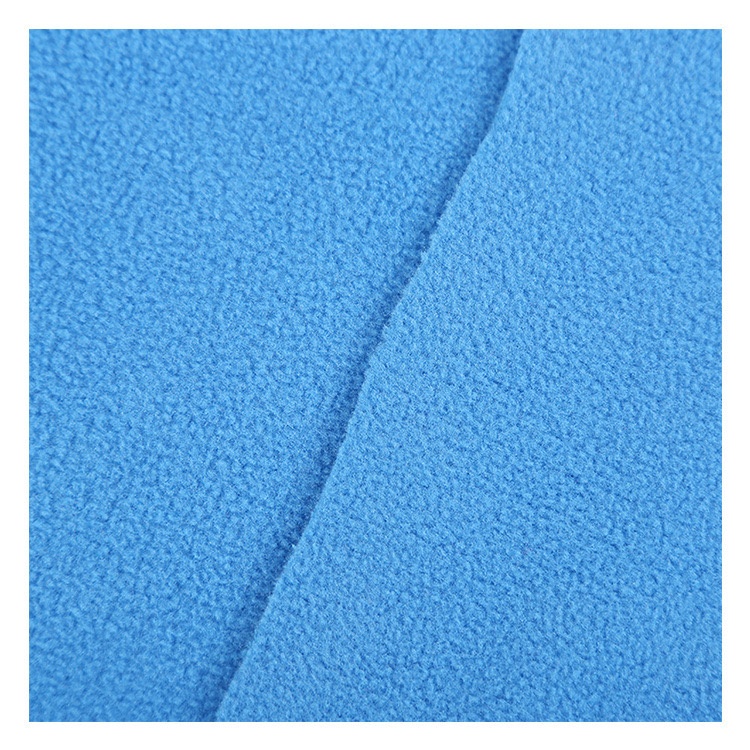
Generally speaking, bonded polar fleece has wider application scenarios and higher prices. Some guests need two kinds of fleece of the same quality to be sewn together. There is no need to be bonded, but it is not very convenient to wash.
How to use this polar fleece FAQ
Use this guide as a starting point before requesting samples. The right polar fleece depends on garment use, target warmth, price level, finishing, color and order volume. A light fleece for active layers will not be built the same way as a heavier fleece for hoodies or winter apparel.
Before quoting, prepare your target composition, GSM, width, color, destination market and any required certification documents. With these details, WellDoneTex can recommend a more accurate sample direction and production route.
Related pages: Request Fabric Sample and Our Fabrics.