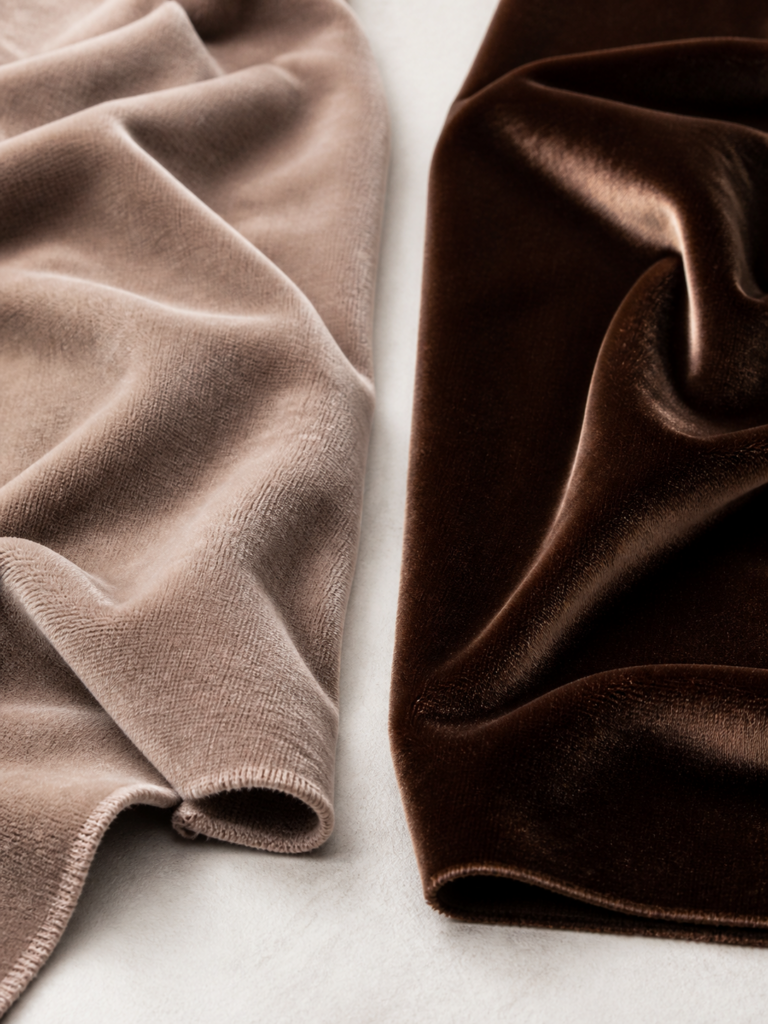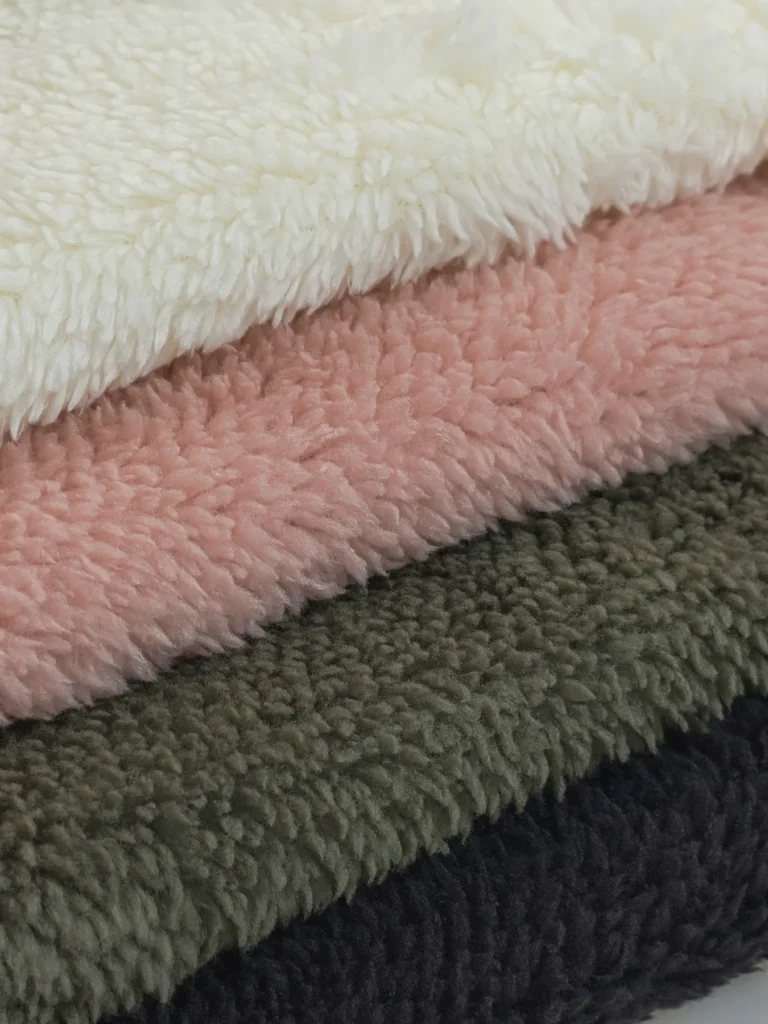
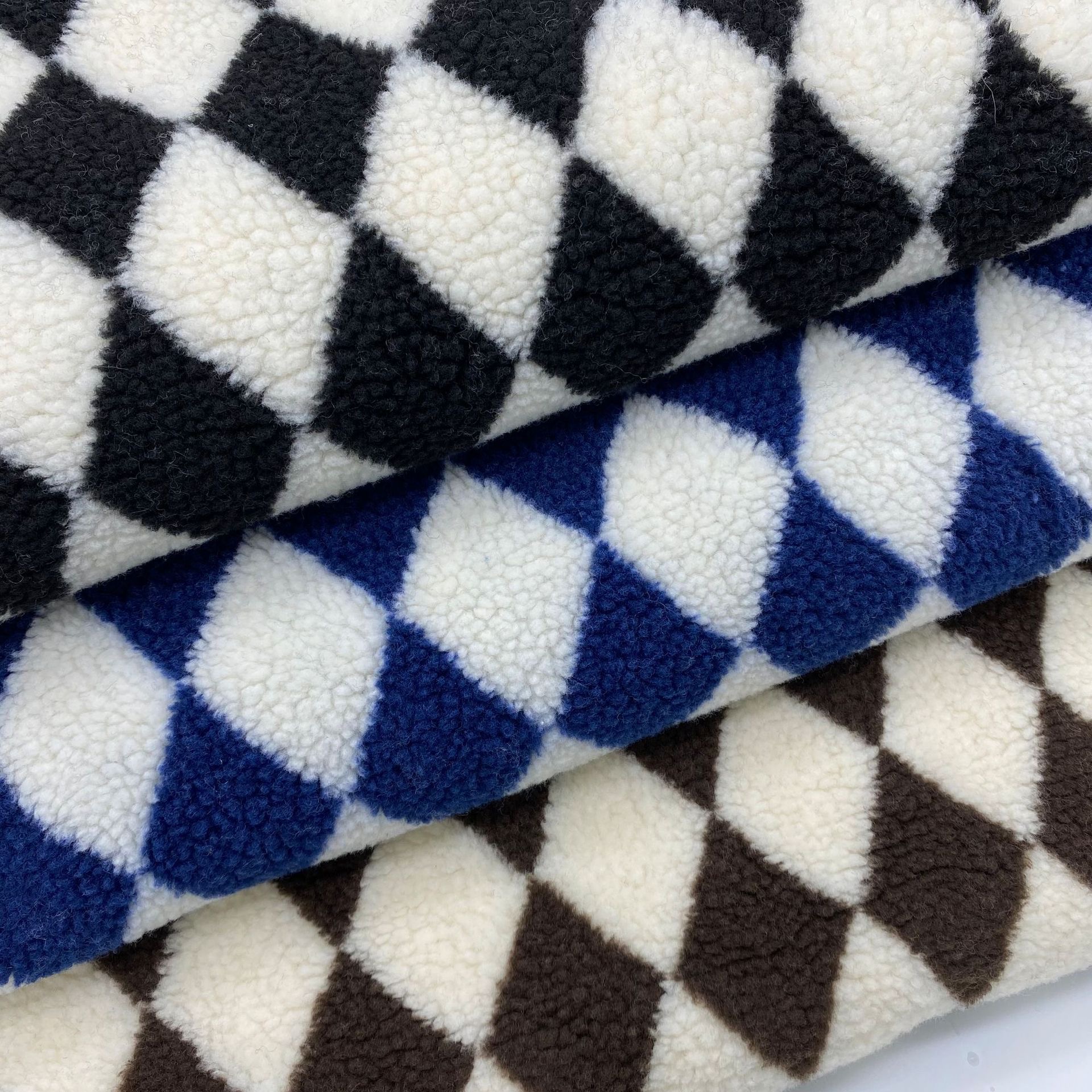
The principle of fleece is to rub polyester material to produce fleece. Due to static electricity, it is bent and wound to form a ball. The polyester fiber itself is relatively strong and the fiber is not easy to break, so the formed ball does not fall off on the fabric’s surface, and many balls form a unique style of fleece. Because many fibers are intertwined, it locks up a lot of air in the middle and slows down the convection with the outside air. It is an ideal thermal fabric.
The process flow is as follows:
Adjusting Machine → Weaving Fabric → Oil Removal And Dyeing → Add Fleece Lifting Agent → Dehydration → Drying → Bristle → Combing → Shearing → Pilling On → Heat Setting → Rolling → Packing
Polar fleece’s most important production process is brushing, combing, shearing, and pilling on.
Bristles are to break out the single fibers of polyester yarn (silk) to form a thick layer of fluff on the cloth surface.
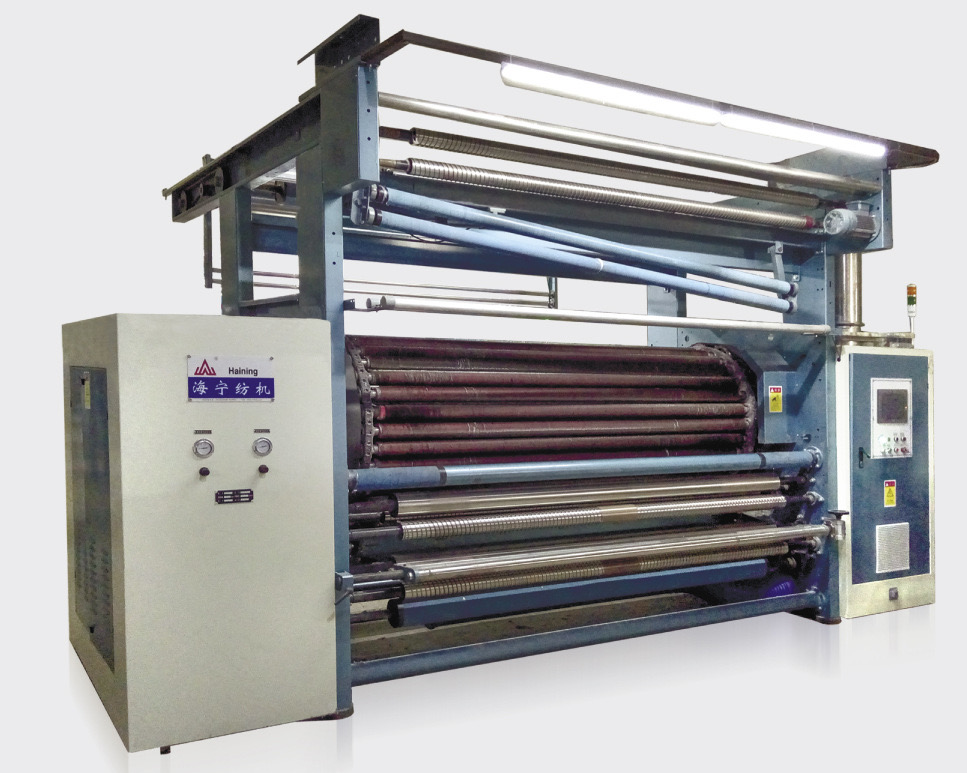
Combing is to comb the fluff upright on the fabric.

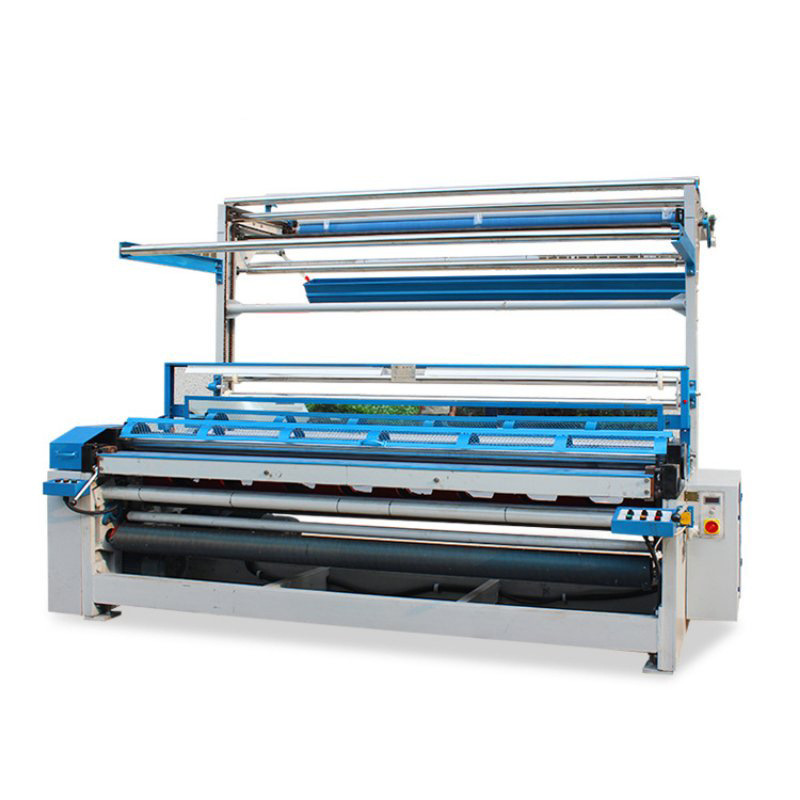
Shearing is to form the style of the fabric according to the final product, including the size of the grain, and the thickness of the fabric, cutting the fluff of different lengths, and cutting off the excess fluff to get the desired height.
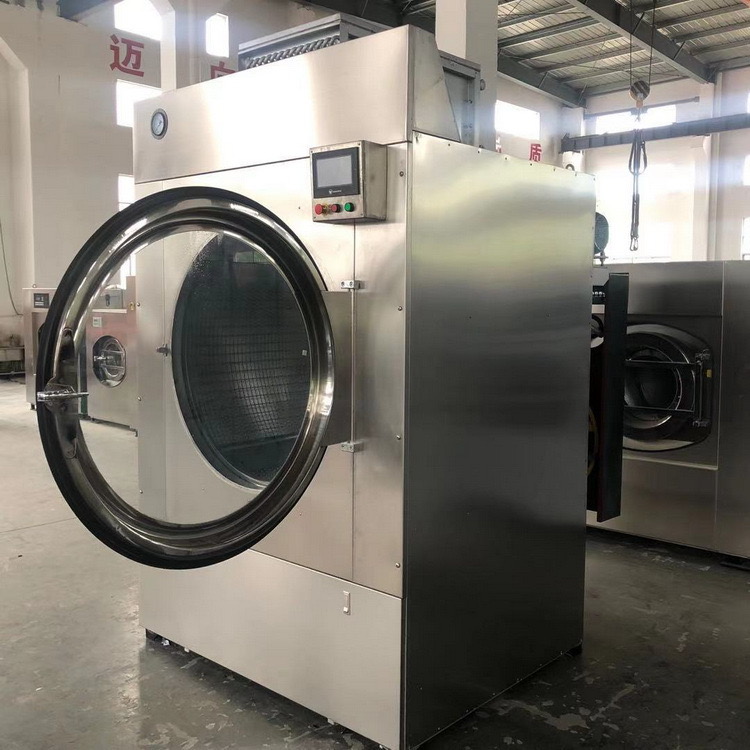
According to the style of the fabric, it is set to add steam to the cylinder and the time to pill on, so that the fluff layer of the fabric shrinks, winds, and granulates at high temperatures in the cylinder.
Why production process matters to buyers
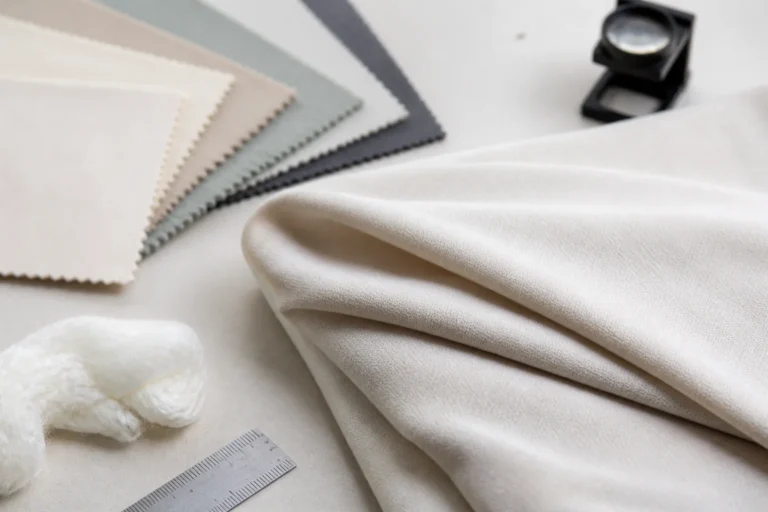
Polar fleece may look simple, but the final quality depends on process control. Knitting affects structure and width stability. Dyeing affects shade and color fastness. Brushing and shearing affect the surface, warmth and pilling result. Finishing and inspection help make sure the approved sample and bulk fabric remain aligned.
For bulk orders, buyers should confirm quality standards before production, not after shipment. Important checkpoints include GSM tolerance, shade band, shrinkage, pilling grade, handfeel and packing condition.
Related pages: Tech & Quality and Thermal Fabric Series.