Introduction to Polar Fleece
Polar fleece is a household name for staying warm and cozy, whether out on an adventure or snuggling up at home. Since its introduction, this versatile material has seen a meteoric rise in popularity, becoming a staple in outdoor gear, activewear, and home textiles. But what exactly is polar fleece, and what makes it so unique? Let’s dive into the fabric revolutionizing our thoughts about warmth and comfort.
What is Polar Fleece?
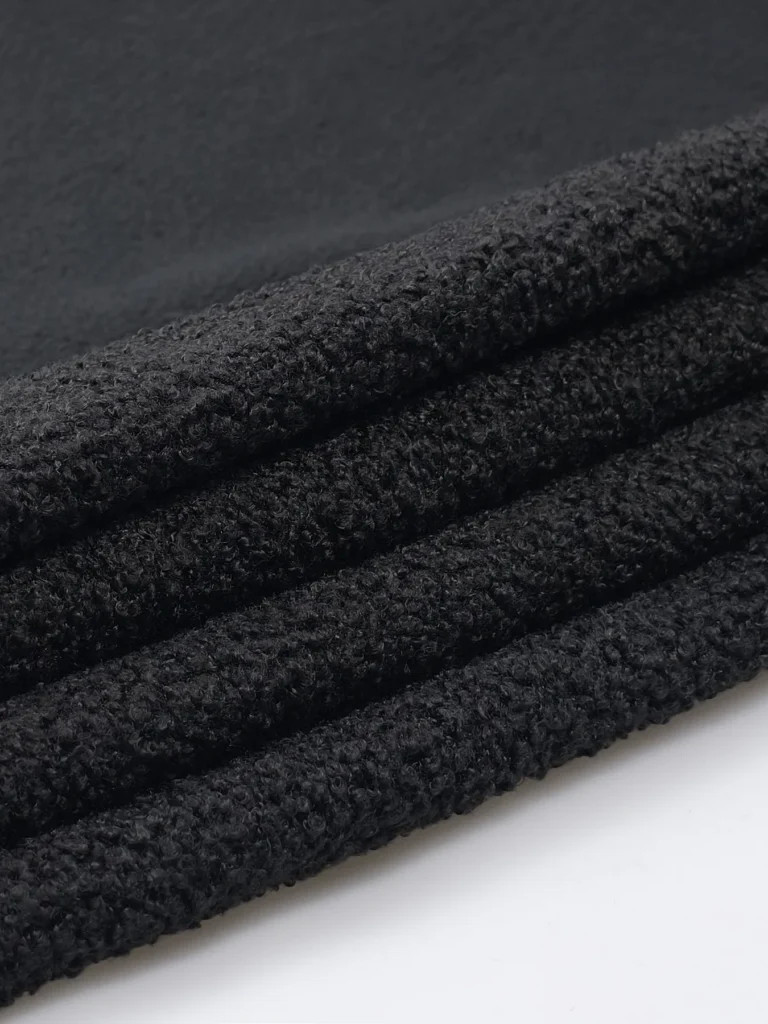
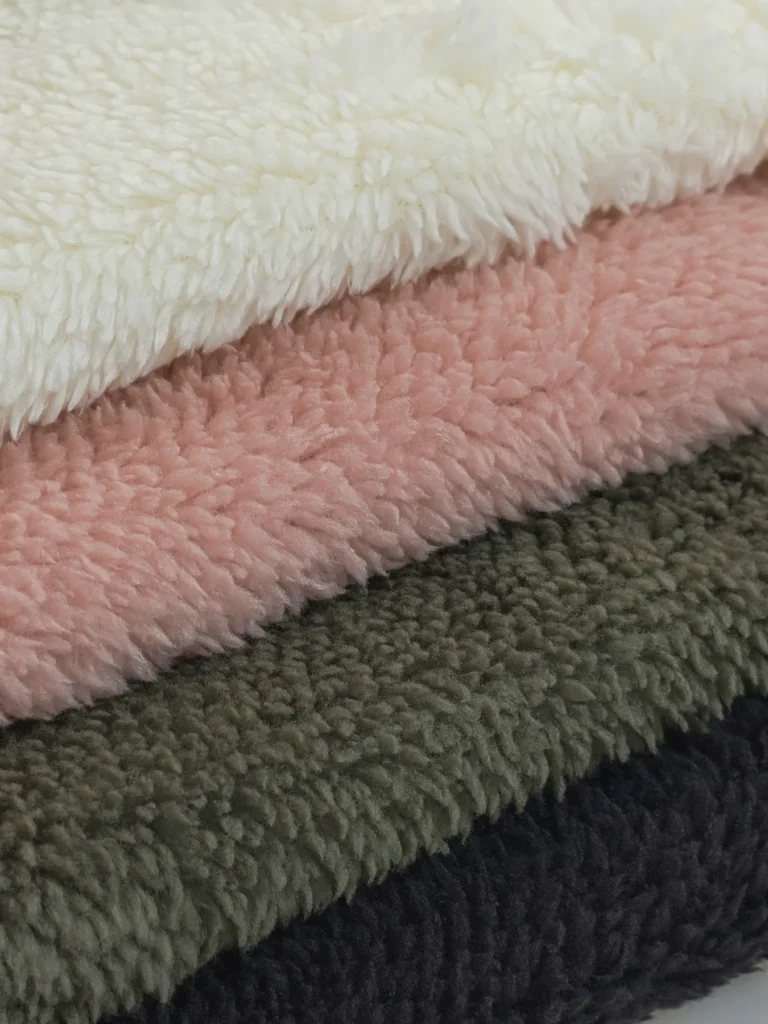
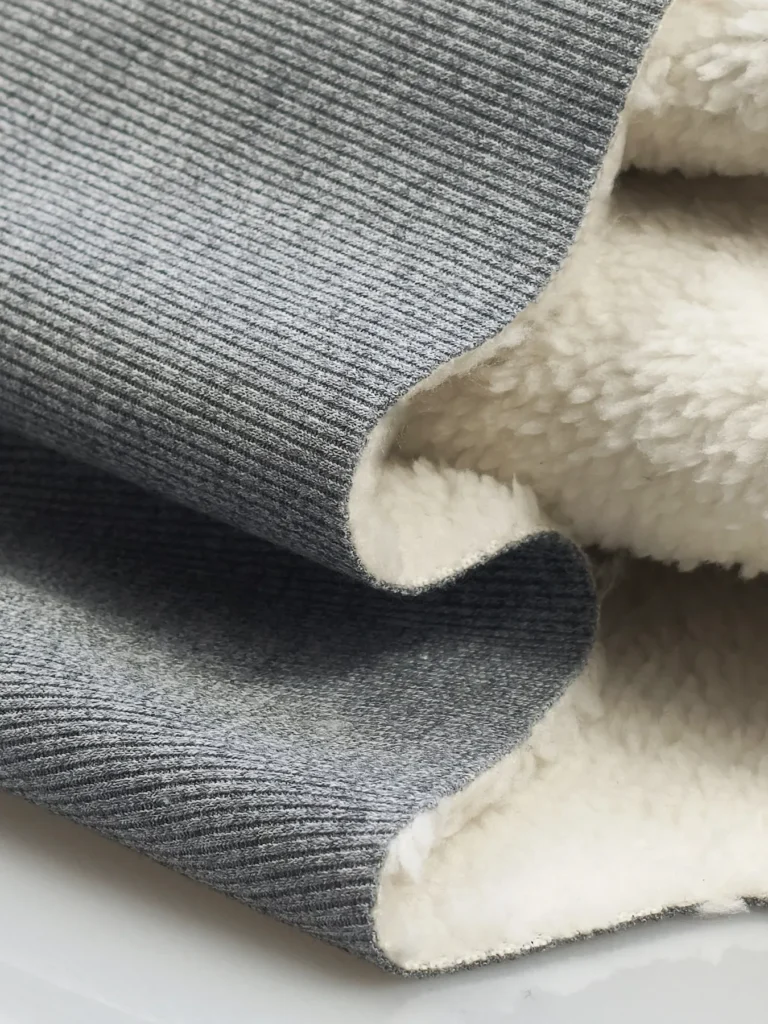
Polar fleece is a synthetic fabric primarily made from polyester. It’s part of the more prominent family of fleece fabrics known for their insulating properties and soft, fluffy texture. Unlike traditional wool, polar fleece is lightweight, quick-drying, and doesn’t itch, making it a popular alternative for cold-weather gear. Its unique ability to keep you warm without adding bulk has made it a go-to material for everything from jackets to blankets.
Material Composition
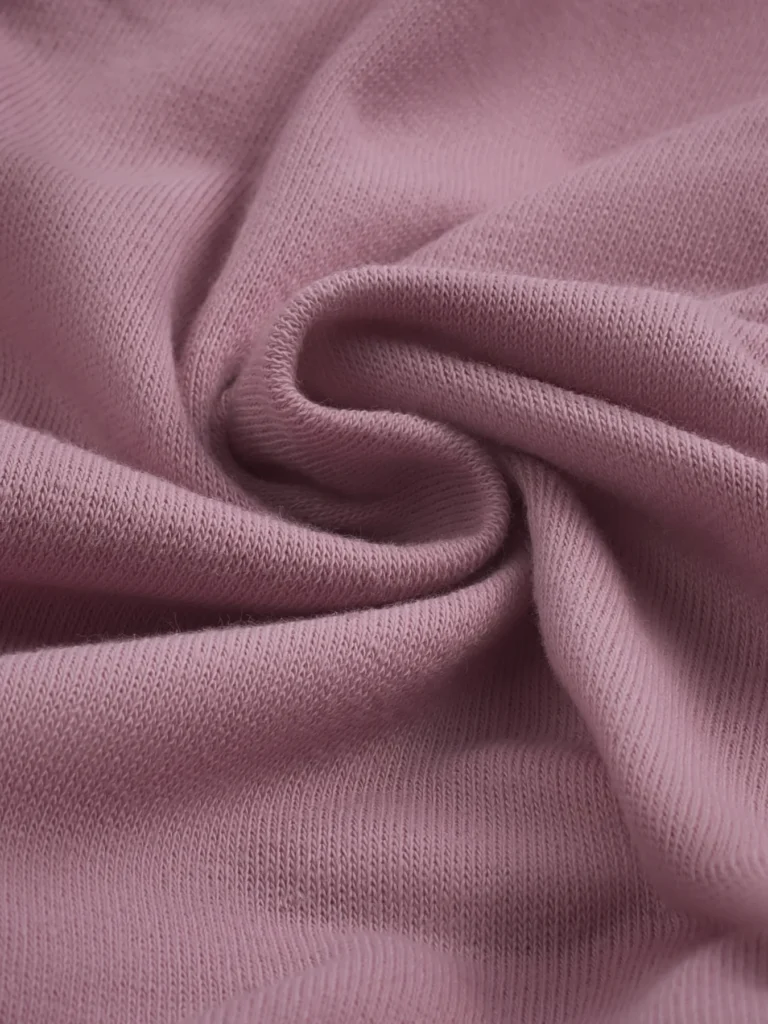
At its core, polar fleece is made from polyester, a synthetic fiber derived from petroleum. This polyester is spun into thin threads woven into a knit fabric base. The knit structure gives polar fleece flexibility and slight stretch, making it comfortable to wear and easy to layer.
The Manufacturing Process
Creating polar fleece involves several key steps:
- Knit Fabric Base: The process begins with knitting the polyester yarn into a fabric base. This step is crucial for giving the material its initial structure and stretch.
- Brushing and Raising: Once the knit fabric is complete, it undergoes a brushing process that raises the fibers on both sides, creating the soft, fuzzy texture that polar fleece is known for. This brushing also enhances the fabric’s ability to trap heat and wick moisture away from the body.
- Anti-Pilling Treatments: One recent advancement in polar fleece production is the introduction of anti-pilling technology. This treatment helps prevent the fabric from developing annoying little balls of fiber that can make it look worn out over time.
Key Features of Polar Fleece
Polar fleece is packed with features that make it a favorite for cold weather:
- Warmth and Insulation: The fabric is designed to trap heat close to the body, providing excellent insulation without the bulk.
- Lightweight and Breathable: Despite its warmth, polar fleece is surprisingly lightweight, making it easy to wear for extended periods. Its breathability ensures you stay comfortable even during physical activities.
- Moisture-Wicking Properties: Polar fleece also wicks moisture away from the body, keeping you dry and comfortable whether you’re hiking in the mountains or lounging at home.
Common Uses of Polar Fleece
Polar fleece’s versatility means it’s used in a wide range of products:
- Outdoor Clothing and Gear: Jackets, vests, and pants made from polar fleece are staples in outdoor apparel, providing warmth without restricting movement.
- Activewear and Sportswear: Polar fleece’s moisture-wicking properties make it a popular choice for base layers, hoodies, and athletic wear.
- Home Textiles: Polar fleece is commonly used in blankets, throws, and pet beds, adding a cozy touch to any home.
- Accessories: From hats to scarves, polar fleece accessories are lightweight, warm, and easy to carry.
Advantages of Polar Fleece
Polar fleece has many benefits, including:
- Durability and Longevity: Polar fleece products are built to last thanks to their synthetic composition and anti-pilling treatments.
- Ease of Care: Polar fleece is machine washable and dries quickly, making it easy to maintain.
- Affordability: Polar fleece is more affordable and widely available than natural fabrics like wool.
Disadvantages of Polar Fleece
While polar fleece is an excellent material, it’s not without its drawbacks:
- Environmental Concerns: Being a synthetic material, polar fleece contributes to microplastic pollution and is not biodegradable.
- Breathability Issues: In warmer weather, polar fleece can sometimes feel too warm, trapping heat and moisture.
- Static and Pet Hair Attraction: Polar fleece attracts static electricity and pet hair, which can bother some users.
Recent Developments in Polar Fleece
In recent years, polar fleece has seen several key improvements:
- Recycled Polyester: More manufacturers are now using recycled polyester to produce polar fleece, reducing its environmental impact.
- Advanced Anti-Pilling Technology: New anti-pilling treatments have been developed, further extending the life of polar fleece products.
- Enhanced Moisture-Wicking: Innovations in fabric technology have improved polar fleece’s ability to wick moisture, making it even better for activewear and outdoor use.
Comparing Polar Fleece with Other Fabrics
When choosing between polar fleece and other fabrics, it’s essential to understand the differences:
- Polar Fleece vs. Wool: While both provide excellent warmth, polar fleece is lighter, quicker to dry, and doesn’t itch like wool can.
- Polar Fleece vs. Other Synthetic Fleeces: Polar fleece is generally more durable and has better moisture-wicking properties than synthetic ones.
- Anti-Pilling Fleece: One critical differentiator for high-quality polar fleece is its resistance to pilling, making it a better long-term investment.
The Environmental Impact of Polar Fleece
Despite its many benefits, polar fleece has a significant environmental footprint:
- Microplastic Pollution: Polar fleece, a polyester-based fabric, can shed microplastics into the water system when washed, contributing to environmental pollution.
- Sustainable Production: The industry is making strides towards sustainability. More polar fleece is now being produced from recycled materials, helping to reduce its impact.
Tips for Choosing Quality Polar Fleece
If you’re in the market for polar fleece products, here’s what to look for:
- Check for Anti-Pilling Treatment: This will ensure your fleece remains smooth and attractive.
- Consider Recycled Options: Opt for polar fleece made from recycled polyester to reduce your environmental footprint.
- Feel the Fabric: Quality polar fleece should feel soft and plush, not rough or thin.
Care and Maintenance of Polar Fleece
To keep your polar fleece looking its best, follow these tips:
- Washing: Wash polar fleece in cold water on a gentle cycle to preserve its softness and prevent pilling.
- Drying: Air dry or tumble dry on low heat to avoid damaging the fabric.
- Avoid High Heat: High temperatures can cause the polar fleece to shrink or lose its softness, so always use low heat settings when washing and drying.
FAQs about Polar Fleece
- How is polar fleece different from other fleece fabrics?
- Polar fleece is generally thicker, warmer, and more durable than other fleece fabrics.
- Is polar fleece environmentally friendly?
- While polar fleece has environmental drawbacks, choosing recycled options can help mitigate its impact.
- Can polar fleece be recycled?
- Yes, polar fleece can be recycled; many products are now made from recycled polyester.
- How long does polar fleece last?
- With proper care, polar fleece can last for many years, especially if it’s treated to resist pilling.
- What’s the best way to care for polar fleece?
- Wash it in cold water, avoid high heat when drying, and consider using a fabric softener to maintain its softness.
Conclusion
Polar fleece remains a top choice for those seeking warmth, comfort, and versatility in their clothing and home textiles. With its lightweight feel, excellent insulation, and recent advancements in sustainability and fabric technology, polar fleece continues to evolve, keeping its place as a favorite for outdoor enthusiasts and homebodies alike.