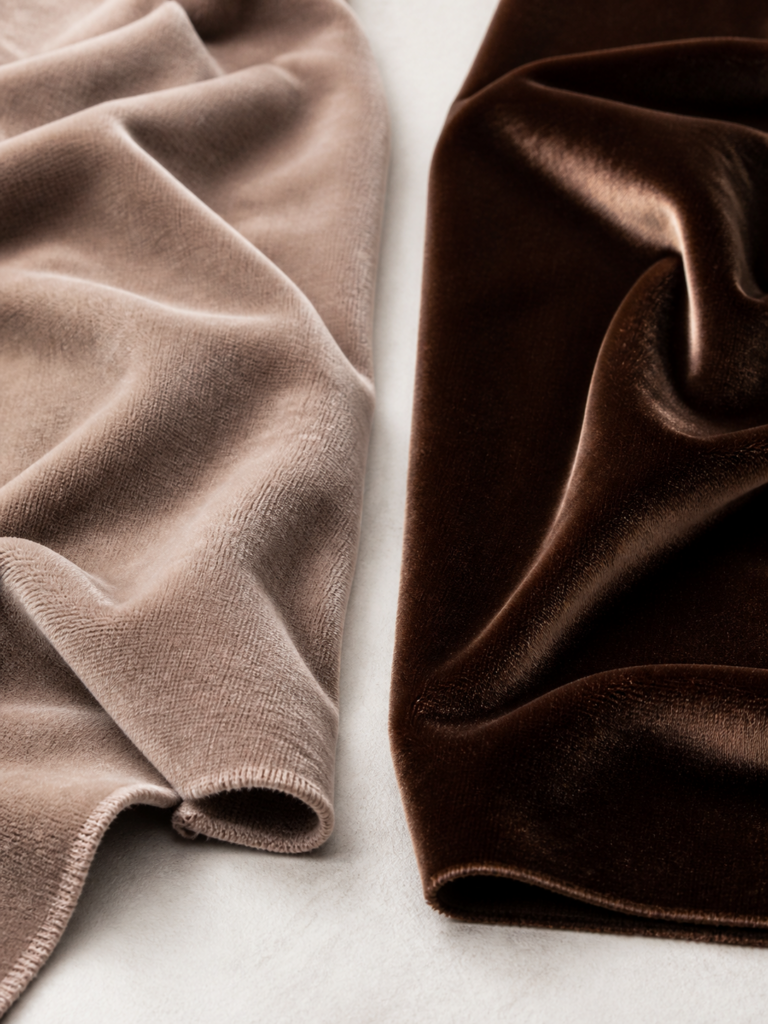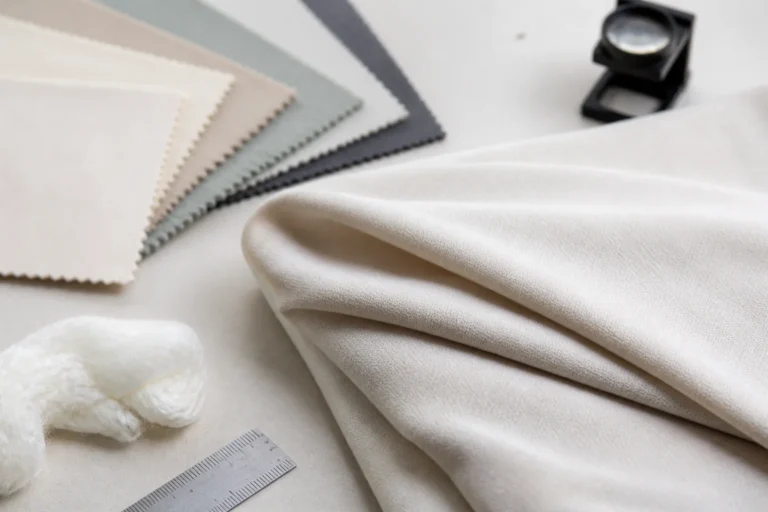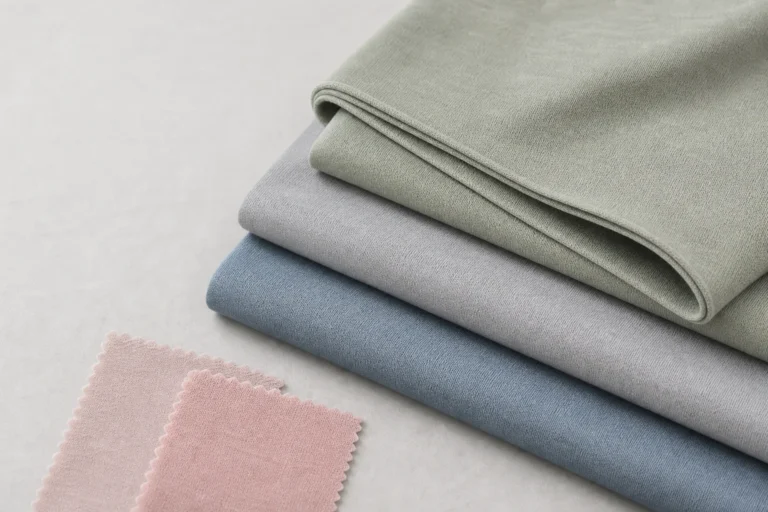
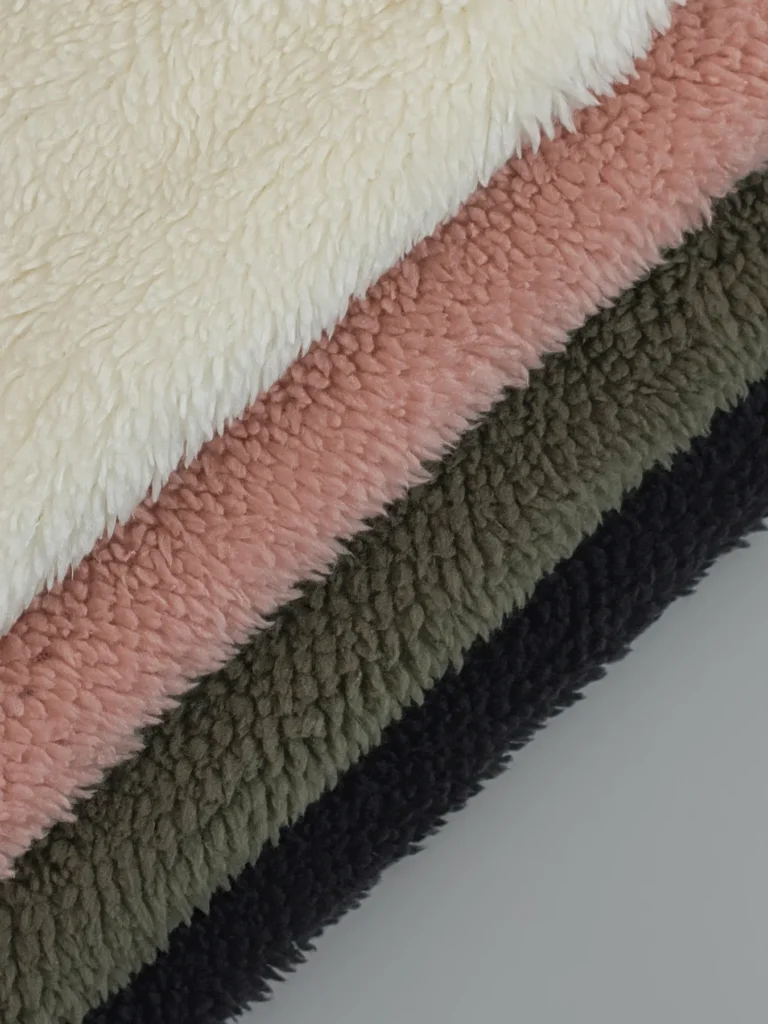
Sherpa fleece is a soft, lofty pile material or lining with a wool-like surface, but the name does not identify one fibre or one wash method. A finished sherpa jacket, hoodie, blanket or lining can combine different face fabrics, backings, trims and hardware. Read the sewn-in care label for the complete item before washing rather than treating “sherpa” as a universal care instruction.
This guide explains the visible sherpa structure, what to check on a sample and a label-first way to handle washing and drying. Exact composition, GSM, backing stability and garment construction still need to be confirmed on the product or specification sheet.
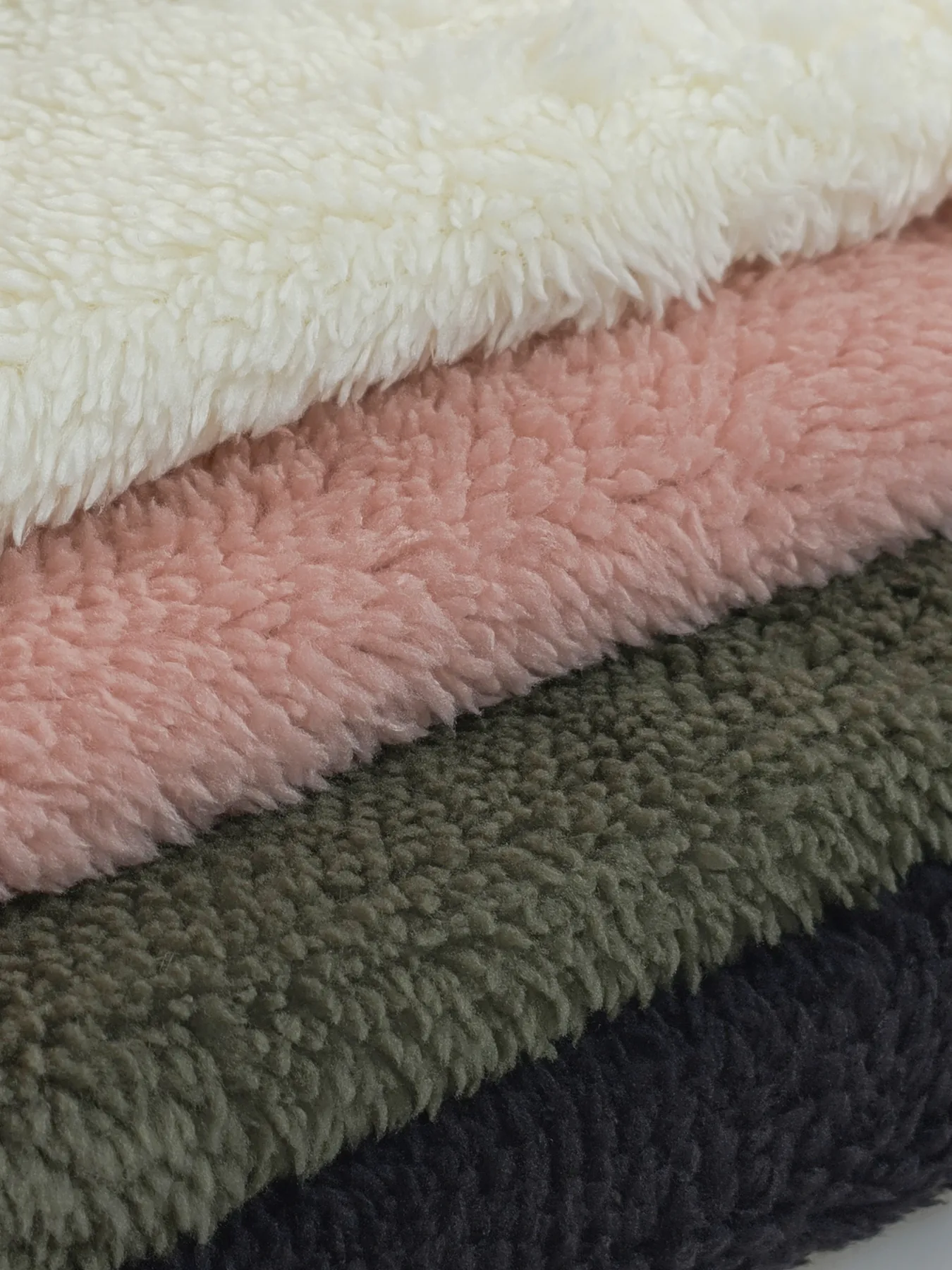
Quick answer
Sherpa fleece usually refers to a fleece direction with a lofty, wool-like face and a knit backing that is often used where warmth, softness and comfort matter. For buyers, the practical review should confirm composition, GSM, usable width, face appearance, backing stability, stretch, bulk and the end use of the garment instead of assuming every sherpa sample performs the same way.
How to wash sherpa: a label-first method
Start with the care label on the finished item. There is no single wash cycle for every sherpa product. The U.S. Federal Trade Commission says apparel care instructions need a reasonable basis and must account for the garment as a whole, including non-detachable lining, trim and other components. If a label says dry clean only, hand wash, wash separately or do not tumble dry, follow that instruction instead of the general steps below.
- Identify the product and its components. Check whether the sherpa is the main fabric, a lining or a trim, and note the shell fibre, lining fibre, closures and any coating. For unsewn fabric, obtain the supplier’s supported care route and test it on the exact submitted quality.
- Prepare only as the maker allows. Empty pockets and secure closures. Remove loose surface dirt gently. Spot-clean first only when the care label or maker permits it, and test any treatment on a hidden area.
- Use the stated wash method. Follow the label’s hand- or machine-wash instruction, water temperature, cycle, detergent guidance, bleach warning and “like colours” or “wash separately” wording. If the label is missing or unreadable, ask the manufacturer; do not assume that cold water, a gentle cycle or fabric softener is safe for every construction.
- Dry by the stated route. Follow the label for line drying, flat drying or tumble drying and its temperature. Do not substitute high heat or ironing when the label does not allow them. Make sure the item is completely dry before storing it.
- Check the result before repeating the process. After the first approved wash, inspect the pile, backing, seams, dimensions, colour and trim. For a production program, approve the finished garment after the agreed care cycles rather than relying on a loose sherpa swatch alone.
Brand instructions show why the label matters. Levi’s gives different directions for its own sherpa jackets depending on whether the outer material is denim, canvas, plaid, polyester or corduroy; even the permitted dryer setting and dry-clean route can differ. Patagonia likewise tells customers to follow the tag inside each garment and presents its broader cold-or-warm wash, mild-detergent and line-dry guidance as general advice for its own gear. These are useful product examples, not universal rules for all sherpa.
Sources: FTC Care Labeling Rule guidance; Levi’s sherpa-jacket care examples; Patagonia product-care guidance.
What buyers usually mean by sherpa fleece
When buyers search what is sherpa fleece, they are often looking for a plain-language answer before deciding whether the fabric fits hoodies, jackets, linings, loungewear or accessory programs. The useful definition is therefore functional rather than marketing-heavy. Sherpa fleece describes a soft pile direction that visually reads warmer and loftier than many flat fleece constructions, while the back side is still a knit structure that needs to be checked for stability, weight and handling.
The important point is that sherpa should not be reduced to a single look. Two sherpa samples can both feel soft and still behave differently once the program changes from a cozy outer layer to a lining or a trim panel. A buyer needs the actual sample and specification details, not only the surface name.
How sherpa differs from a broad fleece label
Broad fleece language is useful for category navigation, but it is too loose for approval. Sherpa usually signals a specific visual handfeel and pile effect, while broad fleece language can cover many different surface, weight and backing directions. That means the buyer should not compare a sherpa sample only by the label on the swatch card.
| Checkpoint | What to compare | Why it matters |
|---|---|---|
| Face feel and loft | Pile height, density, direction and visual warmth | Sherpa value usually starts with the surface effect, but that effect can vary across samples. |
| Backing and stability | Knit backing, stretch, recovery and seam handling | The backing influences how the fabric behaves during sewing, lining and wear. |
| Program use | Hoodie, jacket, lining, lounge set or accessory | The intended use changes the acceptable balance of warmth, body and bulk. |
| Specification | Composition, GSM, usable width, finish and color route | The name sherpa does not replace the need for a real sample brief. |
| Approval standard | Reference sample, seam bulk, care route and testing | A soft photo is not enough to lock bulk production expectations. |
What to check on the sample before approval
- Define the target garment. State whether the fabric is for a hoodie, jacket, lining, lounge set or accessory.
- Confirm the offered specification. Ask for composition, target GSM, usable width, color direction and finishing details on the real sample and spec sheet.
- Inspect the face and backing together. Review pile consistency, knit backing stability and whether the sample creates unwanted bulk at seams, cuffs or collars.
- Check handling behavior. Fold, compress and recover the sample to compare loft retention, surface change and easy-to-see distortion.
- Match the sample to the end use. A sherpa sample that works for a cozy jacket may not be the right choice for a low-bulk lining program.
- Lock the care and testing route. Do not approve by appearance alone when wash, pilling, shrinkage or dimensional checks are still undefined.
- Send a cleaner inquiry. Move sample, specification and quote intent to the commercial page so the article does not become a mixed-intent landing page.
When sherpa works well in apparel sourcing
Sherpa can be useful when the garment direction values a soft visual texture, a warmer feel and a more comfort-led handfeel than a flatter fleece option. That often puts sherpa into jackets, hoodies, comfort layers, linings or detail panels. But the exact fit depends on the program. Some apparel uses benefit from higher loft, while others need a more controlled surface or a lighter build.
That is why a sourcing article should talk about decision points instead of promising one universal result. Buyers should compare garment use, bulk tolerance, backing behavior and sample consistency before moving to quantity or quote decisions.
Common mistakes buyers should avoid
The first mistake is to treat sherpa as if the name alone defines performance. The second mistake is to move directly from a soft-looking sample photo to pricing without locking composition, GSM, width and finish. The third mistake is to send informational searches into a commercial page that is trying to solve a different step in the buyer journey.
A safer structure is simple: use the article to answer the definition and review question, use the product page to collect sample and specification intent, and use the quality page to frame testing and control steps. That prevents cannibalization and keeps each page focused on one job.
What to send with a sherpa inquiry
Once the buyer is ready to move beyond the definition stage, the inquiry should include the intended garment, target composition range, GSM range, usable width, color direction, finish expectations, estimated quantity, timing and any test or handfeel requirements. That gives the Sherpa product page a clean commercial handoff instead of forcing a definition article to carry quote intent.
For sourcing follow-up, route buyers to the live Sherpa page, use the thermal fleece buyer checklist for adjacent warm-fabric review, compare category language in what is fleece, and keep testing context on Tech & Quality.
Sample CTA: Share your garment type, target GSM, composition preference and finish expectations first so the sourcing team can review the right sherpa sample. Request Sherpa Sample Review.
FAQ
What is sherpa fleece?
Sherpa fleece is a soft, lofty fleece direction that buyers usually evaluate for comfort-led apparel or lining use. The exact composition, GSM and finishing still need to be confirmed on the sample and spec sheet.
Is sherpa fleece the same as every other fleece fabric?
No. Sherpa signals a specific face feel and appearance, but the backing, weight, stretch and bulk can still vary by sample and program.
What should buyers confirm before requesting a quote?
They should define garment use, composition preference, GSM, usable width, finish, quantity and testing expectations so the commercial review is based on the real program.
Where should sample or supplier intent go?
Sample, specification and quotation intent should go to https://welldonetex.com/fabrics/sherpa/, while this article answers the informational definition question.
What information should buyers send with a sherpa sample request?
Share the garment type, target composition and GSM range, usable width, color direction, finish expectations, estimated quantity, timing and any testing requirements.