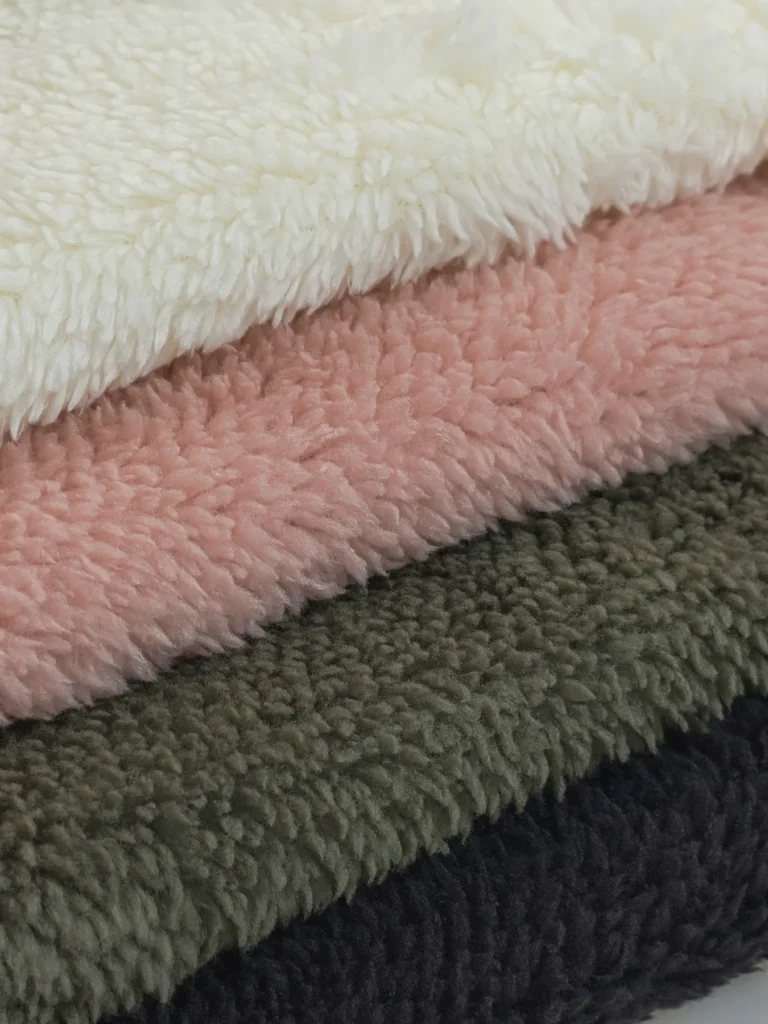

Introduction Polar fleece, a cozy and comforting fabric, finds its way into our closets and homes, providing warmth and softness. This article delves into the fascinating journey of how polar fleece is crafted, from its humble beginnings as raw materials to its final form as a beloved textile.
Materials Used in Polar Fleece Polar fleece primarily originates from polyester, a versatile plastic derived from oil. Polyester boasts strength, quick-drying properties, and shape retention, making it ideal for various applications, from outdoor gear to snug home essentials. Occasionally, manufacturers reinforce the threads with nickel-chromium alloy, enhancing the fleece’s toughness for harsh climates.
Weaving Process The production of polar fleece commences with weaving, intertwining two sets of threads—face yarns and bottom yarns. While the face yarns create the fabric’s visible surface, the bottom yarns contribute strength and insulation. This weaving process lays the groundwork for the fleece’s texture and thermal properties.
Enhancing the Fabric Following weaving, the fleece fabric undergoes a series of treatments to elevate its softness and fluffiness:
- Brushing: Rotating brushes gently lift the fibers, imparting a plush feel and enhancing insulation by trapping air.
- Carding: Fibers are aligned to ensure a smooth and consistent texture.
- Shearing: Irregular or excess fibers are trimmed to achieve a tidy appearance and uniform surface.
Final Treatment and Quality Enhancements The concluding stages of polar fleece production focus on stabilizing and refining the fabric. Mechanical agitation, such as shaking or beating, ensures the fibers remain in place, maintaining a consistent texture. The addition of nickel-chromium alloy threads enhances durability and thermal retention, particularly beneficial for garments designed for cold environments.
Conclusion Crafting polar fleece is a meticulous process that transforms raw materials into a fabric cherished for its warmth and comfort. Manufacturers employ cutting-edge technology to create fleece that not only keeps us cozy but also withstands the rigors of everyday wear. This journey underscores the synergy between innovation and thoughtful design in meeting our demand for high-quality textiles that envelop us in warmth and relaxation.
Key production checkpoints for polar fleece
Polar fleece quality is shaped by several production steps: yarn selection, knitting density, dyeing stability, brushing control, shearing, anti-pill finishing and final inspection. Small differences in brushing and shearing can change the surface, warmth and perceived quality of the fabric.
For buyers, the best approach is to approve a real sample and then lock the specification before bulk production. Confirm GSM, width, composition, color standard, finishing requirement and packing method. These details help avoid mismatch between lab sample, salesman sample and bulk fabric.
Related pages: Tech & Quality and Thermal Fabric Series.