Quick Answer
Cationic fabric and melange fabric can both create a heather or mixed-color appearance, but they are not the same thing. Cationic fabric usually uses cationic-dyeable polyester or blended yarns that react differently during dyeing, creating a two-tone or heather-like surface. Melange fabric usually uses mixed-color yarns or blended fibers to create the color effect before the fabric is knitted.
For apparel buyers, the right choice depends on the target look, fiber composition, GSM, stretch, color consistency, MOQ, lead time and end use.
Why Buyers Confuse Cationic and Melange Fabric
In product development, buyers often describe fabric appearance with words like heather, melange, two-tone, space color or cationic. These terms may sound similar because they all describe a surface that is not a flat solid color.
The sourcing problem is that similar appearance does not always mean the same production method. If the buyer only sends a photo and says “make this melange effect,” the supplier may need to clarify whether the target should be made with melange yarn, cationic yarn, yarn dyeing, printing or another development route.
That clarification matters because the method can affect color appearance, handfeel, cost, MOQ, lab dip process, bulk shade control, lead time, washing performance and colorfastness testing.
What Is Cationic Fabric?
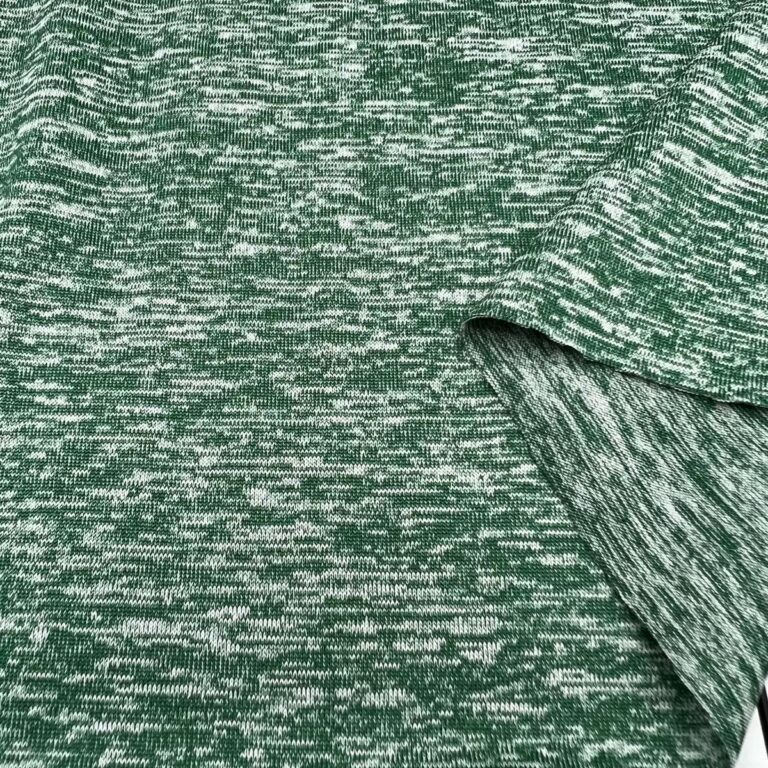
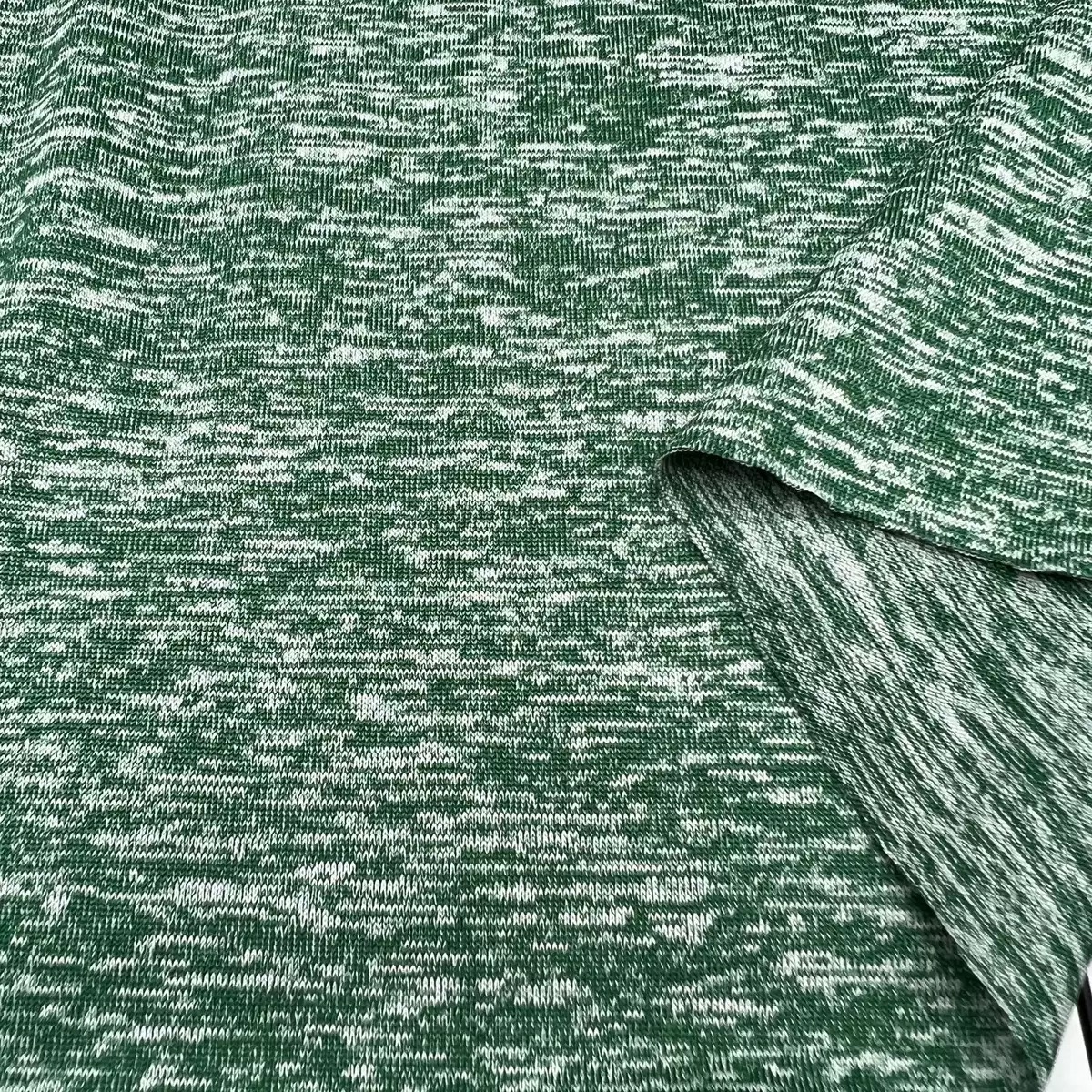
Cationic fabric usually refers to fabric made with yarns that can create a two-tone or heather-like effect during dyeing. In apparel sourcing, it is commonly associated with cationic-dyeable polyester or yarn combinations that respond differently to dye.
The result can look more technical and active than a flat solid polyester fabric. This makes cationic fabric useful for sportswear, training tops, athleisure, T-shirts, fleece and custom knit programs.
Common cationic fabric types include:
- Cationic single jersey
- Cationic mesh
- Cationic stretch knit fabric
- Cationic polar fleece
- Cationic bonded fleece
For a deeper definition, read what cationic fabric means for apparel sourcing.
What Is Melange Fabric?
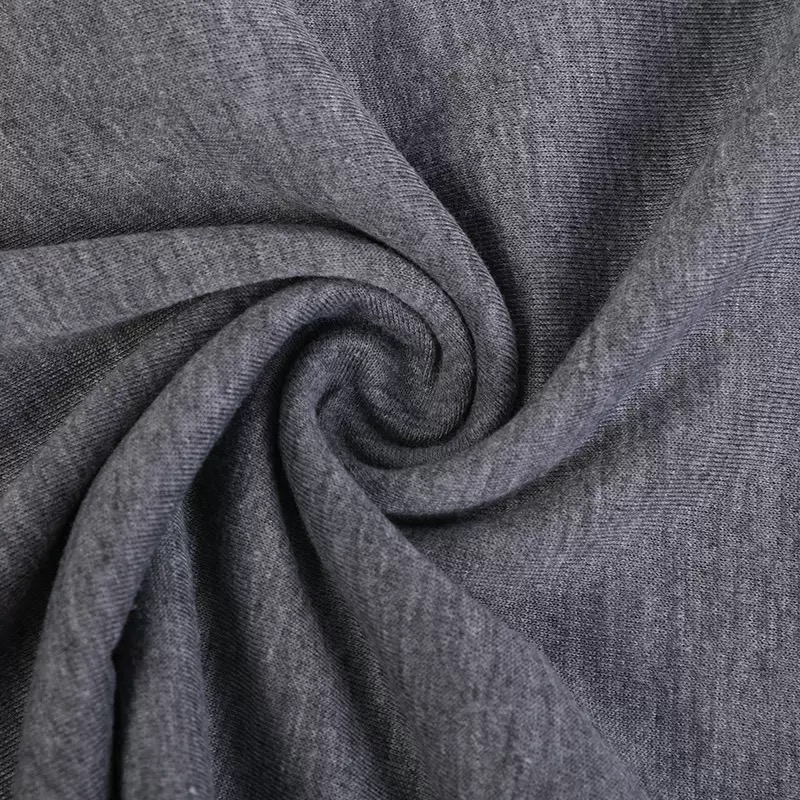
Melange fabric usually refers to a fabric made from mixed-color yarns or blended fibers that create a heathered appearance before the fabric is dyed or finished. The look is often softer and more casual than a strong two-tone cationic effect.
Melange fabrics are common in casual T-shirts, sweatshirts, hoodies, lifestyle sportswear, loungewear and everyday knitwear. The exact appearance depends on the yarn blend, color ratio, spinning method, fabric construction and finishing.
Key Difference: How The Color Effect Is Created
The most important difference is the route used to create the color effect.
| Buyer Question | Cationic Fabric | Melange Fabric |
|---|---|---|
| How is the effect created? | Different yarns respond differently during dyeing | Mixed-color yarns or blended fibers create the effect before knitting |
| Typical appearance | Two-tone, heather-like, technical or active look | Softer heather, blended or casual look |
| Common materials | Often polyester or polyester-spandex constructions | Cotton, polyester, viscose, blends or mixed yarns depending on product |
| Common use | Sportswear, T-shirts, athleisure, fleece, custom knit programs | T-shirts, sweatshirts, hoodies, casualwear, lifestyle apparel |
| Main sourcing control | Lab dip, dyeing behavior and bulk shade consistency | Yarn lot, color blend, shade matching and handfeel |
Which Looks Better?
There is no universal answer. The better option depends on the garment style.
Cationic fabric may be better when the buyer wants a technical sportswear look, a clearer two-tone surface, polyester or polyester-spandex performance, or a textured alternative to solid polyester.
Melange fabric may be better when the buyer wants a softer casual heather look, a sweatshirt or T-shirt fabric with a more relaxed appearance, or a lifestyle apparel direction.
If the garment is a running top, gym T-shirt or activewear piece, cationic single jersey may be a strong option. If the garment is a lifestyle hoodie or casual T-shirt, melange fabric may fit the product mood better.
Which Is Better For Sportswear?
Cationic fabric is often more suitable for sportswear when the buyer also needs stretch, quick-dry finishing, lightweight handfeel or a technical color effect. A polyester-spandex cationic single jersey can support activewear programs if the construction and finishing meet the target performance.
However, appearance alone is not enough. Buyers should confirm GSM, composition, stretch and recovery, moisture management, handfeel, colorfastness, shrinkage and pilling performance if relevant.
Melange fabrics can also be used in sportswear, especially for lifestyle activewear. But if the product needs strong performance properties, the buyer should confirm whether the melange construction can meet the same testing and wear requirements. Explore related activewear fabric programs.
Which Is Better For T-Shirts?
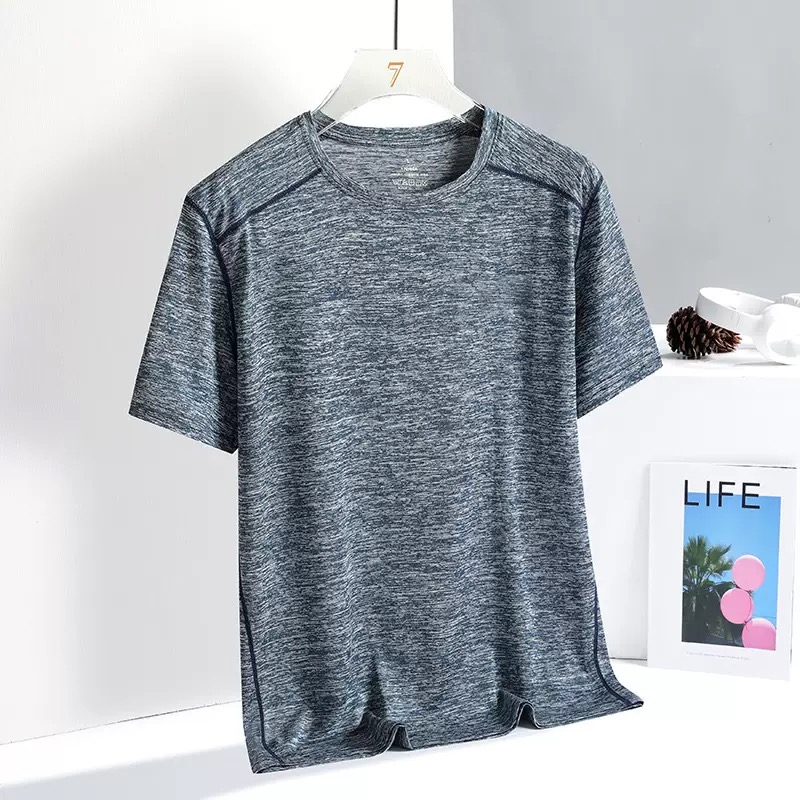
Both can work. Cationic fabric is useful for T-shirts when the buyer wants a polyester or polyester-spandex product with a more active look. It can be suitable for training tops, teamwear, outdoor base layers or athleisure tees.
Melange fabric is useful for T-shirts when the buyer wants a softer casual look, especially for lifestyle apparel or daily knitwear. It may feel more familiar in casual fashion collections.
The decision should come from the product brief: for performance T-shirts, consider cationic knit fabric; for casual heather T-shirts, consider melange fabric; for hybrid athleisure, compare both options with real samples.
Sourcing Risks Buyers Should Watch
1. Lab Dip Does Not Match Bulk
For cationic fabric, the lab dip should be reviewed carefully because the two-tone effect can shift between development and bulk production. Buyers should approve a clear shade standard and keep physical records.
2. Yarn Lot Variation
For melange fabric, yarn lot consistency matters. If the yarn blend or color mix changes, the final fabric appearance can shift even when the construction is similar.
3. Confusing Appearance With Performance
A fabric can look correct but still fail the garment requirement. Always check stretch, recovery, shrinkage, pilling, handfeel and wash performance.
4. Using One Photo As The Only Standard
A reference photo is useful, but it is not enough. Buyers should also provide target GSM, composition, color direction, fabric use and required testing.
5. Ignoring End Use
A fabric for a lifestyle hoodie and a fabric for a sports training top may both look heathered, but their performance needs are different. Start with the garment use before choosing the color-effect method.
Buyer Comparison Checklist
Before requesting samples, send the supplier:
| Item | Why It Matters |
|---|---|
| Target garment | Helps decide whether cationic or melange is more suitable |
| Reference image or swatch | Shows the desired surface effect |
| Composition target | Affects dyeing, handfeel, performance and cost |
| GSM range | Controls thickness, drape and product positioning |
| Stretch requirement | Important for sportswear and athleisure |
| Color standard | Helps manage lab dip and bulk shade |
| Finishing requirement | Quick-dry, brushed, anti-pilling, peached or other finish |
| Testing requirement | Confirms colorfastness, shrinkage, pilling and wash stability |
| Quantity estimate | Affects MOQ and development route |
Recommended Decision Path
| Product Goal | Better Starting Point |
|---|---|
| Technical sportswear look | Cationic fabric |
| Soft casual heather look | Melange fabric |
| Polyester-spandex training top | Cationic single jersey |
| Lifestyle hoodie or sweatshirt | Melange or fleece option, depending on construction |
| Two-tone fleece effect | Cationic fleece |
| Unclear target | Request both cationic and melange sample options |
FAQ
Is cationic fabric the same as melange fabric?
No. They can look similar, but the color effect is usually created differently. Cationic fabric often relies on dyeing behavior, while melange fabric usually relies on mixed-color yarn or blended fiber appearance.
Can cationic fabric look like melange fabric?
Yes, cationic fabric can create a heather-like look that may be visually similar to melange. Buyers should compare physical samples because the effect, handfeel and color depth may differ.
Which one is better for activewear?
Cationic fabric is often a strong starting point for activewear, especially when the buyer wants polyester or polyester-spandex performance with a textured look. Final selection should still depend on GSM, stretch, recovery, moisture management and testing.
Which one is better for hoodies?
For casual hoodies, melange fabric or fleece may be more suitable. For a more technical or two-tone fleece effect, cationic fleece can also be considered.
What should buyers ask before sampling?
Ask for composition, GSM, width, stretch, color standard, lab dip process, finishing, MOQ, sample lead time and relevant test options.
Practical Next Step
If your team is comparing cationic fabric and melange fabric, start with the target garment and the surface effect you want. WellDoneTex can review your reference image, GSM target, composition and application, then recommend cationic knit fabric options or comparison samples for development.
Browse the WellDoneTex fabric collection or request cationic fabric samples, lab dips or custom knit specifications.