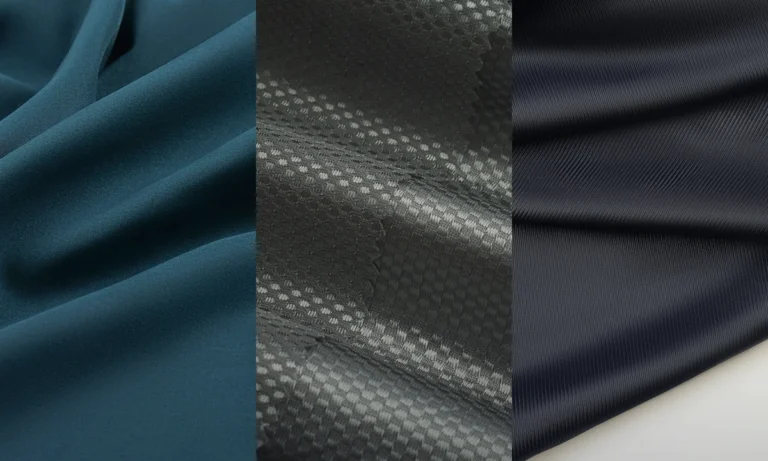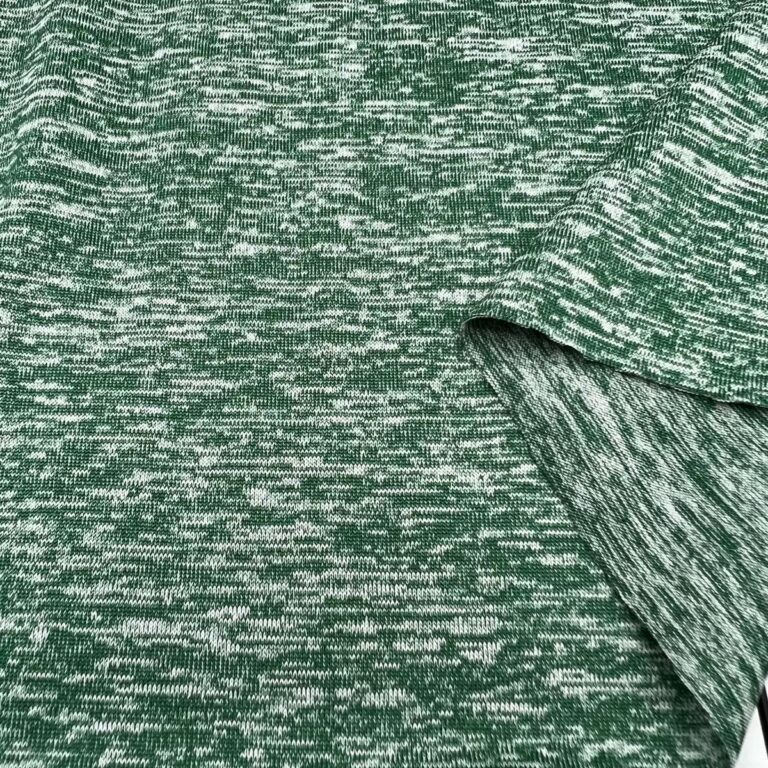
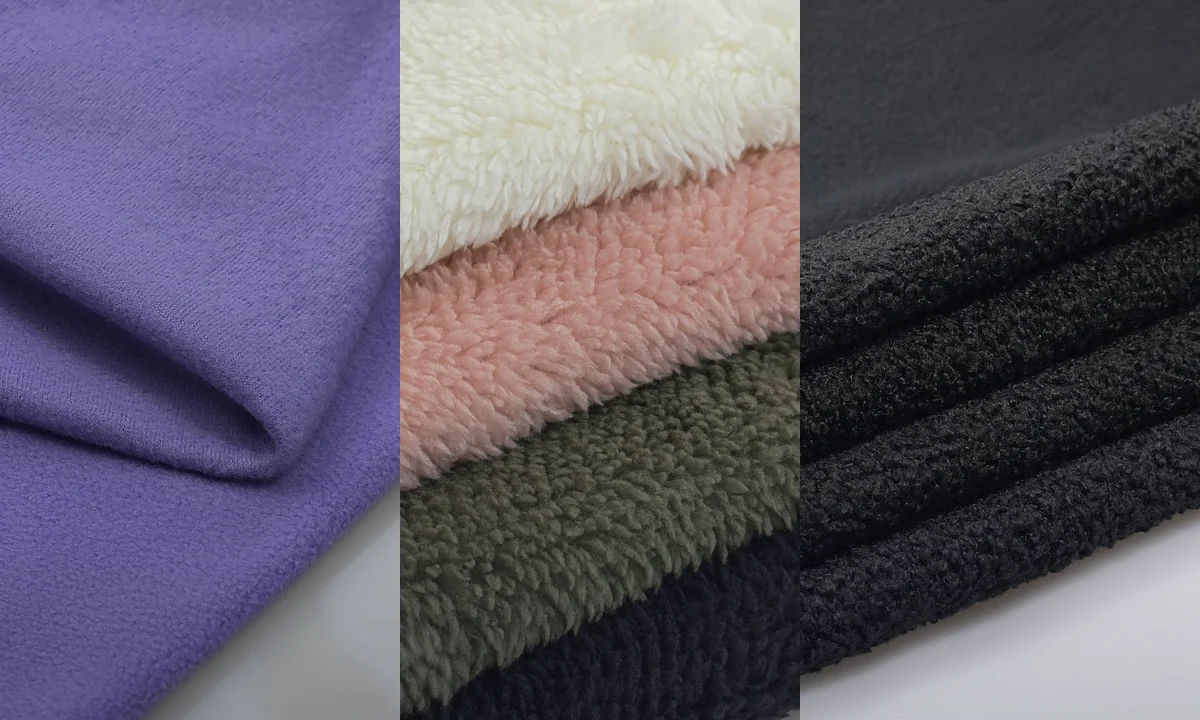
Quick Answer
Coral fleece and polar fleece are both fleece categories commonly used in textile sourcing, but buyers usually choose them for different end uses. Coral fleece is typically selected when a softer, plusher comfort handfeel matters most. Polar fleece is typically selected when a buyer needs a more standard thermal fleece for jackets, hoodies, linings or broad cold-weather programs. The right choice depends on end use, GSM, finishing, pilling control and sample approval standards.
If a buyer is deciding between coral fleece and polar fleece, the first question should not be which name sounds better. The first question should be what the final product needs to do.
When To Choose Coral Fleece
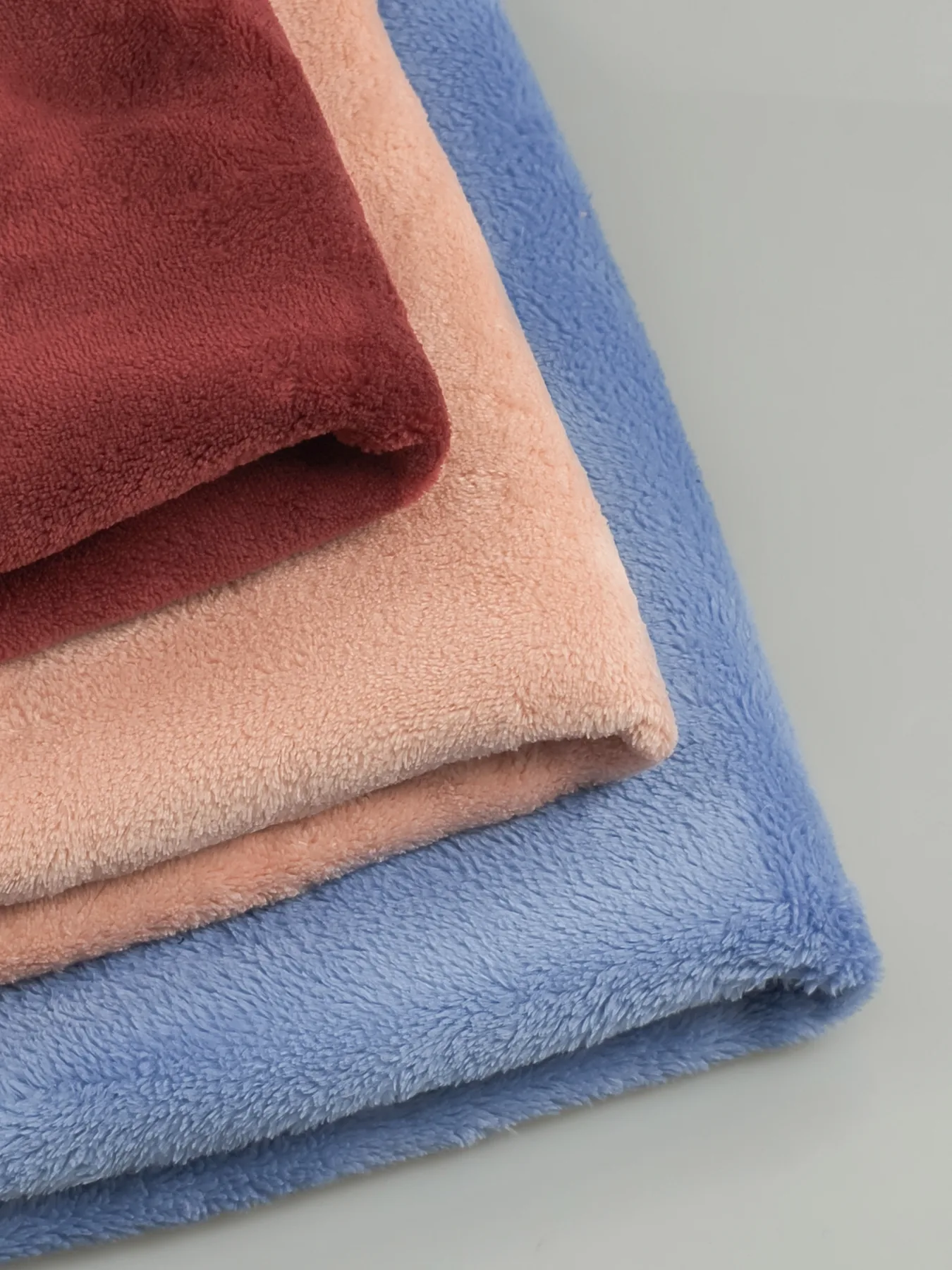
In sourcing conversations, coral fleece usually refers to a softer and fuller fleece surface with a plush comfort feel. Buyers often consider it when touch, softness and visual coziness matter more than a standard technical fleece look.
Coral fleece is usually the better starting point when the product must immediately feel soft, plush and comfort-focused. That often makes sense for blankets, robes, baby articles and some casual winter products where tactile appeal is one of the main selling points.
That does not mean coral fleece is only for home textiles. It can also fit selected casual winterwear or comfort-led apparel programs. The buyer should still check whether the pile, weight and finishing match garment use rather than assuming every coral fleece quality behaves the same way. For more background, read what coral fleece fabric means for apparel buyers.
When To Choose Polar Fleece
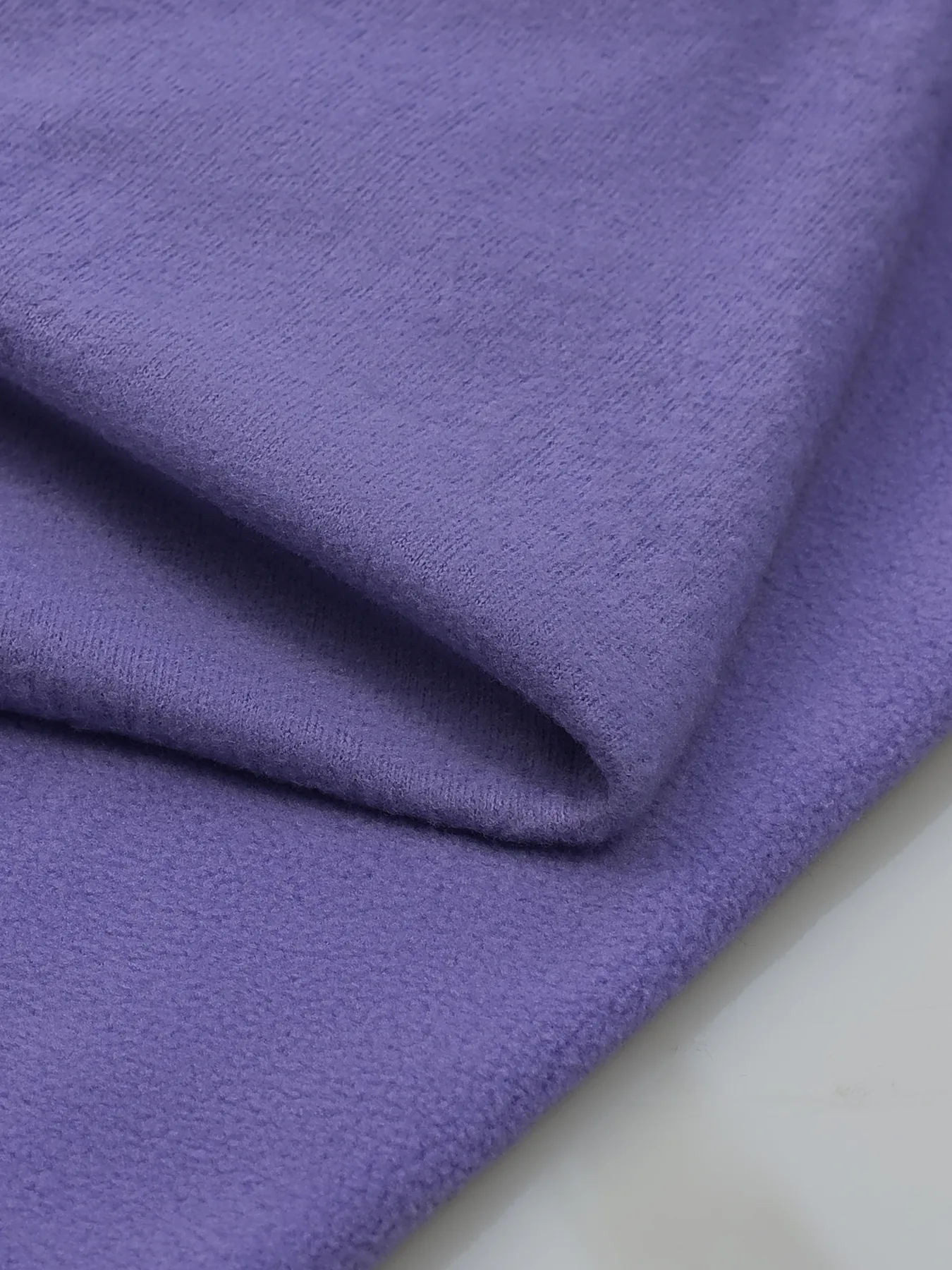
Polar fleece is usually positioned as a more standard thermal fleece category for garments and linings. Buyers often use it for hoodies, jackets, warm-up layers and practical cold-weather programs where warmth, consistency and broader apparel usability matter.
Polar fleece is usually the safer choice when the buyer is building a thermal apparel or lining program. In these cases, the buyer should focus on anti-pilling control, warmth-to-weight balance, dimensional stability, color consistency and whether the quality is appropriate for the intended garment construction.
This category can still vary a lot. One supplier’s polar fleece may differ from another supplier’s version in weight, brushing, anti-pilling finish and overall handfeel. A clear sample brief matters more than relying on the fabric name alone. See also what polar fleece is used for.
Coral Fleece vs Polar Fleece Comparison Table
| Buyer Factor | Coral Fleece | Polar Fleece | What To Confirm |
|---|---|---|---|
| Main reason buyers choose it | Plush softness and comfort look | Thermal use and broader apparel fit | End product priority |
| Typical applications | Blankets, robes, baby items, selected casual winterwear | Hoodies, jackets, linings, thermal apparel | Actual end use |
| Surface feel | Fuller and softer pile | Cleaner standard fleece feel | Handfeel approval |
| GSM discussion | Often judged by bulk and plush feel | Often judged by warmth and performance use | Target GSM range |
| Pilling focus | Check pile integrity and finishing | Check anti-pilling performance and durability | Testing expectation |
| Price comparison | Should not be judged by name only | Should not be judged by name only | Compare the same specs |
What Buyers Should Confirm Before Asking For Samples
Before requesting prices or samples, a buyer should send enough information to avoid receiving the wrong fleece quality. This matters because fleece names are not always used in exactly the same way across suppliers. A clear specification brief reduces back-and-forth and makes price comparison more meaningful.
| Item | Why It Matters |
|---|---|
| End use | Apparel, lining, blanket, robe or baby item changes the fabric choice |
| Target GSM | Controls thickness, warmth, drape and price comparison |
| Composition | Affects handfeel, care, cost and performance expectations |
| Finished width | Impacts marker planning and fabric consumption |
| Color or shade standard | Helps control lab dips and bulk shade approval |
| Anti-pilling requirement | Important for hoodies, jackets and repeated-wear programs |
| Handfeel expectation | Prevents a plush comfort request from being quoted as a standard fleece |
| Sample quantity | Lets the supplier prepare a practical development route |
Buyer Notes On Pilling, Finish And Bulk Approval
Neither coral fleece nor polar fleece should be judged by name alone. Pilling performance depends on construction, yarn, brushing, finishing and quality control. If pilling is important for the final product, buyers should ask whether anti-pilling treatment is included and confirm performance on samples when needed.
For coral fleece programs, pay close attention to pile appearance, softness consistency, GSM tolerance and whether the sample still looks acceptable after handling and washing. For polar fleece programs, pay close attention to anti-pilling control, stability, shade consistency and warmth-to-weight balance.
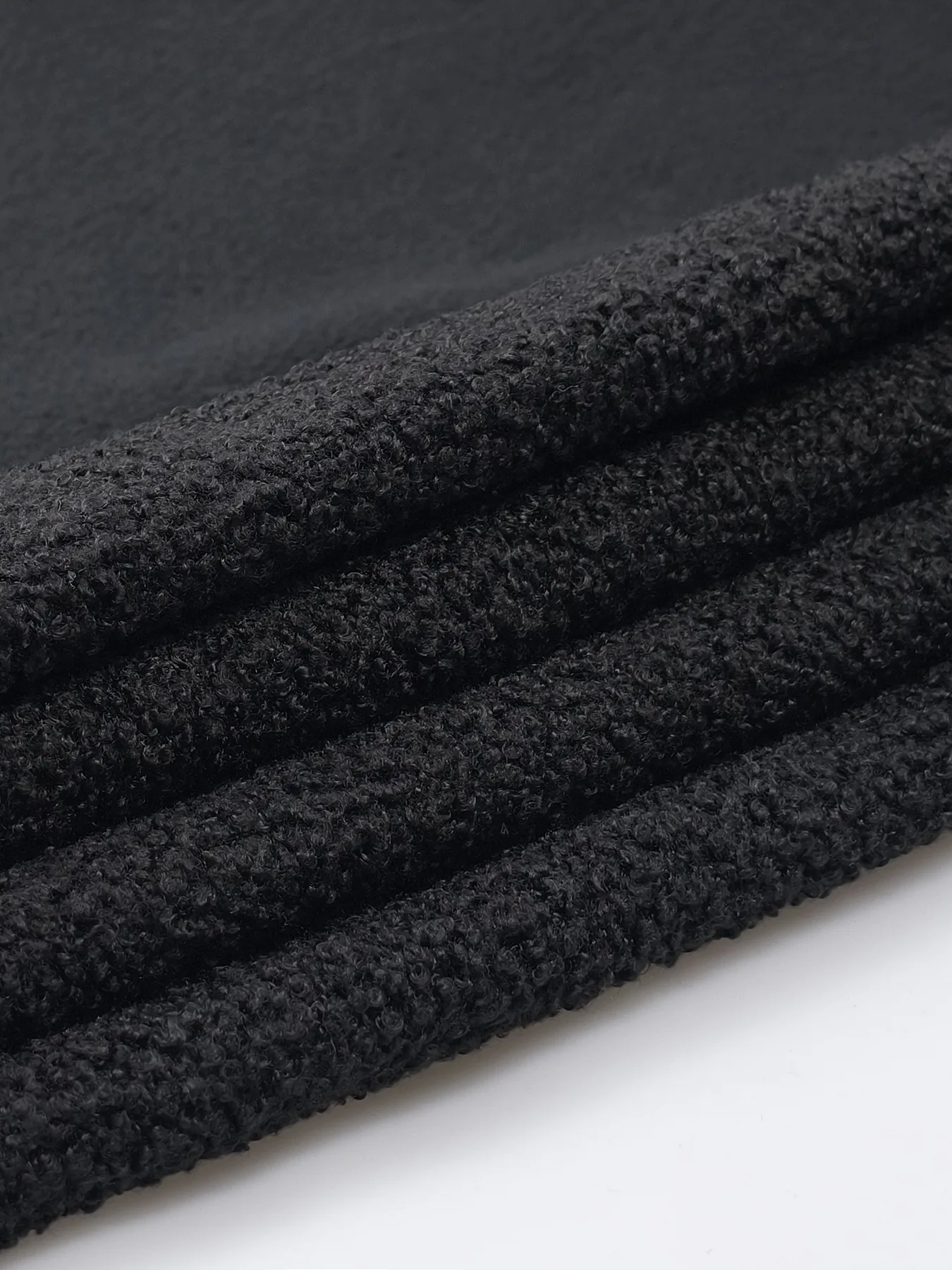
How This Fits Thermal Fleece Sourcing
For many buyers, the right path is not only coral fleece versus polar fleece. It may also involve bonded fleece, anti-pill fleece or other thermal knit options. The most practical starting point is to define the product use, then compare fleece options with the same GSM range, finishing direction and sample approval standard.
Explore WellDoneTex thermal fleece fabric options, browse the broader fabric collection, or use this guide together with the anti-pill fleece buying guide.
FAQ
What is the difference between coral fleece and polar fleece?
Coral fleece is usually selected for a softer and plusher comfort feel, while polar fleece is usually selected for broader thermal garment use. Buyers should compare actual samples because naming can vary by supplier.
Is coral fleece warmer than polar fleece?
Not always. Warmth depends on GSM, construction and finishing, not only on the fabric name. Coral fleece may feel fuller and softer, while polar fleece may be chosen more often for thermal apparel use.
Which fleece is better for jackets or hoodies?
Polar fleece is usually the safer starting point for jackets, hoodies and linings because it is more commonly used as a standard thermal apparel fleece.
Which fleece is better for blankets?
Coral fleece is often preferred for blankets when the goal is a softer and more plush comfort feel. Polar fleece can also work, but the selection should still depend on the desired surface, weight and finish.
Does polar fleece pill more easily than coral fleece?
Neither should be judged by name alone. Pilling performance depends on construction, finishing and quality control. Buyers should ask whether anti-pilling treatment is included and confirm performance on samples when needed.
What specs should buyers send before asking for a quote?
Send the target end use, GSM range, composition, width, color standard, finishing requirements, pilling expectations, sample quantity and estimated order volume.
Practical Next Step
If your team is comparing coral fleece and polar fleece, start with the target product, GSM range and handfeel requirement. WellDoneTex can help review the intended application and prepare fleece sample options for comparison.
Request fleece fabric samples or discuss a custom thermal fabric specification.