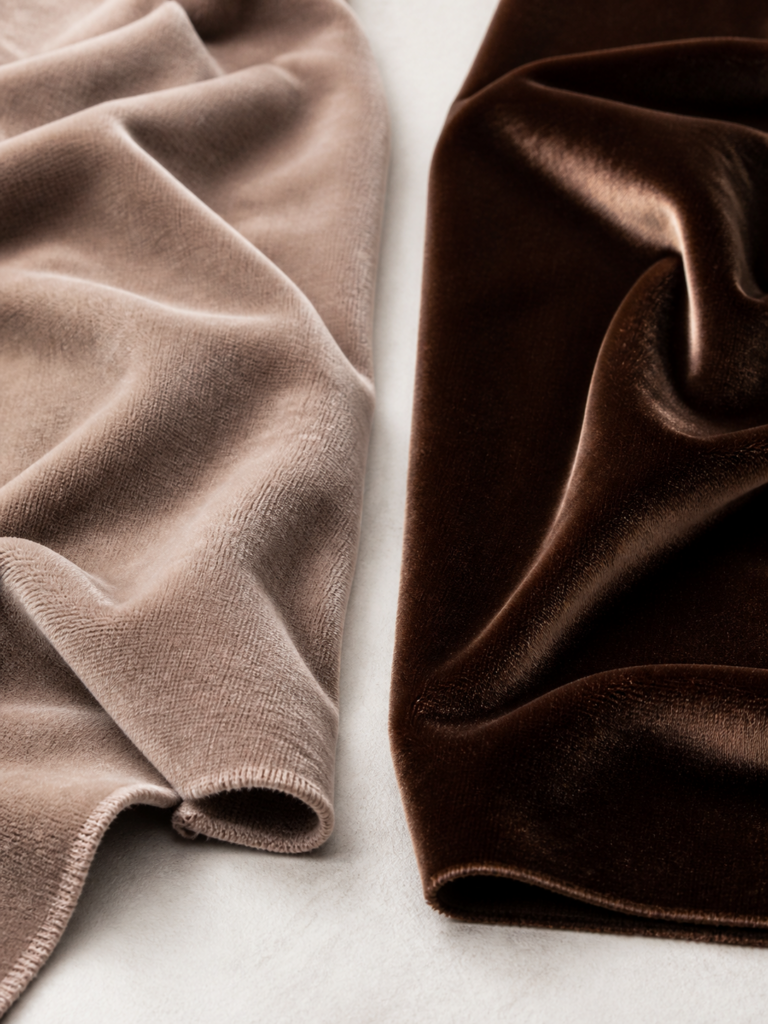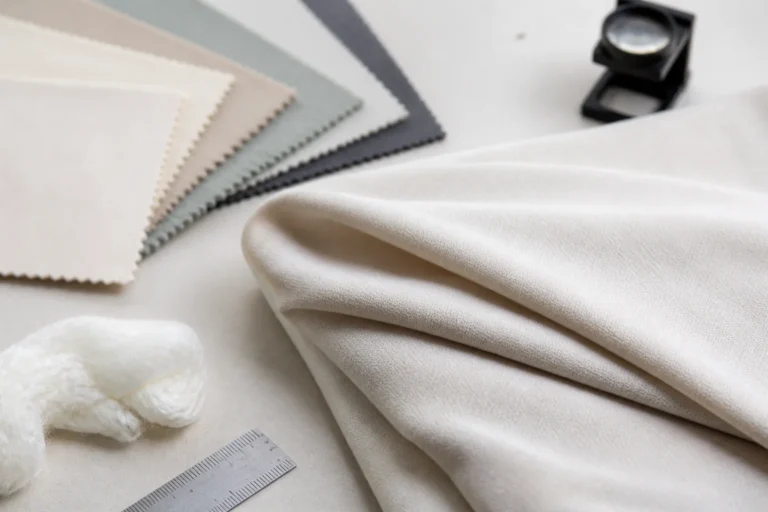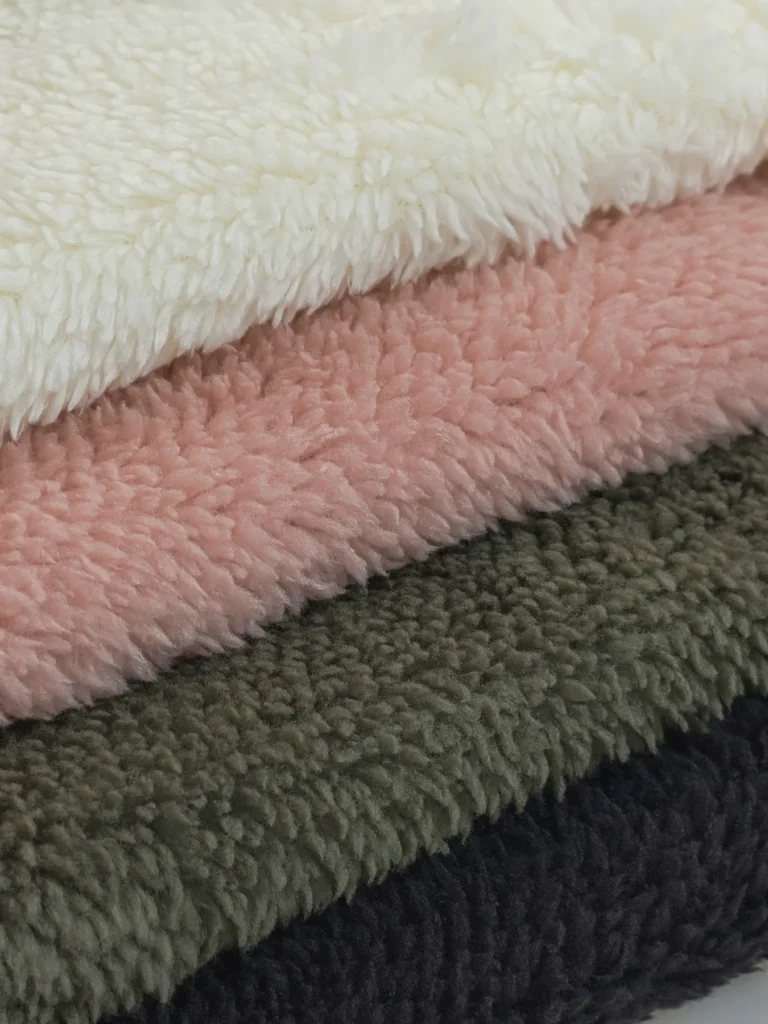
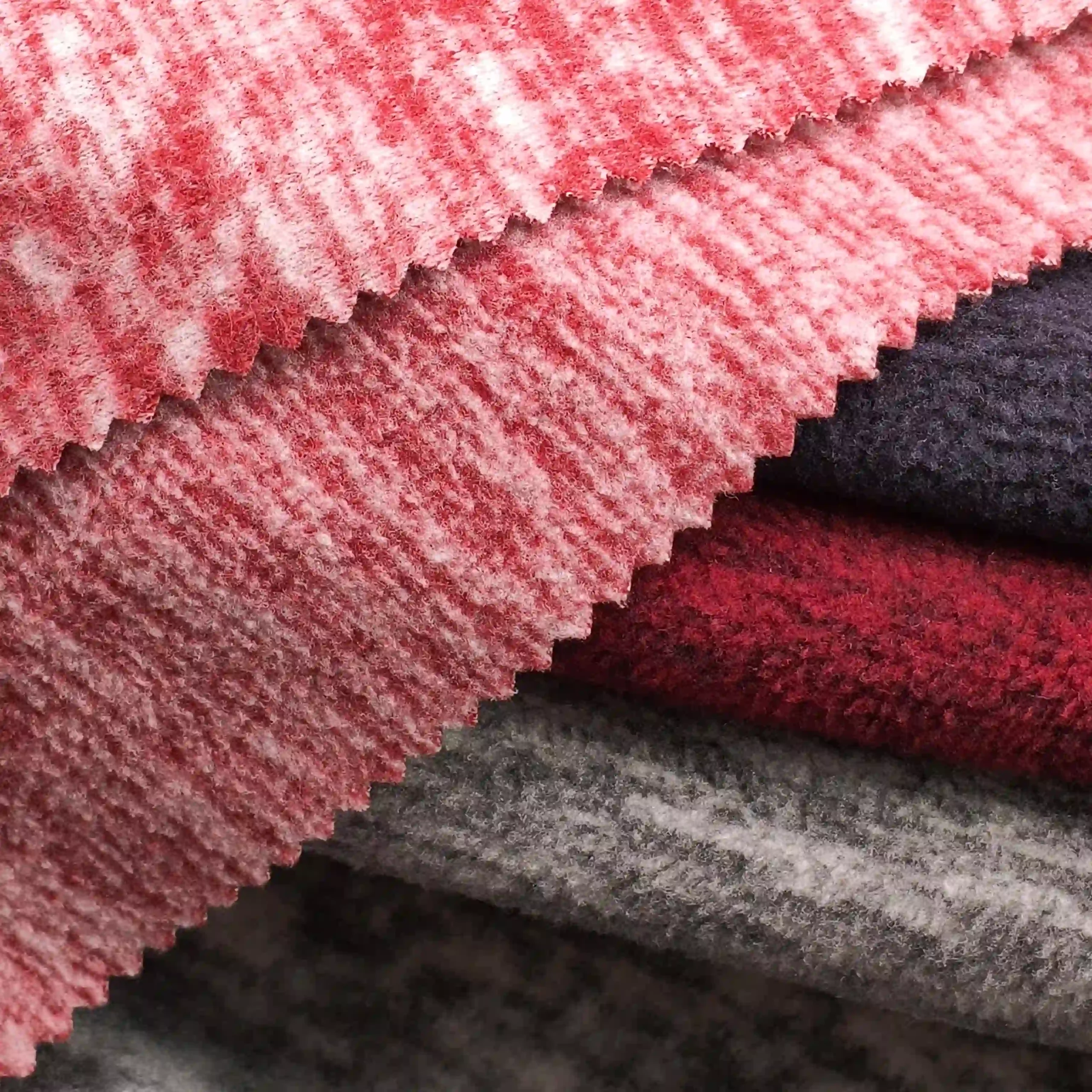
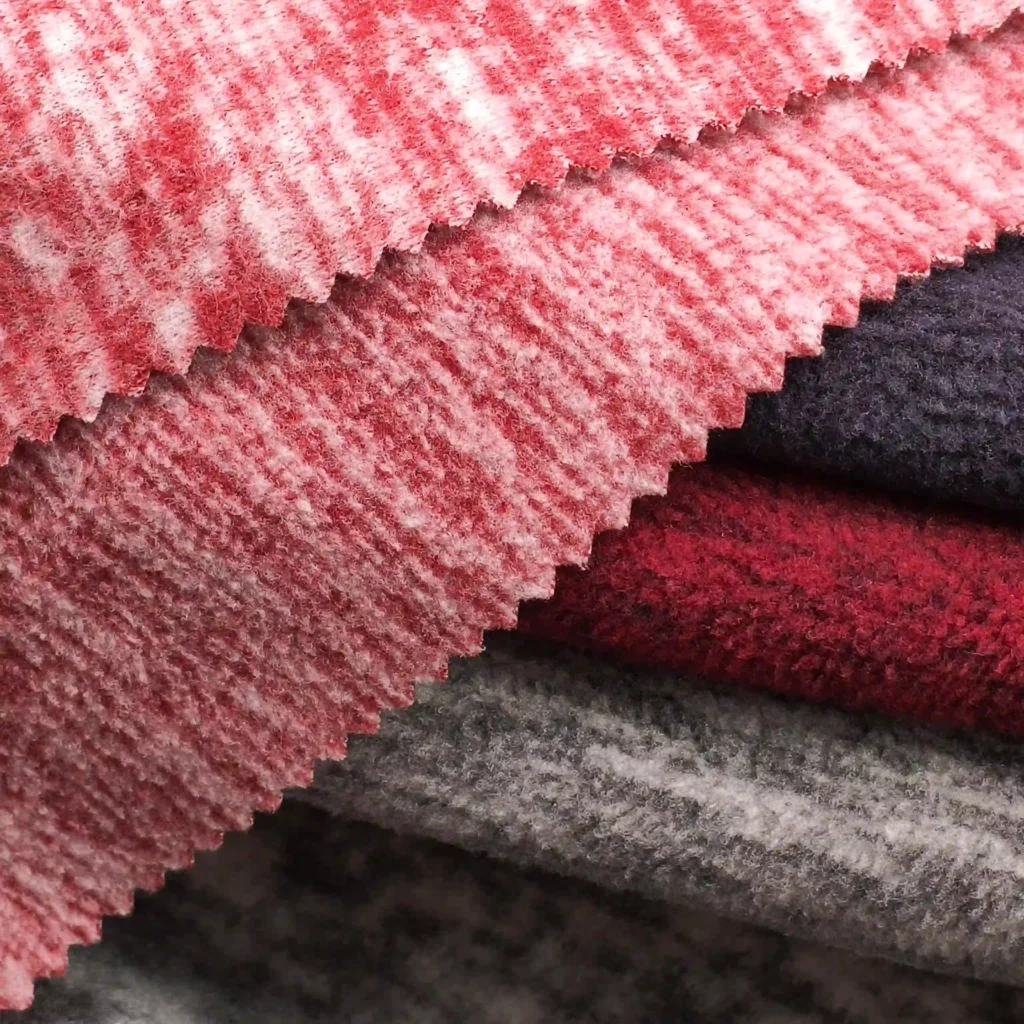
Polar fleece fabric is a synthetic brushed fleece material used in hoodies, jackets, linings and other cold-weather apparel programs when buyers need warmth, soft handfeel and a fabric that can be compared by GSM, composition, brushing and anti-pilling expectations.
- Common for hoodies, jackets, pullovers, loungewear and lining programs.
- Usually reviewed by GSM, composition, handfeel, anti-pilling finish, width and colorfastness.
- Best approved through sample review tied to the final garment use.
What Is Polar Fleece Fabric?
In textile sourcing, polar fleece usually refers to a synthetic brushed fleece fabric used for warmth-focused apparel and lining programs. Buyers normally compare GSM, composition, anti-pilling expectations and finishing before approving sampling.
What Is Polar Fleece Made Of?
Polar fleece is most commonly made from polyester. Depending on the program, buyers may also review recycled polyester options, blends, stretch requirements and documentation needs before sampling or bulk quotation.
What Is Polar Fleece Used For?
Polar fleece is often used for hoodies, jackets, pullovers, blankets, winter accessories and garment linings. The right fabric depends on target warmth, garment structure, GSM range, surface finish and cost target.
What Are The Advantages And Disadvantages Of Polar Fleece?
Polar fleece can offer warmth, softness, practical production cost and flexible finishing options. Buyers should also confirm pilling expectations, static concern, brushing level, colorfastness and dimensional stability before approving a quality.
Polar Fleece vs Microfleece vs Coral Fleece
| Compare need | Polar fleece | Buyer note |
|---|---|---|
| Main use | Jackets, hoodies, lining and cold-weather basics | Confirm actual end use before approving weight. |
| Handfeel | Warm and brushed, but varies by finish | Sample review is still required. |
| Common spec focus | GSM, composition, anti-pilling, width and colorfastness | Send a spec sheet or reference sample with the inquiry. |
| Compared with microfleece | Usually more standard bulk warmth positioning | Clarify softness, thickness and bulk requirement. |
| Compared with coral fleece | Usually less plush and more garment-oriented | Choose by product category, not by fabric name only. |
What Buyers Should Send Before Asking For Polar Fleece Samples
- target end use
- target GSM range
- composition requirement
- brushed or anti-pilling requirement
- width requirement
- target color or print plan
- testing concern if any
- sample request, quote request or custom development goal
Polar Fleece FAQ
What is polar fleece made of?
Polar fleece is most commonly made from polyester. For brand programs, buyers may also review recycled polyester, blends, stretch needs and documentation requirements.
What is polar fleece used for?
It is commonly used for hoodies, jackets, pullovers, blankets, winter accessories and garment linings.
Does polar fleece shrink or pill?
Performance depends on fiber, knitting, brushing, shearing, finishing and testing standard. Buyers should confirm shrinkage and pilling expectations before bulk approval.
What are the disadvantages of polar fleece?
Possible concerns include static, pilling risk, variation in handfeel and suitability for the final garment. These should be checked through sample review and testing requirements.
What is the difference between polar fleece and microfleece?
Microfleece is usually lighter and finer. Polar fleece is often used for broader warmth-focused apparel programs, but the final choice should be based on GSM, handfeel and garment use.
Request Polar Fleece Samples | Explore Thermal Fleece Options | Compare Coral Fleece and Polar Fleece