Quick Answer
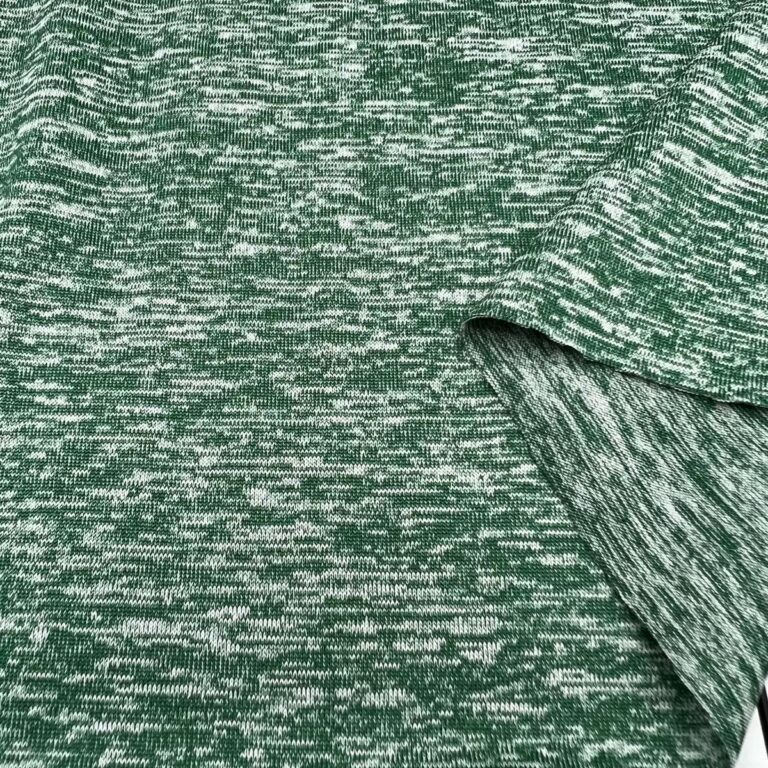
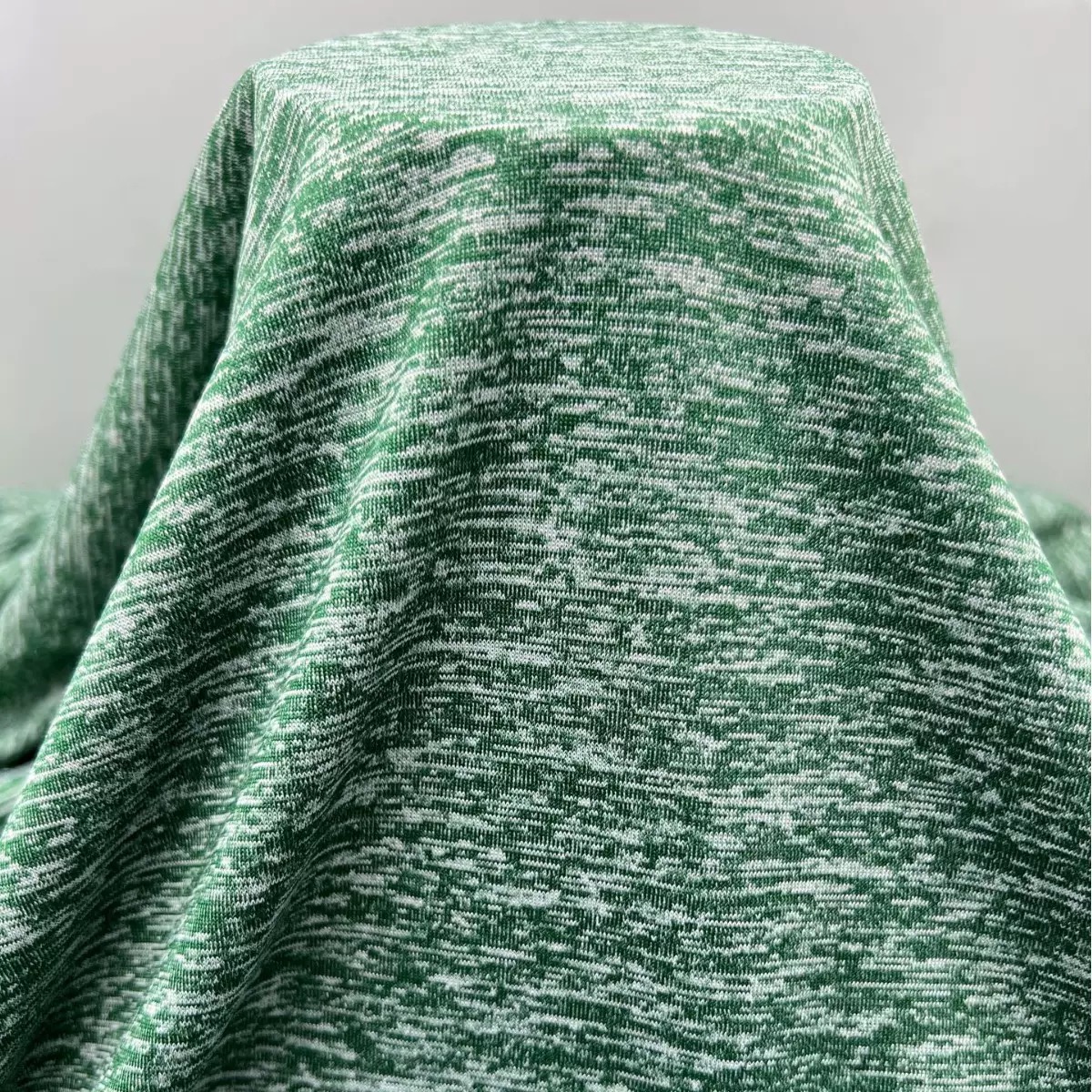
Cationic fabric is usually made with cationic-dyeable polyester yarn or blended yarns that create two-tone, heather or melange-like color effects during dyeing. In apparel sourcing, buyers often use cationic knit fabrics for sportswear, T-shirts, athleisure, fleece and other products that need a more textured color appearance than regular solid polyester fabric.
For sourcing teams, the key question is not only “what is cationic fabric?” It is whether the fabric can meet the required look, GSM, stretch, handfeel, color consistency, finishing and bulk production standard for the garment program.
What Does Cationic Fabric Mean?
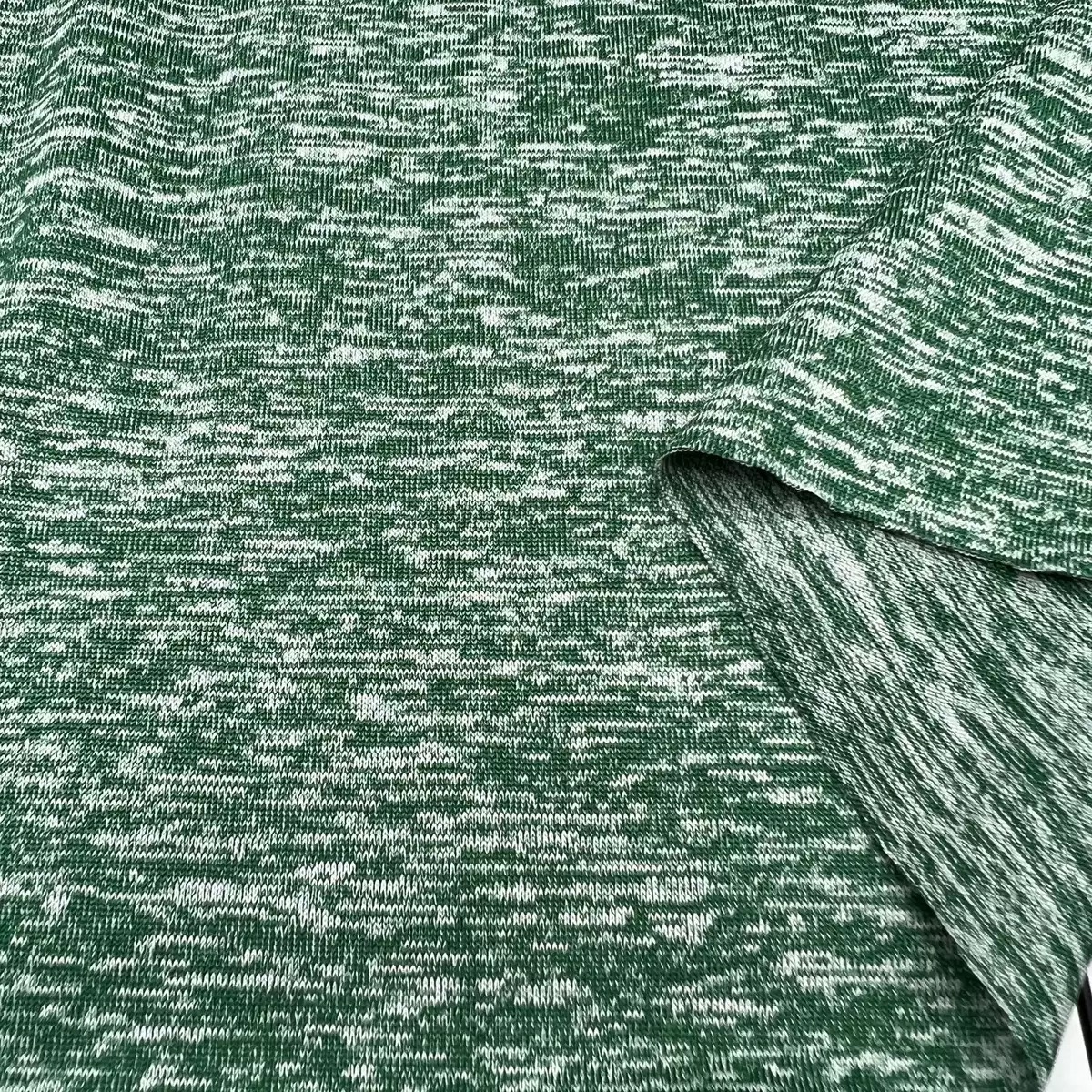
In textile sourcing, “cationic” usually refers to yarns or fibers that can be dyed with cationic dye or that behave differently from regular polyester during dyeing. When these yarns are combined with other yarns or fiber types, the fabric can develop a two-tone or heather-like surface after dyeing.
This is why cationic fabrics are often used when a buyer wants a more active, technical or premium look without relying only on a flat solid color.
Common cationic fabric forms include:
- Cationic single jersey
- Cationic mesh
- Cationic polar fleece
- Cationic bonded fleece
- Cationic stretch knit fabric
- Cationic fabrics blended with spandex for sportswear
The exact fabric performance depends on the yarn, construction, GSM, finishing and supplier’s dyeing control. Buyers should always confirm the specification instead of judging only by the word “cationic.”
Why Buyers Use Cationic Fabric
Apparel buyers usually choose cationic fabric for visual effect and product positioning. Compared with a plain solid polyester fabric, cationic fabric can create a more dimensional surface. This can make basic garments look more developed without changing the overall garment construction.
Typical buyer reasons include:
- To create a heather or two-tone color effect
- To make sportswear or athleisure products look more technical
- To give T-shirts, training tops or fleece products a more textured appearance
- To develop color effects that are different from standard solid dyed fabric
- To support custom fabric programs where color, handfeel and function need to be balanced
For buyers, cationic fabric can be useful when the product needs a stronger surface identity but still needs practical performance such as stretch, softness, durability and stable bulk production.
Common Types of Cationic Fabric
Cationic Single Jersey
Cationic single jersey is a common option for T-shirts, training tops, athleisure and lightweight sportswear. It can be developed with polyester or polyester-spandex constructions depending on the buyer’s stretch and recovery requirements.
Buyers should confirm:
- Composition
- GSM
- Width
- Stretch and recovery
- Handfeel
- Color effect
- Moisture-management or quick-dry finishing, if required
WellDoneTex’s current commercial page focuses on cationic single jersey fabric for sportswear and knit apparel programs.
Cationic Mesh
Cationic mesh can be used when breathability and surface texture are both important. It may be suitable for sports panels, linings, performance tops or casual activewear details, depending on the construction.
Buyers should check whether the mesh openness, strength, stretch and color effect fit the garment use.
Cationic Fleece
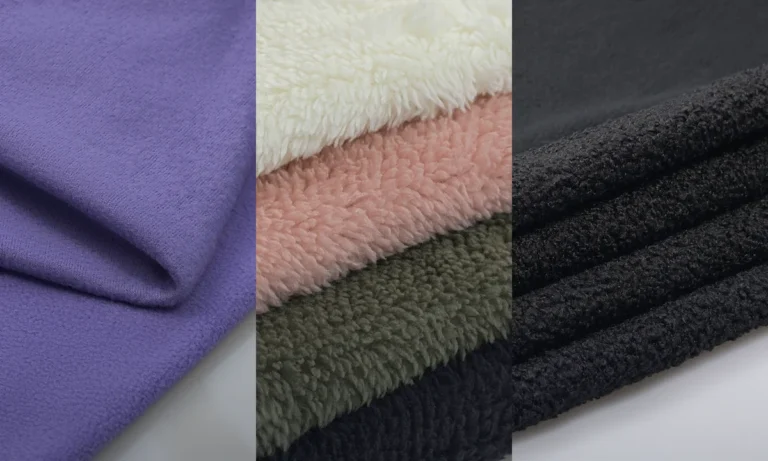
Cationic fleece fabrics are often used for thermal or casual products where buyers want a more textured surface instead of a flat fleece color. This can include polar fleece, bonded fleece or other thermal knit constructions.
For fleece programs, buyers should pay special attention to:
- Pilling performance
- Brushed surface quality
- GSM and warmth target
- Shrinkage
- Handfeel after washing
- Color consistency between lab dip and bulk
Cationic Bonded Fabric
Cationic bonded fabrics combine the color effect of cationic fabric with a bonded construction. These can be used for warmer or more structured products, but they need careful checking for bonding strength, handfeel, stretch and wash performance.
Cationic Fabric vs Regular Polyester Fabric
The difference is mainly in the color effect and dyeing behavior. A regular polyester fabric usually produces a more uniform solid color. A cationic fabric can create a two-tone or heather-like effect when the yarns respond differently during dyeing.
| Buyer Question | Regular Polyester Fabric | Cationic Fabric |
|---|---|---|
| Surface look | Usually solid and uniform | Two-tone, heather or textured effect |
| Common use | Basic T-shirts, uniforms, linings, sportswear | Sportswear, athleisure, T-shirts, fleece, custom knit programs |
| Main advantage | Clean solid color and broad availability | More developed surface appearance |
| Main sourcing risk | Shade matching and finishing | Color development, bulk consistency and lab dip control |
| What buyers should request | Composition, GSM, color standard, finishing | Composition, GSM, stretch, lab dip, color effect and bulk shade standard |
The best option depends on the product goal. If the buyer wants a clean brand color, regular polyester may be better. If the buyer wants a more textured or technical appearance, cationic fabric may be more suitable.
Key Specifications Buyers Should Check
Before requesting samples, buyers should prepare a clear specification. This helps the supplier recommend the correct construction and reduces back-and-forth during development.
1. Composition
Confirm whether the fabric is polyester, polyester-spandex, blended yarn or another construction. Composition affects stretch, handfeel, dyeing result, cost and care requirements.
2. GSM
GSM affects thickness, drape, warmth and product positioning. A lightweight cationic single jersey for T-shirts will not behave like a heavier cationic fleece or bonded fabric.
3. Width
Width affects marker planning, fabric consumption and garment cost. Buyers should confirm usable width, not only nominal width.
4. Stretch and Recovery
For sportswear or athleisure, stretch and recovery are critical. If spandex is included, buyers should request stretch direction, recovery performance and wash stability.
5. Color Effect
The buyer should provide a target color or reference image and ask for lab dips. Cationic effects can vary depending on yarn, dyeing process and bulk production control.
6. Handfeel and Finishing
Finishing can change softness, moisture management, brushing, anti-pilling performance and surface appearance. Buyers should specify whether the fabric needs quick-dry, peached, brushed, anti-pilling or other finishing.
7. Testing Requirements
For export apparel programs, buyers may need colorfastness, shrinkage, pilling, dimensional stability or other test results. Certification or testing requirements should be discussed before bulk order.
Where Cationic Fabric Is Used
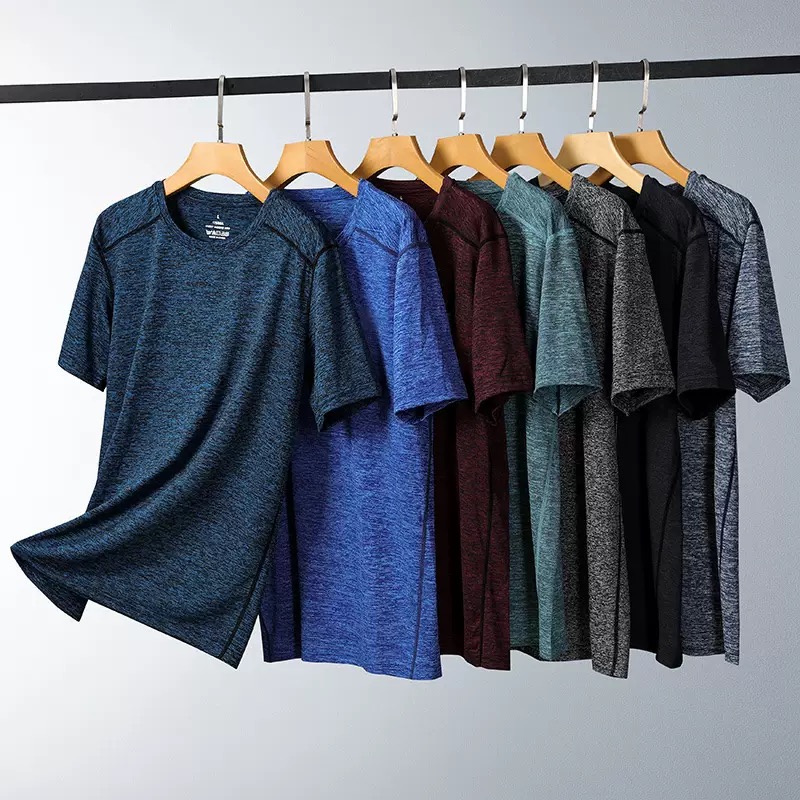
Cationic fabric is most useful when the garment needs both visual texture and practical wearability.
Common applications include:
- Sportswear T-shirts
- Training tops
- Athleisure garments
- Lightweight hoodies
- Casual knitwear
- Polar fleece jackets or blankets
- Bonded fleece products
- Custom knit fabric programs
For sportswear, buyers usually focus on stretch, moisture management, handfeel and color consistency. For fleece, they usually focus on warmth, brushing quality, pilling resistance and wash performance.
Explore related activewear fabric programs or browse the WellDoneTex fabric collection.
Sourcing Checklist Before Requesting Samples
Before contacting a supplier, prepare these details:
| Item | What To Prepare |
|---|---|
| Product use | T-shirt, sportswear, fleece, hoodie, lining or other use |
| Fabric type | Single jersey, mesh, fleece, bonded fabric or another construction |
| Composition | Polyester, polyester-spandex or target blend |
| GSM | Target weight or acceptable range |
| Width | Required usable width |
| Color target | Color reference, Pantone, fabric swatch or image |
| Stretch | Direction and performance requirement |
| Finishing | Quick-dry, brushed, anti-pilling, peached or other finishing |
| Testing | Colorfastness, pilling, shrinkage, wash stability, certification needs |
| Quantity | Sample yardage and bulk order estimate |
The more specific the request, the easier it is for the supplier to recommend the right cationic fabric and prepare meaningful samples.
FAQ
Is cationic fabric the same as melange fabric?
Not exactly. Cationic fabric usually refers to a dyeing behavior or yarn combination that creates a two-tone or heather-like effect. Melange fabric usually refers to a mixed-color yarn or blended appearance created before knitting. They can look similar, but the production route is different.
Is cationic fabric good for sportswear?
Yes, cationic knit fabric can be suitable for sportswear when the construction, GSM, stretch, recovery and finishing match the product requirements. Buyers should confirm performance details instead of judging by color effect alone.
Can cationic fabric be made with spandex?
Yes, many cationic knit fabrics can include spandex for stretch. The buyer should confirm stretch direction, recovery, handfeel and wash stability.
What should buyers check in cationic lab dips?
Check color effect, shade direction, surface consistency, handfeel, contrast between yarns and whether the result matches the target product look. For bulk orders, the approved lab dip should become the production reference.
Is cationic fabric only used for fleece?
No. Cationic effects can be used in single jersey, mesh, fleece, bonded fabric and other knit constructions. The best fabric type depends on the garment use.
Practical Next Step
If you are developing sportswear, T-shirts, athleisure or fleece products with a heather or two-tone appearance, prepare your target GSM, composition, color reference and application first. WellDoneTex can help review the requirement and recommend cationic knit fabric options for sample development.