Quick Answer
Before asking for a quote or a sample, buyers should usually send the end use, fabric type, composition, GSM range, usable width, finishing requirement, color direction, MOQ context and the next step they want from the supplier. The clearer the request, the easier it is to receive a sample or quote that matches the real program.
A fabric specification checklist is the minimum set of technical and commercial details a buyer should send before asking a supplier for a sample or a quote. It usually includes end use, fabric type, composition, GSM, width, finishing, color direction, MOQ context and the next action required from the supplier.
Why Vague Fabric Inquiries Slow Down Quotes And Sampling
Many fabric inquiries lose time before sampling even starts. The issue is usually not response speed. The issue is that the request is too vague.
If a buyer only asks for “price for fleece fabric” or “please send samples,” the supplier still has to guess the weight, composition, width, finishing, color direction and end use. That usually leads to the wrong sample, a weak price comparison or too many follow-up emails.
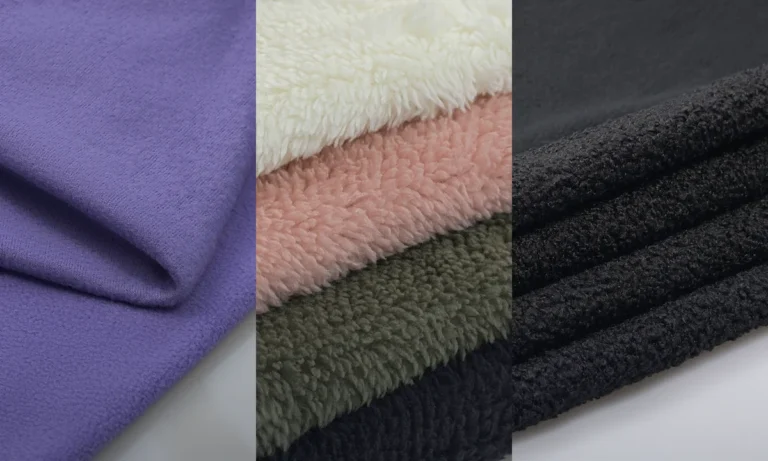
Two buyers can ask for the same fabric name and still want different constructions. One team may ask for fleece for a heavyweight hoodie, while another needs a lighter thermal lining fabric. One team may care most about warmth and anti-pilling, while another cares more about stretch, softness or color development.
That guess creates three common problems:
- The sample looks acceptable but is not right for the intended use.
- The quoted price is based on a different construction.
- The project loses time in repeated clarification rounds.
The Core Fabric Specification Checklist Buyers Should Send
Below is the minimum checklist most apparel buyers should send before requesting a sample or a quote.
| Inquiry Item | What The Buyer Should Send | Why The Supplier Needs It |
|---|---|---|
| End use | Hoodie, jacket lining, leggings, tee, blanket or other | Construction depends on the final garment or product. |
| Fabric type | Polar fleece, coral fleece, jersey, interlock, recycled knit or other | Avoids wrong category assumptions. |
| Composition | Polyester, cotton blend, spandex, recycled content or other | Affects handfeel, performance, compliance and cost. |
| GSM | Target GSM or acceptable range | Prevents price comparisons across different weights. |
| Width | Required finished width | Affects yield and garment planning. |
| Finish | Anti-pilling, brushing, peaching, moisture management, print readiness or other | Changes performance and appearance. |
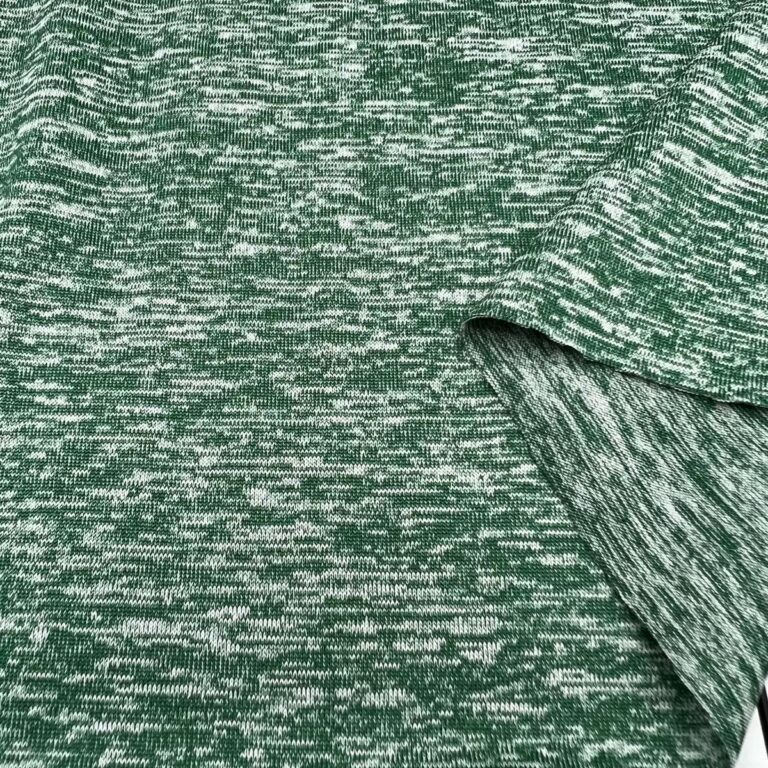
| Color direction | Pantone, stock color, melange effect, print plan or lab dip need | Guides development path. |
| MOQ context | Sample, development, trial order or bulk planning | Sets commercial expectations. |
| Performance concern | Shrinkage, colorfastness, stretch, recovery, warmth or softness | Helps the supplier prioritize testing and options. |
| Next step | Sample request, quote request or custom development | Clarifies the response needed. |
How The Checklist Changes By End Use
The same checklist should not be used mechanically for every program. For fleece programs, buyers often care most about GSM, warmth, brushing, anti-pilling and garment use. For activewear programs, stretch, recovery, opacity and moisture-management language may matter more. For recycled programs, the buyer may also need recycled-content and certification expectations before sampling.
A useful inquiry is specific enough to guide the supplier, but not so rigid that it blocks practical alternatives.
Example 1: Fleece Inquiry
If the buyer is sourcing fleece for hoodies, a stronger request might include:
- End use: heavyweight hoodie
- Fabric type: polar fleece
- Target GSM: 280-320gsm
- Composition: 100% polyester
- Finish: anti-pilling preferred
- Width: required finished width
- Next step: sample review before quote comparison
That is much stronger than simply asking for “polar fleece price.” If the buyer is still comparing fleece directions, a natural path is to review what polar fleece is and then move into thermal fleece fabric options.
Example 2: Activewear Inquiry
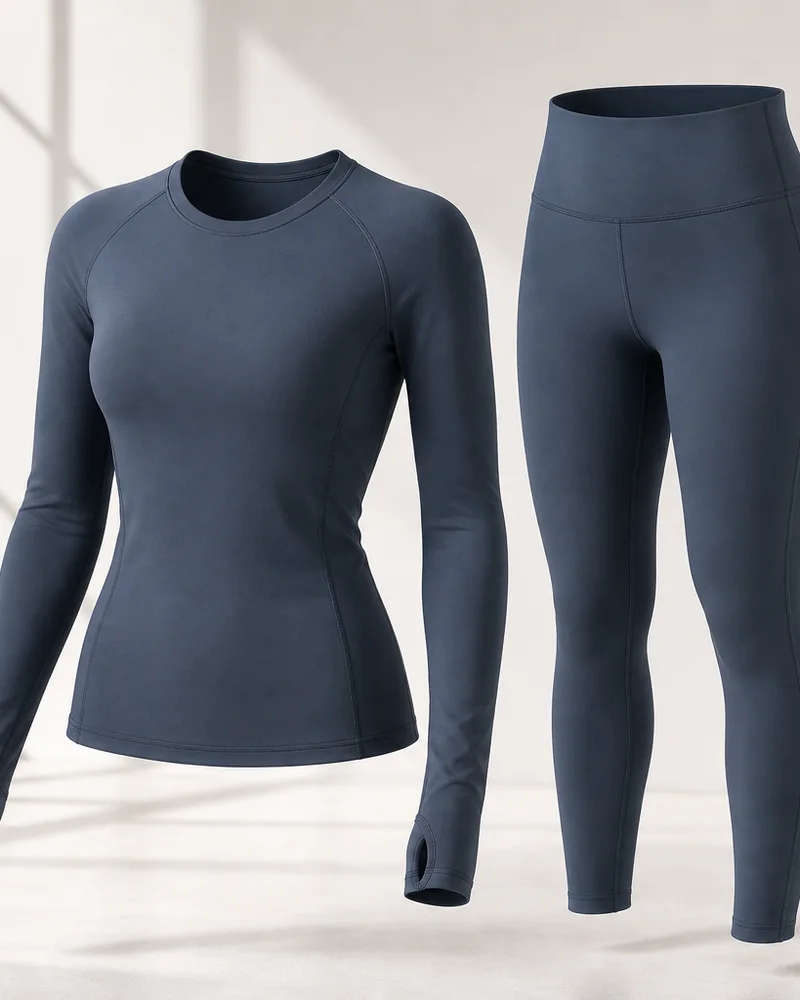
If the buyer is sourcing fabric for leggings or training tops, the request may need:
- End use: activewear bottoms or tops
- Composition target with spandex content
- GSM range based on opacity and compression needs
- Stretch and recovery expectations
- Finish or handfeel priorities
- Sample or swatch requirement before costing
That internal route should point buyers toward activewear fabric options.
Example 3: Recycled Fabric Inquiry
If the buyer is sourcing a recycled knit fabric, the request should usually add recycled-content direction, whether certification documents are required, end-use requirement, handfeel or performance expectations, and whether the team needs sample review first or commercial costing first.
That route should point buyers toward recycled knit fabric options.
Common Mistakes Before Requesting A Quote Or Sample
The most common mistakes are simple:
- Asking for a price without a GSM range.
- Using a broad fabric name without the final garment use.
- Not saying whether the request is for sampling, development or bulk planning.
- Mixing handfeel goals with performance goals without ranking priorities.
- Sending a sample request without clarifying finish, width or composition direction.
These mistakes do not just slow down the supplier. They also make internal review harder because the team ends up comparing samples that were never aligned to the same target.
Should Buyers Ask For A Sample Before Asking For A Quote?
Usually, the answer is not one or the other. Buyers should first send a usable specification checklist, then decide whether they need a sample first, a quote first, or both in parallel.
If the construction is still uncertain, sample-first often makes sense. If the construction is already clear, a supplier may be able to provide a working quote direction at the same time as sample preparation.
Buyer-Ready Checklist
Before sending your inquiry, make sure the message covers:
- What the fabric will be used for
- Which fabric type you want first
- Your target composition
- Your GSM range
- Your width requirement
- Any key finish or performance need
- Color or print direction
- Whether this is for sample review, quote comparison or development
That short list usually improves response quality more than a longer but less specific email. For broader category comparison, review the fabric series overview.
FAQ
What fabric specs should buyers send before asking for a quote?
Buyers should usually send end use, fabric type, composition, GSM, width, finish, color direction, MOQ stage, performance concerns and the next action they want from the supplier.
What should be included in a fabric sample request?
A good sample request should include the target fabric category, intended use, weight range, composition direction, finish and whether the sample is for approval, comparison or development.
Why are GSM and width important in fabric sourcing?
GSM and width affect cost, yield, garment fit and construction suitability. Without them, price comparisons are often misleading.
Should buyers ask for a quote before requesting samples?
If the construction is already defined, buyers can ask for both at the same time. If the construction is still uncertain, reviewing the sample first is usually safer.
What makes a fabric inquiry more accurate?
Accuracy improves when the buyer combines technical details with context: end use, performance needs, finish, order stage and the exact next step required.
Practical Next Step
If your team already has a target fabric in mind, send the specification checklist through the sample request form so the first response can be closer to the right construction. Buyers comparing fleece, activewear or recycled knit programs can also review the relevant series pages first to narrow the request.
Send your fabric specs or sample target through the sample request form.