Sourcing fleece fabric from China can be straightforward when the buyer knows what to specify. The difficulty usually starts when an inquiry is too general: “Please quote fleece fabric,” “Need hoodie fleece,” or “Send best price.” Fleece is not one fabric. It can vary by fiber composition, GSM, knitting structure, brushing level, anti-pill treatment, width, color, shrinkage control, and certification requirement.
For apparel buyers, the goal is not simply to find the lowest meter price. The real goal is to find a fleece fabric that works for the garment, stays consistent in bulk production, passes the right tests, and arrives within the required production window.
This guide explains the key checkpoints buyers should confirm before sourcing fleece fabric from China.
Start with the End Garment
Before asking for price, define the garment and use case. A fleece fabric for a low-cost promotional hoodie is not the same as fleece for outdoor layering, children’s wear, loungewear, blankets, or bonded winter jackets.
The end use affects almost every technical decision:
| Garment Type | Common Buyer Priority | Fabric Notes |
|---|---|---|
| Hoodies and sweatshirts | Soft handfeel, stable GSM, low shrinkage | Midweight fleece is often preferred for comfort and structure |
| Outdoor jackets | Warmth, anti-pill, durability | Brushing quality and pilling resistance matter more |
| Loungewear | Softness, drape, skin comfort | Handfeel and colorfastness are key |
| Kidswear | Safety, softness, testing | Certification and chemical compliance should be checked early |
| Blankets | Warmth, plush surface, cost control | Higher pile or coral fleece may be considered |
| Promotional garments | Price, color availability, lead time | Confirm the construction, quantity and production plan for the made-to-order program |
A good supplier should ask what the fabric is used for. If a supplier quotes immediately without asking about garment type, GSM, width, color, and performance requirements, the quote may not be reliable.
For product reference, buyers can review WellDoneTex’s Polar Fleece page and broader Thermal Series category before preparing an inquiry.
Key Specs to Prepare Before Asking for a Quote
A clear inquiry saves time and reduces wrong sampling. Buyers do not need to have every technical detail finalized, but the following information helps the supplier recommend the right fleece:
| Spec | Why It Matters |
|---|---|
| Composition | 100% polyester, recycled polyester, cotton/poly, spandex blend, or other mix |
| GSM | Affects warmth, cost, drape, and garment structure |
| Width | Impacts fabric consumption and cutting efficiency |
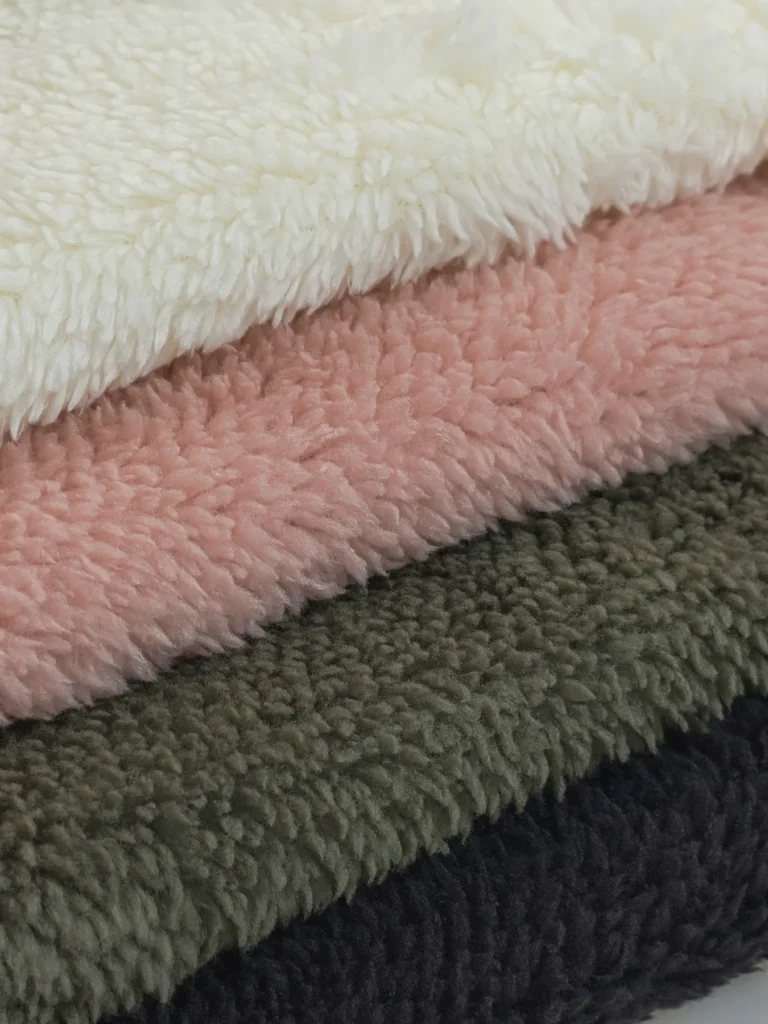
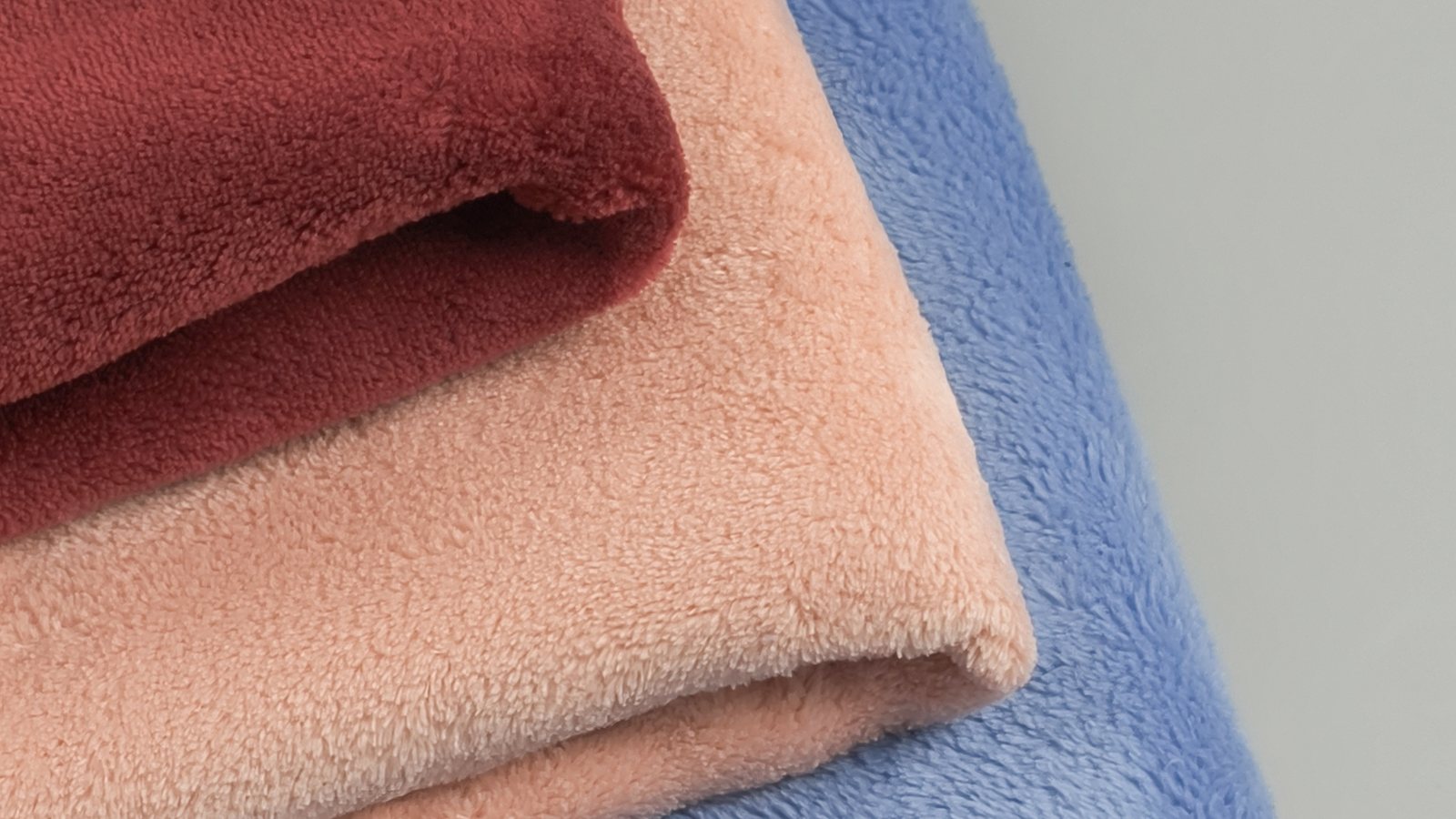
| Construction | Polar fleece, micro fleece, sherpa, coral fleece, bonded fleece, or other type |
| Brushing | One-side brushed or two-side brushed |
| Surface finish | Anti-pill, peach, soft finish, water-repellent, bonded, printed, etc. |
| Color | Buyer color code, agreed color standard, lab dip, or custom dyeing |
| Quantity | Total meters or kilograms, and quantity per color |
| Testing | Pilling, shrinkage, colorfastness, GSM, width, restricted substances |
| Certification | OEKO-TEX, GRS, ISO, or customer-specific compliance |
| Delivery market | EU, US, Bangladesh, Southeast Asia, domestic China, etc. |
| Target use | Hoodie, jacket, blanket, kidswear, activewear, uniform, or promotion |
The more specific the inquiry, the more useful the quote. If the buyer has a tech pack, original sample, swatch, or previous bulk fabric report, it is worth sharing early.
MOQ: What Buyers Should Expect
MOQ for fleece fabric is usually affected by color, yarn, dyeing, finishing, and whether the fabric is a standard item or a custom development.
WellDoneTex supplies made-to-order fabric and does not supply stock fabric. Its usual planning basis is 1,000 kg per order and typically 400 kg per color, subject to confirmation for the specific fabric and color program. Check both the total order weight and each color allocation, and confirm whether different fabric lines may be combined toward the same order minimum. If quantities are discussed in meters, agree on the conversion basis using the specified GSM and finished width rather than treating meters and kilograms as interchangeable.
| MOQ Factor | Buyer Impact |
|---|---|
| Custom color | Usually requires lab dip and dye lot production |
| Special yarn | May increase MOQ and lead time |
| Recycled polyester | Certification and yarn sourcing need to be confirmed |
| Anti-pill treatment | May require finishing setup and testing |
| Printed or bonded fleece | MOQ may be higher because of extra processing |
| Trial order | Ask whether the proposed quantity can be accepted and request its quotation basis |
| Multiple colors | Confirm both the total-order minimum and each color minimum |
Buyers should be careful with very low MOQ promises. Low MOQ can be useful for testing a new style, but it may come with trade-offs: higher price, limited colors, less flexibility in finishing, or difficulty repeating the same shade in future bulk orders.
A practical question to ask is: “May different fabric lines be combined toward this order minimum, and what minimum applies to each color?”
Record the supplier’s answer for the specific program before finalizing the color allocation.
GSM Selection: How Weight Affects Use and Cost
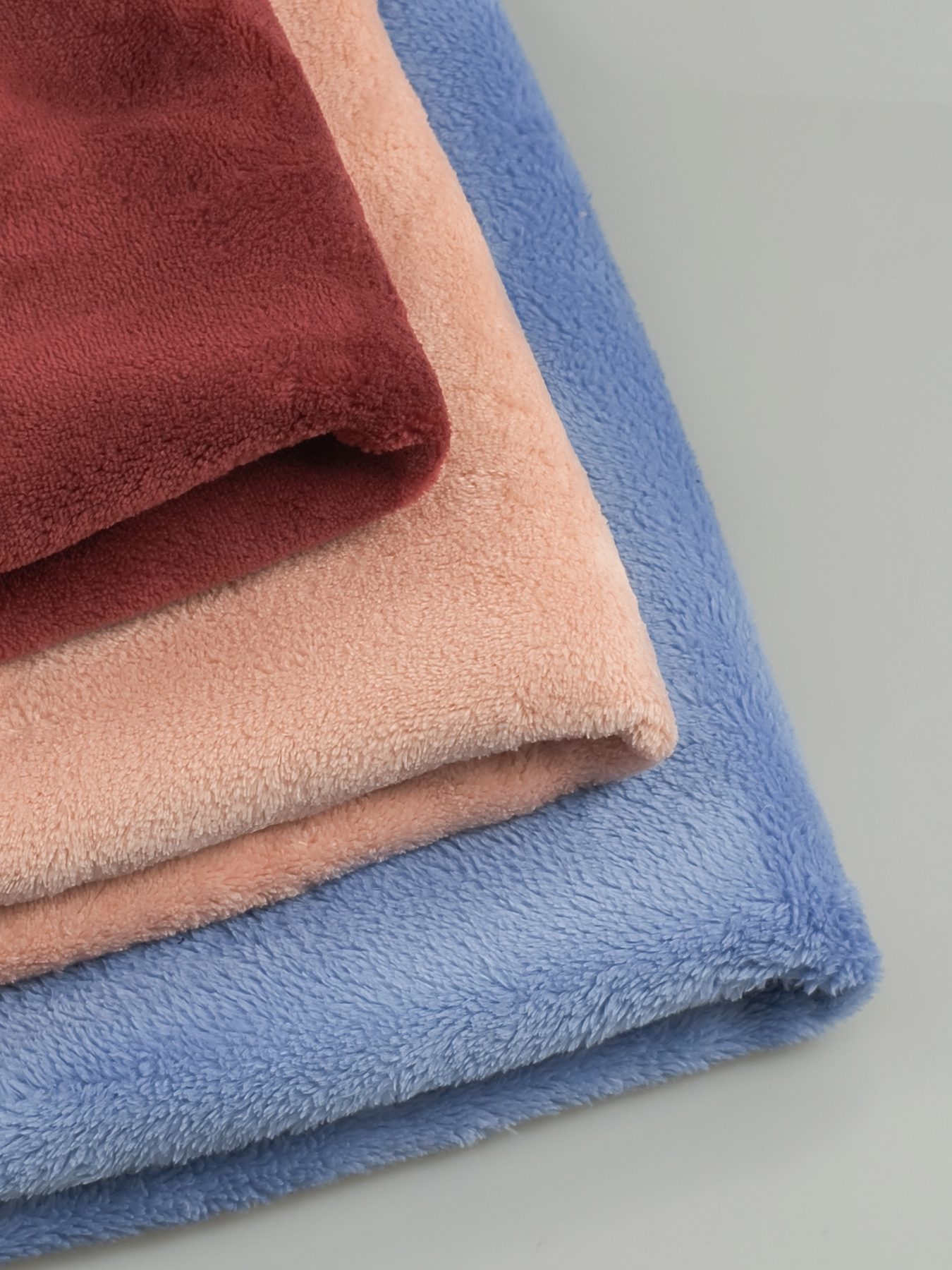
GSM means grams per square meter. It is one of the most important specifications for fleece fabric because it affects warmth, thickness, price, shipping weight, cutting behavior, and final garment feel.
| GSM Range | Common Use | Buyer Notes |
|---|---|---|
| 150-180gsm | Lightweight lining, light layer, budget fleece | Easier to ship and cut, but less warmth and structure |
| 200-240gsm | Hoodies, casual sweatshirts, loungewear | Balanced option for many apparel programs |
| 260-300gsm | Warmer hoodies, jackets, outdoor layers | Better warmth and body, but higher fabric cost |
| 300gsm+ | Heavy hoodies, winter garments, blankets | Stronger warmth perception, but bulkier in cutting and shipping |
GSM should not be chosen only by price. A lower GSM may reduce fabric cost, but it can make the garment feel too thin. A higher GSM may improve warmth, but it can affect sewing, packing volume, and shipping cost.
Buyers should also confirm GSM tolerance. For example, a 280gsm fleece may not be exactly 280gsm in every roll. The supplier and buyer should agree on acceptable tolerance before bulk production.
Testing and Performance Checkpoints
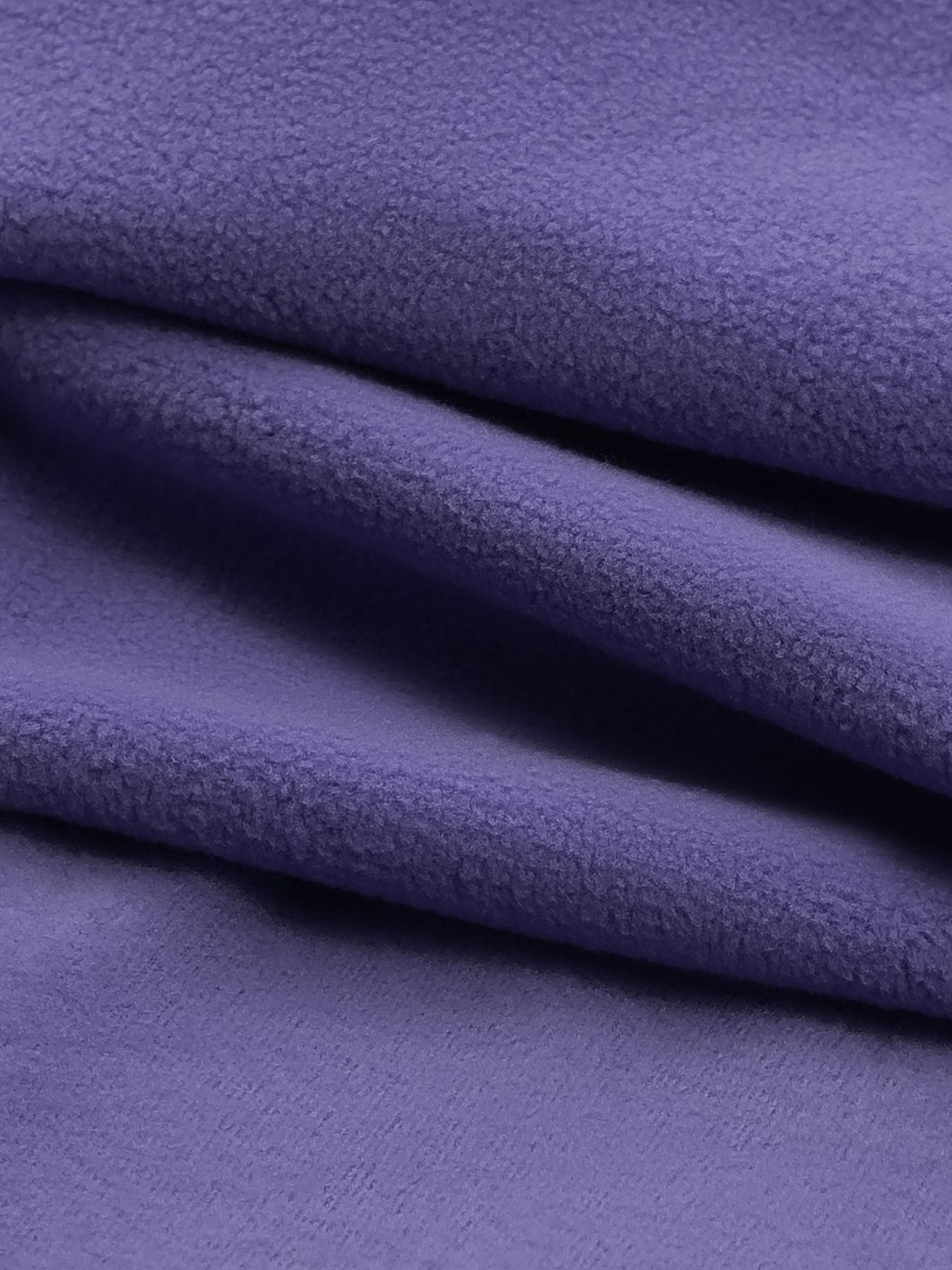
Fleece fabric quality is strongly influenced by finishing. Two fabrics with similar GSM and composition can feel very different after brushing, shearing, anti-pill treatment, and heat setting.
| Checkpoint | What to Confirm |
|---|---|
| Pilling resistance | Especially important for hoodies, jackets, loungewear, and outdoor apparel |
| Colorfastness to washing | Helps prevent fading and staining after laundry |
| Colorfastness to rubbing | Important for dark colors and bright shades |
| Shrinkage | Must match garment washing and sewing requirements |
| GSM | Check actual weight against approved standard |
| Width | Impacts cutting consumption and marker planning |
| Handfeel | Must match buyer-approved sample |
| Brushing consistency | Surface should not vary too much between rolls |
| Shade consistency | Bulk should match approved lab dip or color standard |
| Skewing and bowing | Important for cutting and garment appearance |
| Certification | OEKO-TEX, GRS, or customer-required documents if needed |
Do not approve bulk production only from phone photos. Photos can help with communication, but they cannot confirm handfeel, GSM, shrinkage, or pilling. For new fleece programs, buyers should request physical samples, lab dips, and clear testing standards.
If the fabric is recycled polyester fleece, buyers should confirm whether GRS documentation is needed before order placement. Certification requirements should be discussed early, not after bulk fabric is finished.
Lab Dips, Development Cuttings and Bulk Approval
Color approval is one of the most common sources of delay in fleece fabric sourcing. The usual process is:
- Buyer sends Pantone number, color standard, or original swatch.
- Supplier develops lab dips.
- Buyer reviews under proper light source.
- Buyer approves one option or requests adjustment.
- Supplier proceeds to bulk dyeing based on approved standard.
For fleece, the brushed surface may visually affect color depth. A shade can look different before and after brushing. If the garment uses panels from different fabric lots, shade control becomes even more important.
A practical buyer checkpoint is to keep one approved lab dip or cutting as the sealed standard. Bulk fabric should be compared against that standard, not against a phone image or verbal description.
Lead Time: Development, Production and Shipping
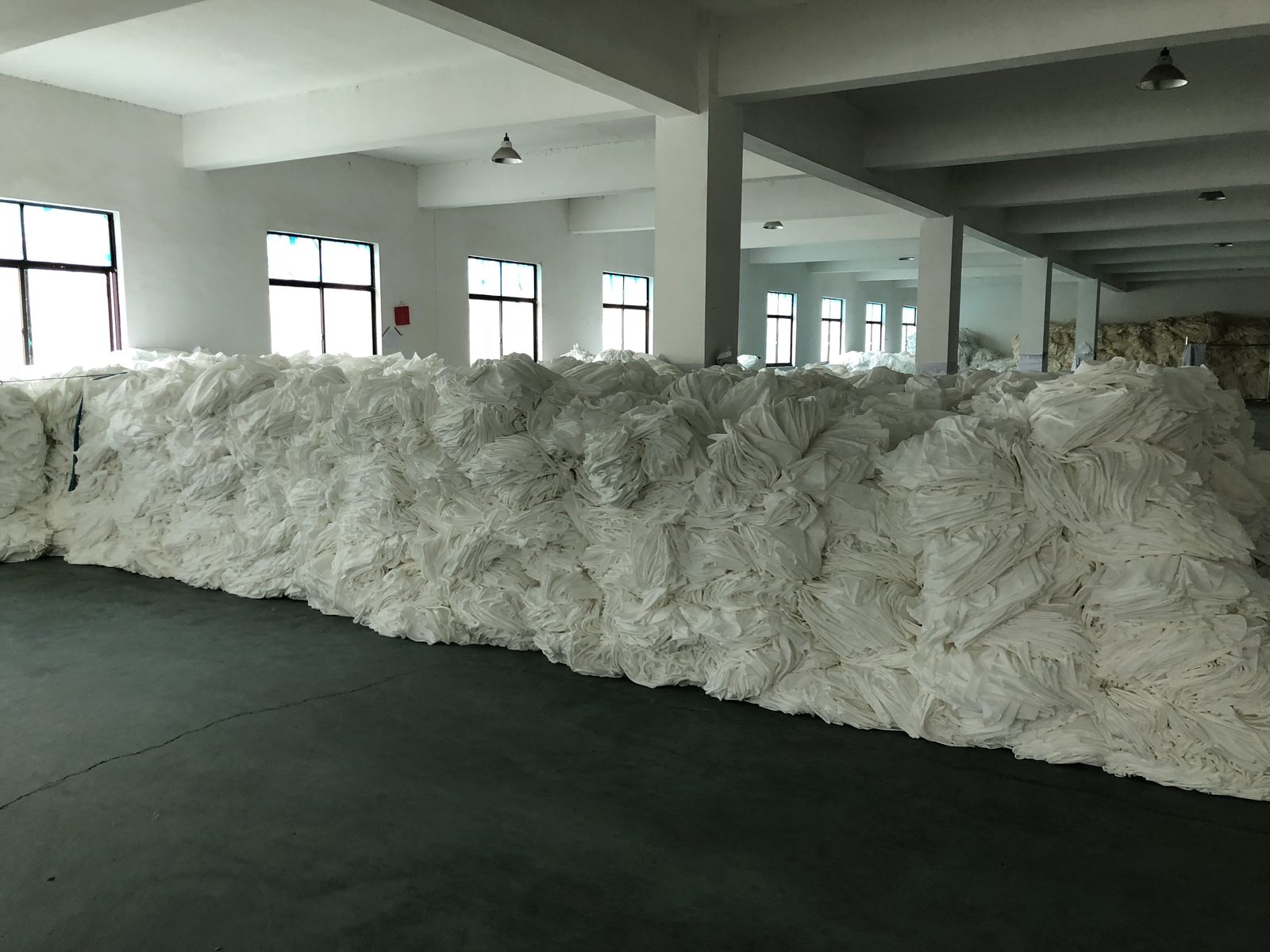
Lead time depends on yarn availability, color approval, production capacity, finishing process, testing, inspection, and shipping method.
| Stage | Timing to Confirm | Buyer Responsibility |
|---|---|---|
| Inquiry review | Confirm the response date after supplying the required information | Send clear specs and quantity |
| Sample or swatch preparation | Confirm preparation and dispatch dates for the requested sample | Confirm handfeel, GSM, and construction |
| Lab dip | Confirm the development schedule and any revision rounds | Review color under correct lighting |
| Bulk production | Confirm the production window and the approvals or payment conditions that start it | Approve sample, deposit, and final specs |
| Testing and inspection | Confirm the schedule for the agreed tests and inspection scope | Confirm test requirements early |
| Packing and export | Depends on destination and shipping method | Confirm labels, roll packing, and documents |
Ask WellDoneTex through the Contact page to confirm sample preparation, dispatch and bulk production timing for the quoted fabric program. Record the agreed start conditions, approval milestones and shipment-readiness date separately from transit time. Timing is quotation-specific; this guide does not establish a standard sample or production turnaround.
Incomplete specifications, late color approval, changes to GSM after sampling, or late additions to testing and documentation requirements can affect the agreed schedule. Reconfirm timing when the scope changes.
Roll Checks Before Shipment

Inspection should happen before the fabric leaves the factory. For fleece fabric, inspection is not only about visible defects. Buyers should also check consistency across rolls.
Key inspection points include:
- Roll length and roll weight
- Fabric width
- GSM
- Shade consistency
- Surface brushing
- Holes, stains, oil marks, creases, and uneven pile
- Edge condition
- Packing method
- Roll labels and shipping marks
- Test report availability if required
For apparel factories, inconsistent fabric can create cutting problems. If the first roll feels soft and thick but later rolls feel thin or uneven, garment production may suffer. This is why approval standards and roll inspection are important.
How to Compare Fleece Fabric Suppliers
A low price is useful only if the fabric is consistent and the supplier can deliver. When comparing suppliers, buyers should look beyond the first quotation.
A reliable fleece supplier should be able to answer these questions:
| Question | Why It Matters |
|---|---|
| Can you recommend GSM based on garment use? | Shows technical understanding |
| Can you provide physical samples? | Reduces risk before bulk |
| What is the MOQ per color? | Prevents misunderstanding |
| Can you support anti-pill finishing? | Important for long-term garment appearance |
| What tests can you arrange? | Helps buyer meet market requirements |
| Do you control shade and GSM tolerance? | Protects bulk consistency |
| Can you provide GRS or OEKO-TEX documents if needed? | Important for compliance |
| How do you pack rolls for export? | Affects warehouse handling and garment factory use |
| Can you support Bangladesh or overseas garment production? | Useful when fabric and garment making happen in different countries |
The right supplier should help the buyer make better fabric decisions, not only send a price list.
Common Buyer Mistakes to Avoid
Many fleece sourcing problems can be prevented early. Watch for these common mistakes:
- Asking only for “best price” without confirming GSM and finish
- Comparing quotes without checking width, composition, or brushing
- Approving color from a phone photo
- Ignoring shrinkage before garment production
- Not confirming both the total-order minimum and each color minimum
- Changing GSM after lab dip or sample approval
- Requesting certification after bulk production is complete
- Skipping pilling tests for garments that will be washed often
- Not keeping an approved physical standard
- Forgetting packing, roll length, and shipping requirements
A cheaper fabric can become expensive if it causes garment defects, delivery delays, or buyer claims.
Practical Inquiry Checklist
Before contacting a fleece fabric supplier, prepare this checklist:
| Inquiry Item | Buyer Input |
|---|---|
| Fabric type | Polar fleece, micro fleece, sherpa, coral fleece, bonded fleece, etc. |
| End garment | Hoodie, jacket, blanket, loungewear, kidswear, outdoor layer |
| Composition | Polyester, recycled polyester, cotton blend, spandex blend |
| GSM | Target GSM or reference sample |
| Width | Required usable width |
| Color | Buyer color code, agreed color standard, lab dip, or sample matching |
| Quantity | Total quantity and quantity per color |
| Finish | Anti-pill, brushed one side, brushed two sides, water-repellent, bonded |
| Testing | Pilling, shrinkage, colorfastness, chemical compliance |
| Certification | OEKO-TEX, GRS, ISO, or buyer-specific standard |
| Destination | China, Bangladesh, EU, US, or other market |
| Timeline | Sample deadline, bulk delivery date, shipping method |
| Reference | Tech pack, garment photo, fabric swatch, previous order spec |
A good inquiry does not need to be perfect, but it should be clear enough for the supplier to recommend the right fabric path.
Final Advice for Buyers
Sourcing fleece fabric from China works best when the buyer treats the supplier as a technical partner, not only a price source. The important decisions are connected: GSM affects cost and warmth, finishing affects pilling and handfeel, MOQ affects color planning, and testing affects production risk.
If you are developing hoodies, outdoor layers, loungewear, blankets, or other fleece garments, start with the garment requirement first. Then confirm GSM, composition, finish, MOQ, sample process, testing, and lead time before bulk production.
WellDoneTex supplies fleece and knit fabrics for apparel buyers, sourcing teams, and garment manufacturers. Send your fabric specs, tech pack, or reference sample through the contact page, and the team can recommend suitable GSM, finish, MOQ, sample options, and production lead time for your program.