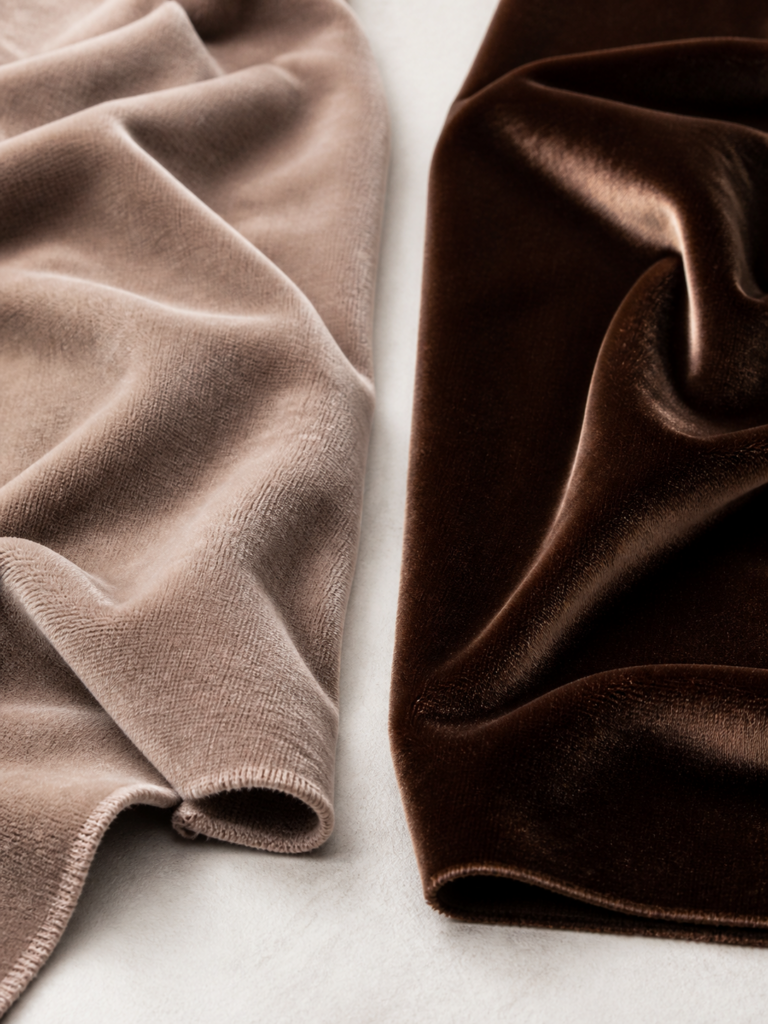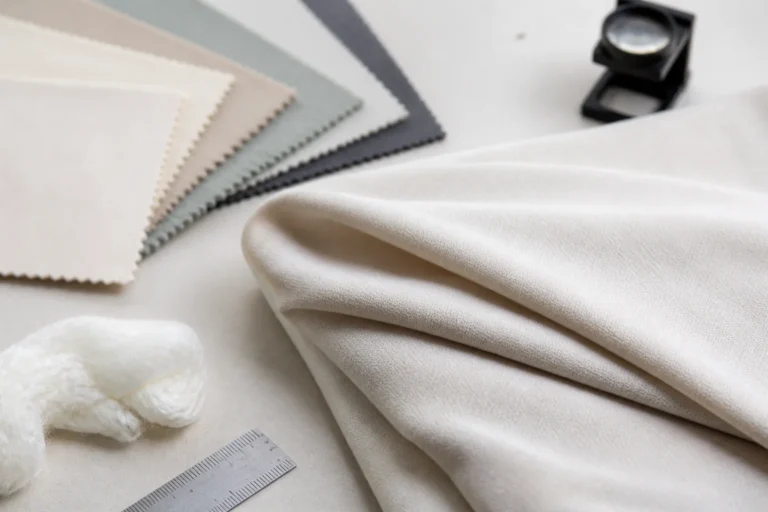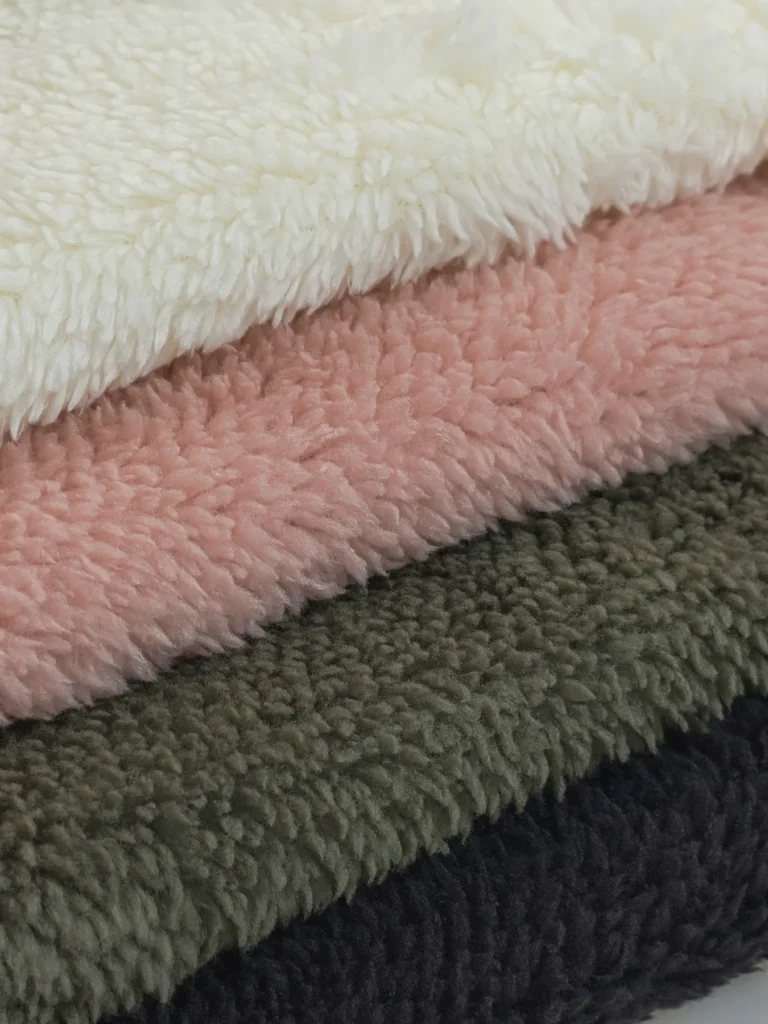
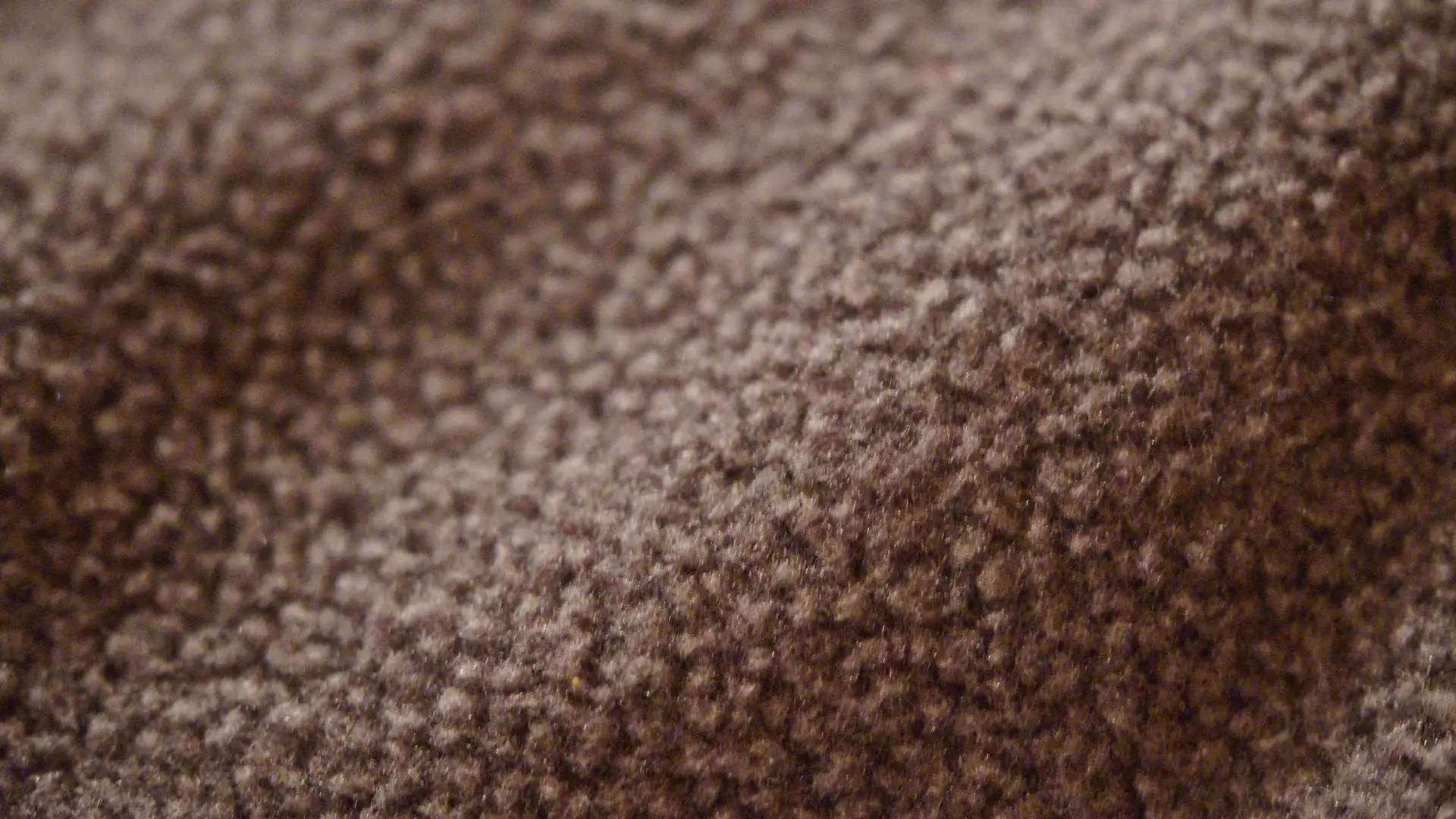
Quick answer: Anti-pill fleece is fleece fabric designed or finished to reduce visible surface pilling after rubbing, washing and regular wear. For apparel buyers, the label should be treated as a sourcing checkpoint, not a shortcut. Before approving a sample or comparing quotes, confirm the end use, GSM, composition, handfeel and how the anti-pilling expectation will be reviewed on the sample.
Anti-pill fleece is often used for hoodies, jackets, linings, warm layers and thermal programs where the surface needs to stay cleaner during use. The right question is not only whether the fabric is called anti-pill. The better question is whether the construction, finish, weight and sample performance match the garment program.
What anti-pill fleece means in B2B sourcing
In sourcing terms, anti-pill fleece usually refers to a fleece construction or finish intended to keep the surface more stable under friction. It can involve yarn choice, brushing, shearing, finishing and overall fabric construction. It does not mean the fabric will never pill. It means buyers should review surface performance together with weight, feel and intended use before approval.
This matters because two fleece samples can look similar in a photo but behave differently after handling, rubbing or washing. A sample with the wrong GSM or finish may feel soft at first, yet fail the buyer’s surface-quality expectation once the garment is worn repeatedly.
When buyers should ask for anti-pilling
Anti-pilling should be discussed early when the fleece will be used in areas with repeated rubbing, visible daily wear or high appearance expectations. Hoodies, jackets, kidswear, active warm layers and visible linings often need this checkpoint before sampling. Blanket-only or low-friction applications may still need it, but the tolerance level can be different.
If the program is part of a broader warm-apparel range, buyers can also compare anti-pill fleece against other thermal fabric options and the wider fabric range before locking the sample direction.
Specs to confirm before requesting samples or quotes
- End use: hoodie, jacket, lining, kidswear, blanket or another program.
- Target GSM or weight range.
- Composition requirement, such as polyester or a blend.
- Expected handfeel, bulk and warmth level.
- Anti-pilling concern or finish request.
- Finished usable width.
- Color direction and whether lab dips are needed.
- Surface expectation: brushing, shearing or other finish details.
- Project stage: sample, trial order, repeat order or bulk production.
- Next action required: sample, quote or custom development discussion.
Clear specifications help the supplier respond with a fabric option that can actually be evaluated. Without GSM, end use and finish expectations, price comparisons are often misleading because the samples may not represent the same quality target.
Sample review table for anti-pill fleece
| Review point | What to check on the sample | Why buyers should care |
|---|---|---|
| Surface appearance | Whether the fleece face stays clean after handling and light rubbing. | Visible surface quality affects approval confidence. |
| Handfeel | Softness, bulk and recovery after compression. | Anti-pilling alone does not guarantee the right feel. |
| Weight | GSM or perceived weight compared with the target range. | Cost and warmth comparisons fail if weights differ. |
| Finish consistency | Brushing, shearing and anti-pill finish appearance. | Surface treatment changes the real performance result. |
| End-use fit | Whether the fabric suits a hoodie, jacket, lining or other program. | A good fabric on paper can still miss the garment goal. |
| Next action | Whether the sample is ready for quote, revision or custom development. | This keeps the sourcing process moving without unclear feedback loops. |
Anti-pill fleece vs other fleece options
Anti-pill fleece is one surface-performance direction inside the larger fleece family. If the buyer is still choosing the base material, start with the practical definition of polar fleece fabric. If the decision is between soft handfeel and thermal structure, compare coral fleece vs polar fleece before finalizing the sample request.
For many sourcing teams, the best workflow is: define the garment use, choose the fleece family, set GSM and surface expectations, then request samples with clear comments on anti-pilling, handfeel and finish.
FAQ
What is anti-pill fleece?
Anti-pill fleece is fleece fabric developed or finished to reduce visible pilling on the fabric surface during use. Buyers should still validate the sample against the actual garment program.
Does anti-pill fleece mean the fabric will never pill?
No. It means the buyer should expect better surface control, not a guarantee of zero pilling in every use case. Performance still depends on construction, finish, garment use and care conditions.
When should buyers ask for anti-pilling?
Ask for anti-pilling when the program involves repeated rubbing, visible surface wear or a cleaner finish expectation for hoodies, jackets, linings, kidswear or similar apparel.
What should buyers check on an anti-pill fleece sample?
Check surface appearance, handfeel, GSM, finish consistency and whether the sample fits the real end use rather than approving it on softness alone.
What specs should buyers send before requesting a quote?
Send end use, target GSM, composition, finish expectation, width, color direction and whether the next step is a sample, quote or development discussion.
Next step for buyers
If your program needs fleece with controlled surface quality, share the end use, target GSM, composition, color direction and sample stage with WellDoneTex. You can review thermal fleece fabric options or request a sample discussion with the details your sourcing team already has.
{ “@context”: “https://schema.org”, “@type”: “FAQPage”, “mainEntity”: [ { “@type”: “Question”, “name”: “What is anti-pill fleece?”, “acceptedAnswer”: { “@type”: “Answer”, “text”: “Anti-pill fleece is fleece fabric developed or finished to reduce visible surface pilling during rubbing, washing and repeated wear. Buyers should still validate the sample against the actual garment program.” } }, { “@type”: “Question”, “name”: “Does anti-pill fleece mean the fabric will never pill?”, “acceptedAnswer”: { “@type”: “Answer”, “text”: “No. Anti-pill fleece means the fabric is designed for better surface control, not that it is immune to pilling in every use case.” } }, { “@type”: “Question”, “name”: “When should buyers ask for anti-pilling in a fleece inquiry?”, “acceptedAnswer”: { “@type”: “Answer”, “text”: “Buyers should ask for anti-pilling when the program involves repeated rubbing, visible surface wear or clean appearance expectations for hoodies, jackets, linings, kidswear or similar apparel.” } }, { “@type”: “Question”, “name”: “What should buyers check on an anti-pill fleece sample?”, “acceptedAnswer”: { “@type”: “Answer”, “text”: “Buyers should check surface appearance, handfeel, GSM, finish consistency, recovery after handling and whether the fabric fits the real end use.” } }, { “@type”: “Question”, “name”: “Which fabric specs matter before requesting a quote?”, “acceptedAnswer”: { “@type”: “Answer”, “text”: “The most useful specs are end use, target GSM, composition, width, color direction, finish expectation, anti-pilling requirement and whether the next step is a sample, quote or custom development.” } } ] }