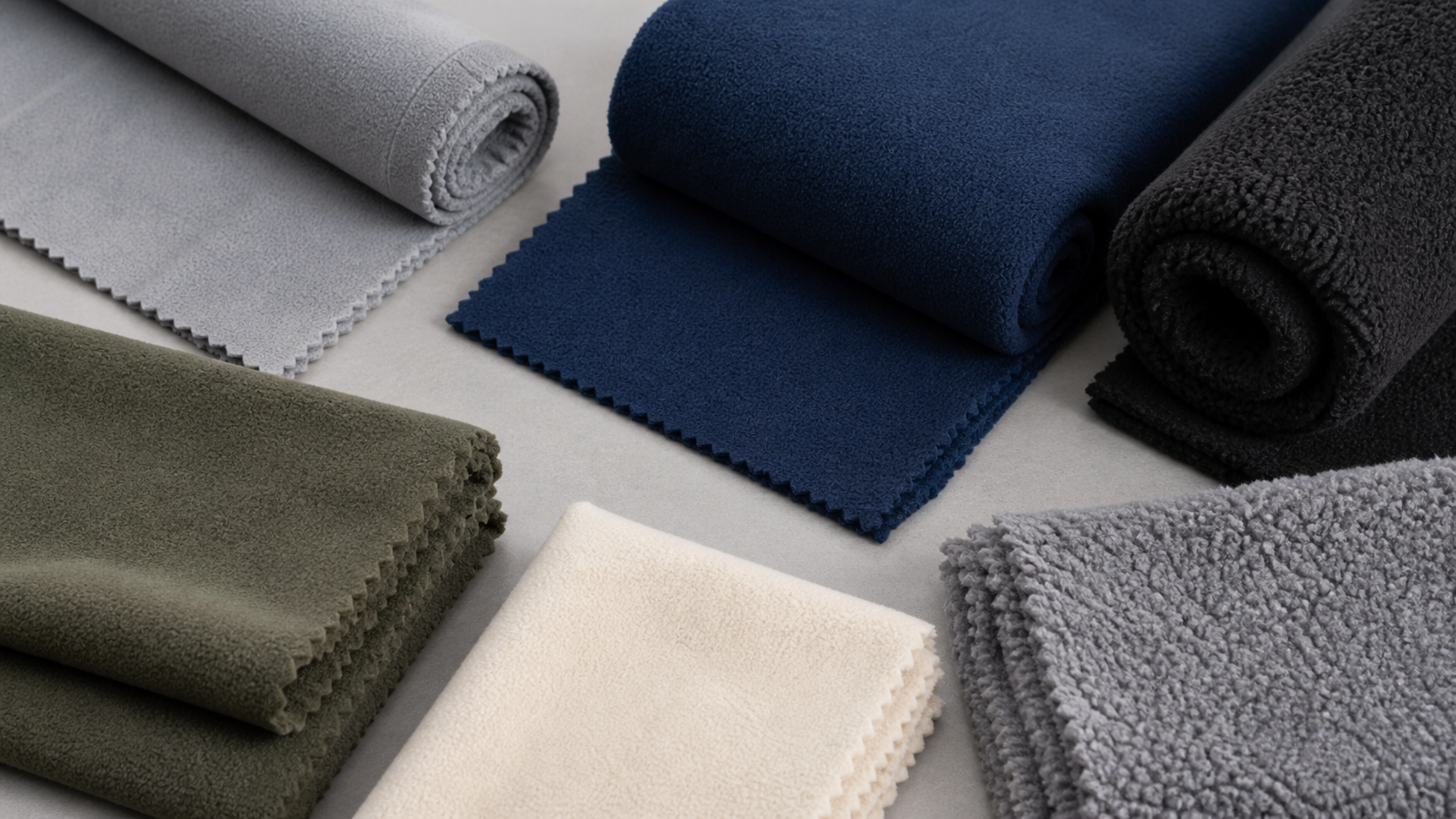
Quick answer: The main types of polar fleece differ by weight, surface texture, brushing, bonding, stretch and finish. For buyers, the best choice depends on garment use: lightweight micro fleece for linings, midweight anti-pill fleece for hoodies, bonded fleece for structured warmth, and sherpa-style or plush fleece when bulk and handfeel matter more than a clean flat surface.
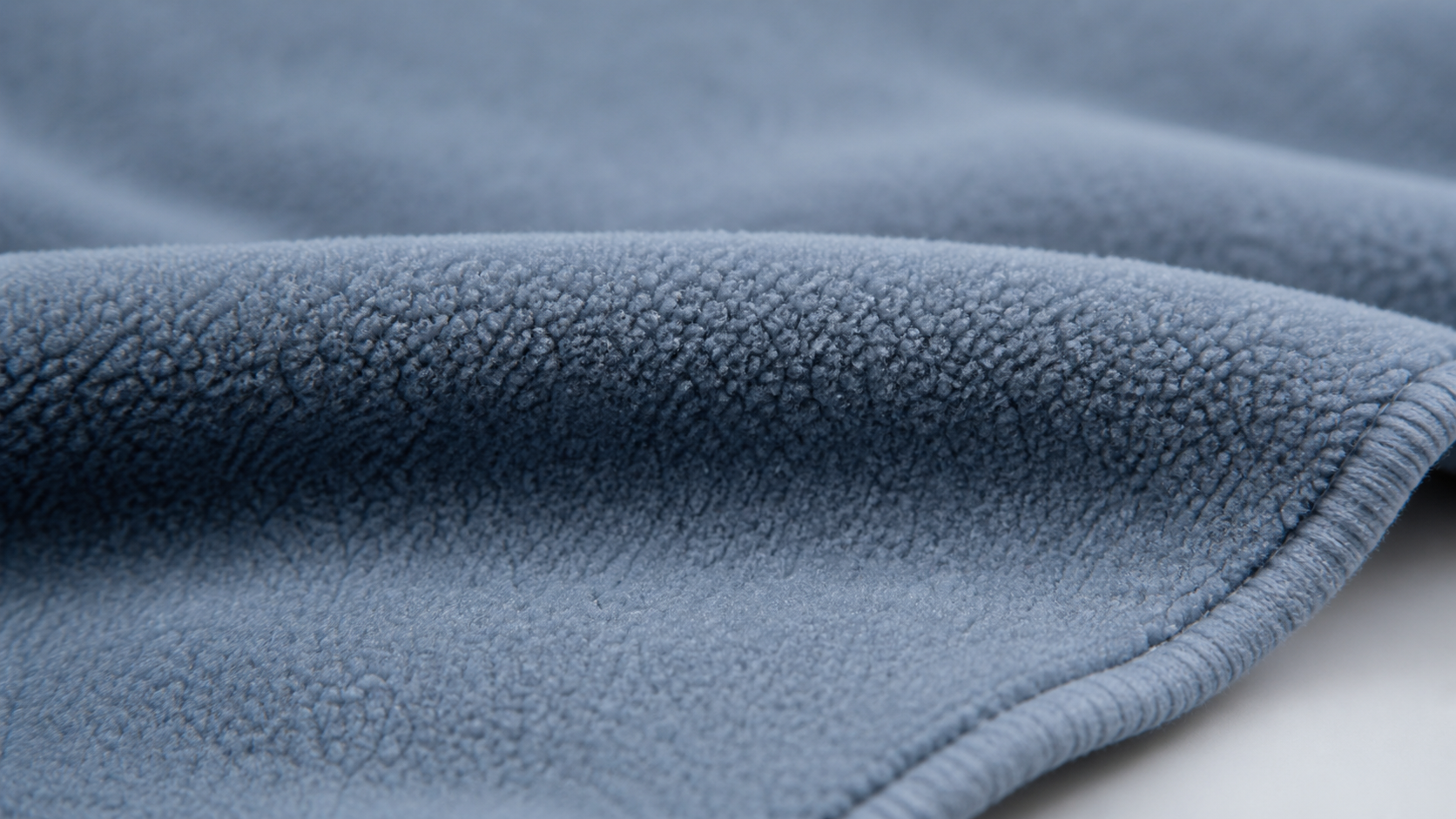
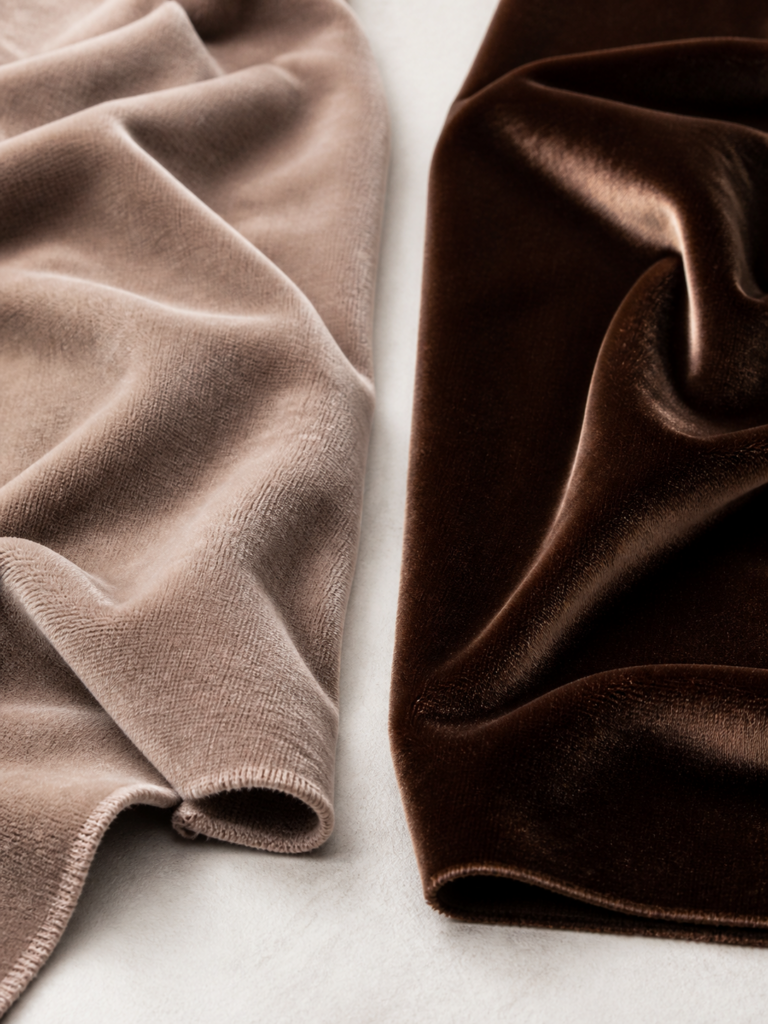
Polar fleece is not one single fabric specification. Two samples can both be called polar fleece but feel, drape and perform differently because of GSM, brushing, pile height, finish and construction. For sourcing teams, the practical task is to match the fleece type to the end use before comparing prices or approving samples.
This guide explains the common polar fleece types buyers may see in supplier discussions and what to confirm before requesting a quote or sample.
What Changes Between Polar Fleece Types?
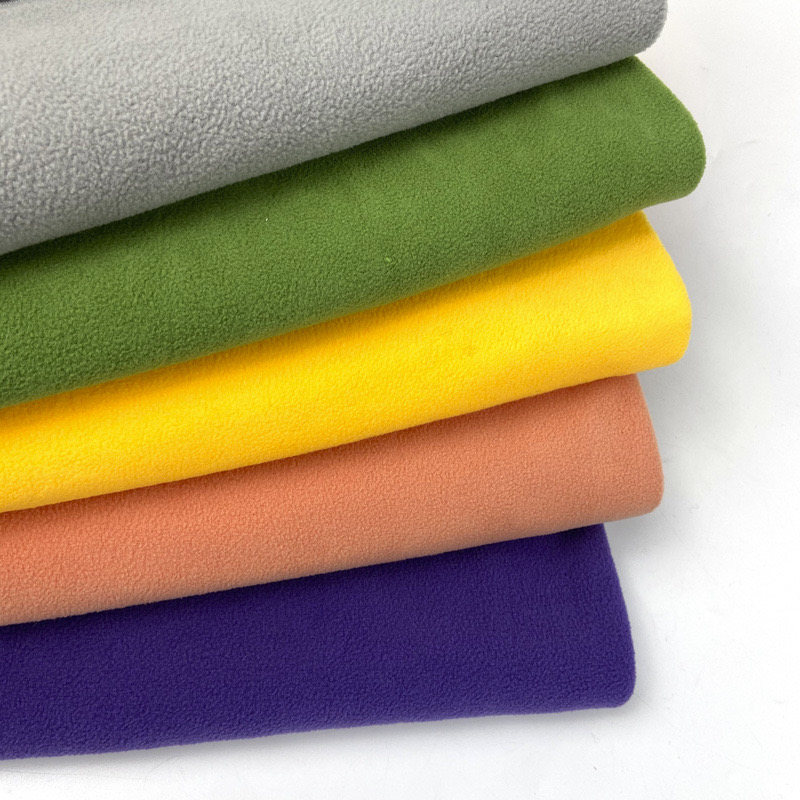
Polar fleece types usually vary across five sourcing factors: GSM or weight range, surface texture, pile height, brushing or shearing method, stretch or bonding construction, and finish requirements such as anti-pilling, softness or thermal bulk.
A buyer should not approve a fleece sample only because it feels soft in the hand. The sample also needs to match the garment use, target warmth, expected durability and cost range.
Polar Fleece Type Comparison for Buyers
| Polar fleece type | Best use | What buyers should confirm |
|---|---|---|
| Micro fleece | Linings, lightweight warm layers, kidswear and travel apparel | GSM, softness, drape, fabric width and colorfastness |
| Midweight polar fleece | Hoodies, jackets, pullovers and daily warm apparel | GSM range, handfeel, anti-pilling requirement and sample recovery |
| Anti-pill polar fleece | Visible surface apparel where a cleaner face matters | Finish method, rubbing concern, wash stability and surface appearance |
| Bonded fleece | Structured jackets, outdoor layers and warmer garments | Bonding quality, backing fabric, stretch, bulk and seam behavior |
| Stretch polar fleece | Active warm layers or fitted garments | Stretch direction, recovery, composition and garment fit |
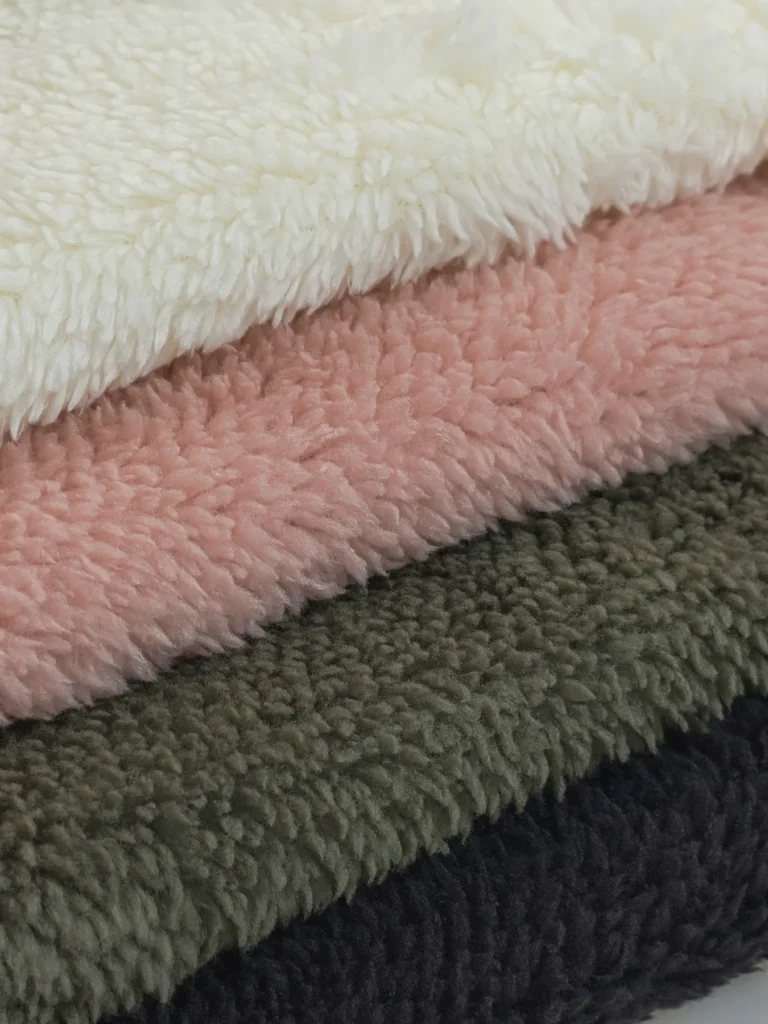
| Sherpa-style or plush fleece | Casual warmwear, lining effects and soft-touch programs | Pile height, shedding risk, bulk, weight and finished appearance |
How to Choose the Right Type
Start with the garment application, not the fabric name. For hoodies, buyers usually compare midweight polar fleece fabric or anti-pill fleece because surface appearance and daily rubbing matter. For jackets, bonded fleece or heavier thermal fabric options may be better if structure and warmth are more important.
For linings, micro fleece can be easier to handle because it is lighter and less bulky. For plush or soft-touch programs, sherpa-style fleece may create the right appearance, but buyers should check pile consistency and shedding risk before moving into bulk production.
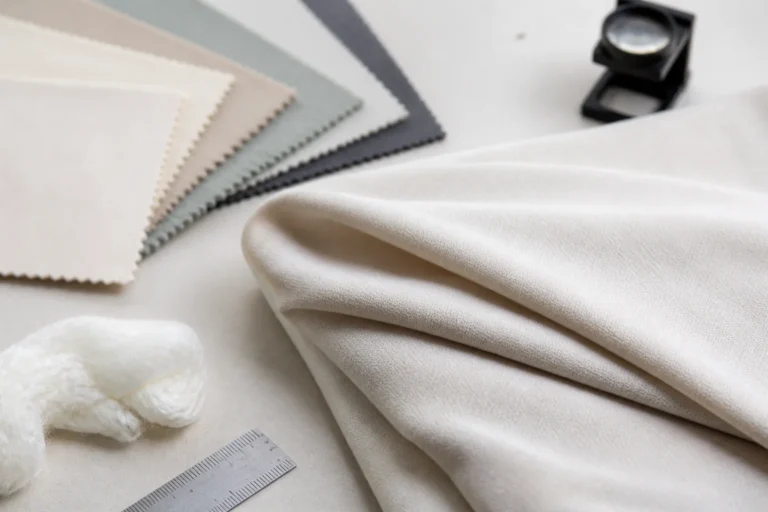
Sample Checklist Before Quoting
- End use: hoodie, jacket, lining, kidswear, blanket or thermal layer
- Target GSM range
- Composition and stretch requirement
- Surface texture and pile height
- Brushing, shearing or anti-pilling finish
- Finished usable width
- Color direction and lab dip needs
- Expected handfeel and bulk
- Sample stage, trial order or bulk context
- Next action: sample, quote or custom development
Common Sourcing Mistake
The most common mistake is comparing two polar fleece prices without matching GSM and finish. A lower price may reflect a lighter fabric, different brushing process or weaker anti-pilling expectation. Buyers should compare samples using the same use case and specification range.
If you are comparing coral fleece, plush fleece and polar fleece for a new program, this coral fleece vs polar fleece guide can help clarify the difference before sample selection.
FAQ
What are the main types of polar fleece?
Common polar fleece types include micro fleece, midweight polar fleece, anti-pill fleece, bonded fleece, stretch fleece and sherpa-style or plush fleece. The right option depends on garment use, GSM, surface texture and finish requirements.
Which polar fleece is best for hoodies?
Midweight polar fleece or anti-pill polar fleece is often suitable for hoodies because buyers usually need a balance of warmth, softness, surface appearance and cost control.
Is micro fleece the same as polar fleece?
Micro fleece is a lighter and finer type within the fleece family. It is often used for linings, lightweight warm layers and garments where low bulk is important.
When should buyers choose bonded fleece?
Bonded fleece can be useful for warmer jackets or structured garments where extra body, backing or wind resistance is needed. Buyers should check bonding quality, stretch and seam behavior on the sample.
What specs should buyers send before asking for a quote?
Buyers should send end use, target GSM, composition, width, finish expectation, texture requirement, color direction and whether they need a sample, quote or custom development.
Request a Polar Fleece Sample Discussion
Share your garment use, target GSM, handfeel and finish requirement with WellDoneTex to request a sample discussion. You can also review our broader fabric range for related knit and fleece options.
{ “@context”: “https://schema.org”, “@type”: “FAQPage”, “mainEntity”: [ { “@type”: “Question”, “name”: “What are the main types of polar fleece?”, “acceptedAnswer”: { “@type”: “Answer”, “text”: “Common polar fleece types include micro fleece, midweight polar fleece, anti-pill fleece, bonded fleece, stretch fleece and sherpa-style or plush fleece. The right option depends on garment use, GSM, surface texture and finish requirements.” } }, { “@type”: “Question”, “name”: “Which polar fleece is best for hoodies?”, “acceptedAnswer”: { “@type”: “Answer”, “text”: “Midweight polar fleece or anti-pill polar fleece is often suitable for hoodies because buyers usually need a balance of warmth, softness, surface appearance and cost control.” } }, { “@type”: “Question”, “name”: “Is micro fleece the same as polar fleece?”, “acceptedAnswer”: { “@type”: “Answer”, “text”: “Micro fleece is a lighter and finer type within the fleece family. It is often used for linings, lightweight warm layers and garments where low bulk is important.” } }, { “@type”: “Question”, “name”: “When should buyers choose bonded fleece?”, “acceptedAnswer”: { “@type”: “Answer”, “text”: “Bonded fleece can be useful for warmer jackets or structured garments where extra body, backing or wind resistance is needed. Buyers should check bonding quality, stretch and seam behavior on the sample.” } }, { “@type”: “Question”, “name”: “What specs should buyers send before asking for a quote?”, “acceptedAnswer”: { “@type”: “Answer”, “text”: “Buyers should send end use, target GSM, composition, width, finish expectation, texture requirement, color direction and whether they need a sample, quote or custom development.” } } ] }